
theIAShub
24 Jul, 2025
Article List
- Suicides Cases among Students
- SAARC: China Ascendency and India’s Role
- Plastic Industry: A Global Concern
- Gaza Hunger Crisis
- Nano-Sensor Device For Infection Detection
- Vice President
- Financial Inclusion Index (FI-Index): Significant rise in Financial Inclusion
- Vitamin D: Interlinking with Health of Neo-Natals
- Asian Development Bank (ADB)
- Karenia Mikimotoi
- Ashokan Pillar: India Unveils the Replica of Ancient Heritage
- Lantana Camara
1. Suicides Cases among Students
Context
- Recently, the Union Minister of State for Education presented in response to a written question in Parliament, highlighting student suicides in India.
Students Suicide In India
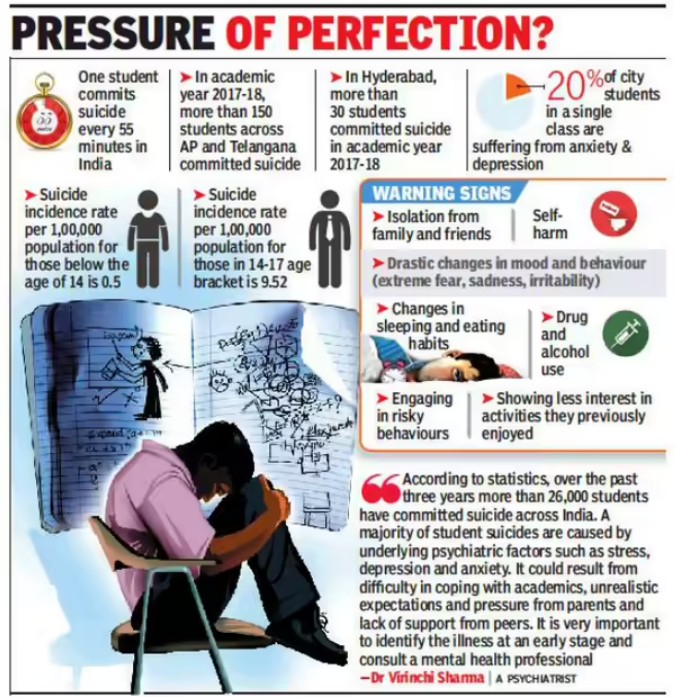
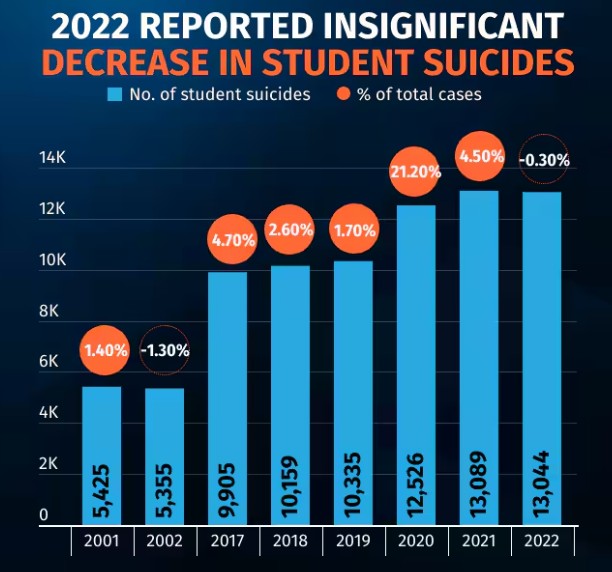
- According to the NCRB’s Accidental Deaths and Suicides in India (ADSI) Report, 7.6% of total suicides in 2022 were by students, 2,248 student suicides were directly attributed to exam failure.
- It marks a slight decline from 8.0% in 2021 and 8.2% in 2020.
- Gender-wise: Male student suicides are higher than female student suicides.
- Most affected 3 States: Maharashtra, Tamil Nadu, and Madhya Pradesh.
Factors Responsible for the Issue
- Individual vulnerabilities: Low self-esteem, impulsivity, trauma histories, history of physical or sexual abuse, and learning and intellectual disability.
- Family Pressures: Over-anxious and over-ambitious parents, dysfunctional family, criticisms, comparisons with peers and lack of support in the family, alcoholism, violence, psychological and economic problems in the family increases suicidal risk.
- Systemic flaws: One-point evaluation, media hype around results, and lack of career guidance.
- Institutional stressors: Pressure on teachers and students to achieve 100% pass rates.
Key Initiatives
- Tele-MANAS Programme: A national tele-mental health helpline (dial 14416), with over 1.36 million calls handled across 42 centers in 31 states & UTs .
- District Mental Health Programme (DMHP): Offers suicide prevention services and life skills training in schools.
- National Suicide Prevention Strategy (NSPS): Aims to reduce suicide rates by 10% by 2030 through media sensitization, healthcare strengthening, and limiting access to lethal means.
- Manodarpan Programme: A flagship initiative by the Ministry of Education offering psychological support through helplines and live sessions.
- It has reached lakhs of students across the country.
- Anti-Drug Campaigns: Recognizing addiction as a rising issue among youth, the Centre has intensified outreach efforts alongside mental health support.
- UGC Advisories: Urges higher education institutions to prioritize physical fitness, emotional well-being, and student welfare.
- Stress Management Workshops: Institutions like IIT-Madras, IIT-Delhi, and IIT-Guwahati have begun conducting resilience-building sessions under the Malaviya Mission Teacher Training Programme.
Way Ahead
- The Ministry of Education is drafting legislation to establish the Higher Education Commission of India (HECI) — a unified regulatory body aimed at improving governance and transparency in higher education.
- It aligns with the National Education Policy (NEP) 2020, which advocates for a ‘light but tight’ regulatory framework.
- Currently, higher education oversight is fragmented:
- UGC: Non-technical education
- AICTE: Technical institutions
- NCTE: Teacher education
- HECI aims to integrate these functions under a single regulator, building on a 2018 draft bill that proposed repealing the UGC Act.
2. SAARC: China Ascendency and India’s Role
Context
- The rise of China in South Asia reflects and demands India’s Increasing role in SAARC regional Cooperation.
About SAARC
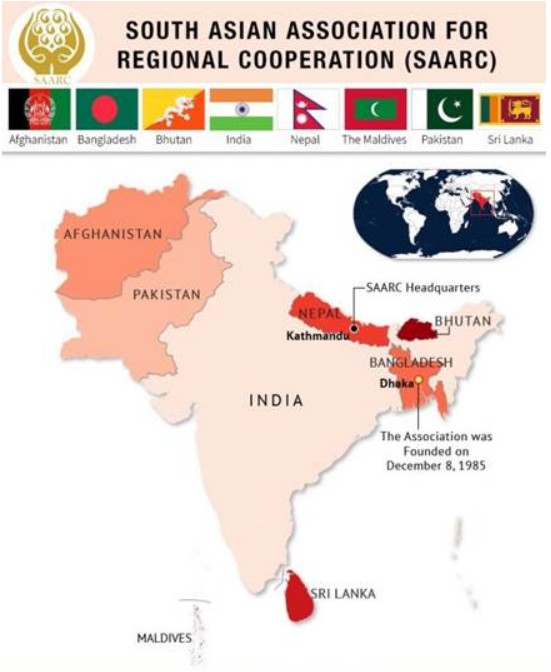
- The South Asian Association for Regional Cooperation (SAARC) was established on December 8, 1985.
- SAARC is an economic and political regional organisation of countries in South Asia.
- The Secretariat of the Association was set up in Kathmandu, Nepal, in January 1987.
- SAARC has eight member countries — Afghanistan, Bangladesh, Bhutan, India, Maldives, Nepal, Pakistan and Sri Lanka.
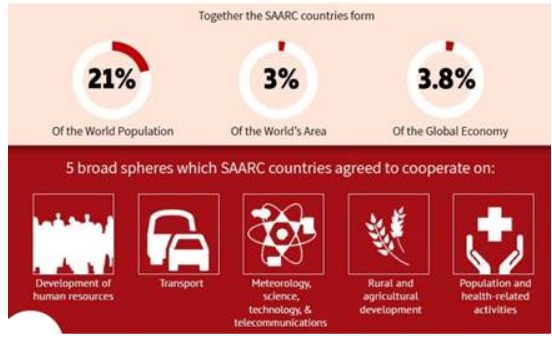
- SAARC aims to accelerate the process of economic and social development in its member states through increased intra-regional cooperation.
Objective of SAARC
- The organisation's primary purpose was to build collective selfreliance, promote socio-economic development of member states, and cooperation and mutual assistance in several sectors and with other regional and international organisations like the Association of Southeast Asian Nations (ASEAN) and the European Union (EU).
Concerns associated with SAARC Group
- BRI Dominance: Massive Belt and Road Initiative (BRI) investments bind the region economically and strategically to China (e.g., CPEC in Pakistan, Hambantota/Mattala in Sri Lanka, infrastructure in Nepal, Maldives, Bangladesh).
- "SAARC Minus India" Strategy: China promotes a vision of South Asian regionalism that excludes India, aiming to position itself as the primary external power broker. It actively courts other SAARC members bilaterally and multilaterally without India.
Why is BIMSTEC NOT a Viable Replacement for SAARC?
- Geographical Exclusion: BIMSTEC excludes Afghanistan and Pakistan, failing to encompass the entire South Asian strategic space. Afghanistan's stability is crucial for India, and Pakistan remains a key neighbor.
- China's Encroachment: China is actively seeking membership or enhanced engagement within BIMSTEC (e.g., strong ties with Myanmar, Thailand; lobbying for entry). Its dominance within BIMSTEC is a distinct possibility.
- Institutional Weakness: BIMSTEC lacks SAARC's established charter, secretariat depth, and history of regional cooperation frameworks. It faces its own implementation hurdles.
- Complementary, Not Substitute: BIMSTEC can be useful for subregional Bay of Bengal cooperation but cannot replicate SAARC's role as the primary and comprehensive South Asian regional body.
Major Reason Behind SAARC Failures
- SAARC has utterly failed to achieve the majority of its goals. The world's most impoverished and least integrated region is still South Asia.
- When compared to other regions like the ASEAN and SubSaharan Africa, South Asia's intraregional trade and investment are quite low.
- Within SAARC, Pakistan has taken an obstructive stance. It frequently obstructs important initiatives like the motor vehicles agreement, which is meant to improve regional connections. Things have gotten worse as India and Pakistan's enmity has grown. Since 2014, there have been no SAARC summits, thus killing the organisation.
- Deepening hostility between India and Pakistan has made matters worse. Since 2014, no SAARC summit has taken place leaving the organisation rudderless, and practically dead.
India's Imperative need for Revive and Lead SAARC
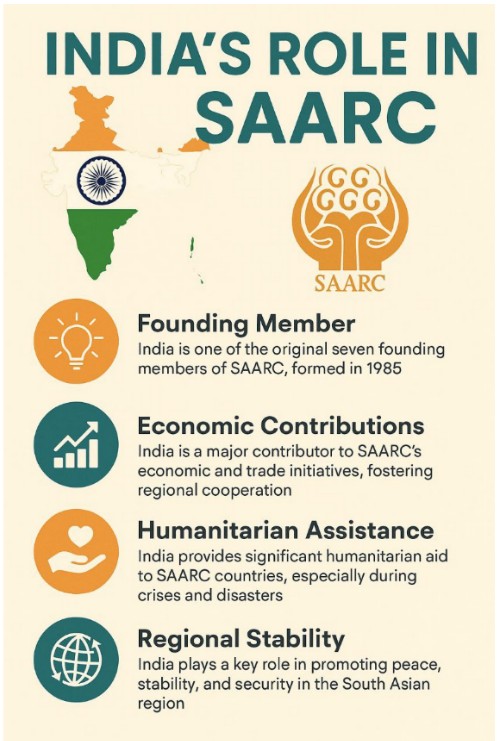
- Non-Negotiable Platform: SAARC remains the essential vehicle for South Asian regionalism. India must recommit to it strategically.
- Focus on non-controversial areas (climate change, disaster management, pandemics, trade facilitation where possible).
- Promote sub-regional cooperation within the SAARC framework (e.g., BBIN - Bangladesh, Bhutan, India, Nepal). Engage robustly with other members bilaterally to build consensus and isolate Pakistani intransigence.
- Demonstrate Commitment: India must signal unequivocally that SAARC is its top regional priority, investing political capital and resources to make it functional.
- Parallel BIMSTEC Development: Continue strengthening BIMSTEC for Bay of Bengal cooperation, but clearly position it as complementary to, not a replacement for, SAARC.
3. Plastic Industry: A Global Concern
Context
- The plastic industry has come under renewed scrutiny for allegedly deploying tactics to influence environmental policy in its favour, particularly during global treaty negotiations on plastic pollution.
About
- Reports and investigations indicate that the industry, backed by powerful fossil fuel interests, has employed tactics strikingly similar to those once used by the tobacco industry: sowing public doubt, delaying regulation, and manipulating narratives to shift responsibility from corporations to consumers.
- These strategies are gaining prominence as governments globally attempt to tighten controls on plastic production and waste, particularly through the formulation of a potential UN treaty on plastic pollution.
Environmental Concerns
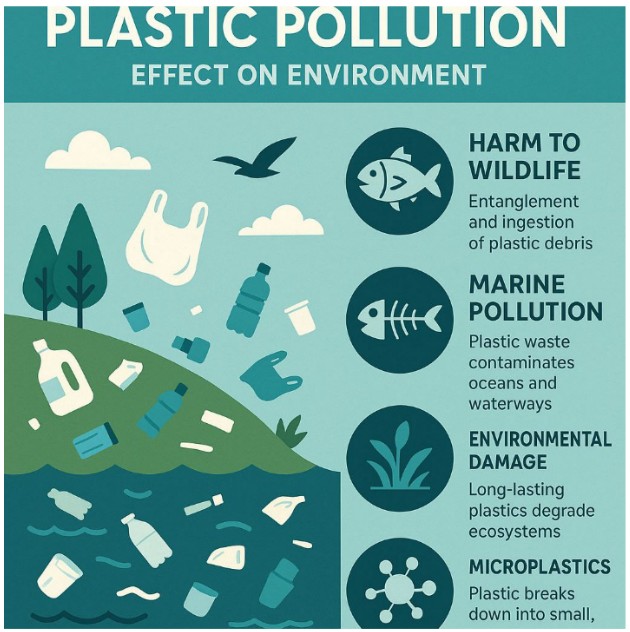
- Pollution: Single-use plastics and mismanaged waste have led to severe marine and terrestrial pollution threatening sustainable development and Marine Environment.
- Carbon Footprint: Plastics are fossil fuel-derived, contributing significantly to greenhouse gas emissions throughout their lifecycle.
- Non-Biodegradability: Plastics can persist for hundreds of years, clogging waterways, harming wildlife, and affecting agriculture.
Tobacco Industry Playbook: Its Echoes
- Shifting Responsibility to Consumers
- While tobacco ads famously carried disclaimers like “Smoking is injurious to health”, even as they promoted smoking, the plastic industry blames consumers for not recycling effectively, thereby sidestepping the industry’s responsibility in creating unsustainable plastic systems.
- Greenwashing and Mislabelling
- Much like “light” cigarettes falsely marketed as healthier, today’s biodegradable and compostable plastics often fail to break down as claimed, especially in India’s underdeveloped waste management systems.
- Corporate greenwashing further distorts consumer understanding and weakens public demand for accountability.
- One prominent example was Coca-Cola, which, despite promoting its sustainability image, quietly dropped its target of 25% reusable packaging by 2030 and backtracked on key recycling goals.
Influence on Environmental Policy Making
- Policy Resistance from the Industry
- Lobbying Power: The plastic and petrochemical industries are influential lobbyists, often opposing stringent environmental regulations that threaten profits which has a effect on Ruling Governments
- Framing and Greenwashing: Big Companies may promote recycling as a primary solution to avoid bans or restrictions, despite its limited effectiveness.
- Funding Research: Industry-funded studies sometimes downplay environmental risks or shift blame to consumer behavior rather than production practices.
India’s Landscape on Plastic Pollution
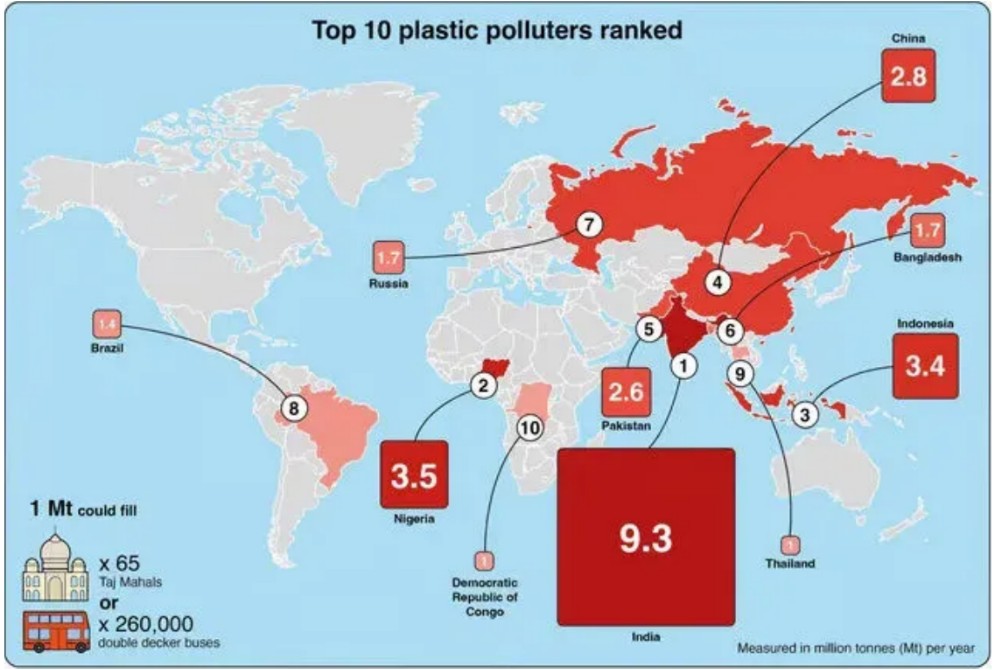
- India has emerged as the world’s top plastic polluter, releasing 9.3 Mt of plastic annually and amounting to roughly one-fifth of global plastic emissions.
- Plastic emissions are greenhouse gases (GHGs) released throughout the life cycle of plastic, from production to disposal.
- While India’s official plastic waste generation rate (which is about 0.12 kilograms per capita per day) is likely underestimated, waste collection figures are inflated.
Efforts to Reduce Plastic Pollution
- India – The Plastic Waste Management Amendment Rules (2021):
- In 2022, India brought into effect the Plastic Waste Management Amendment Rules (2021) that banned 19 categories of ‘single-use plastics’ – disposable goods that are made with plastic but are generally use-and-throw.
- Plastic Waste Management (Amendment) Rules, 2022, has introduced the guidelines on Extended Producer Responsibility (EPR) for plastic packaging.
- India is a signatory to MARPOL (International Convention on Prevention of Marine Pollution).
- The “India Plastic Challenge – Hackathon” has been launched as a unique competition calling upon start-ups /entrepreneurs and students of Higher Education Institutions (HEIs) to develop innovative solutions to mitigate plastic pollution and develop alternatives to single-use plastics.
- Prakriti & Green Initiatives for Effective Plastic Waste Management.
- The Union Ministry of Environment has launched Mascot ‘Prakriti’ to spread awareness about small changes that can be sustainably adopted in the lifestyle for a better environment for plastic pollution.
Industry Lobbying in Global Negotiations
- Recent rounds of the UN Intergovernmental Negotiating Committee (INC) for a global plastics treaty have been notably influenced by industry lobbying.
- At INC-3, fossil fuel and chemical industry lobbyists outnumbered their previous participation by 36%
- Civil society groups raised concerns about industry-backed delegates slowing down progress on binding commitments
- Internal documents and reports from the Centre for Climate Integrity and Centre for International Environmental Law (CIEL) have exposed how the plastic industry has long known the inadequacy of recycling as a solution but continued to promote it to avoid scrutiny.
4. Gaza Hunger Crisis
Context
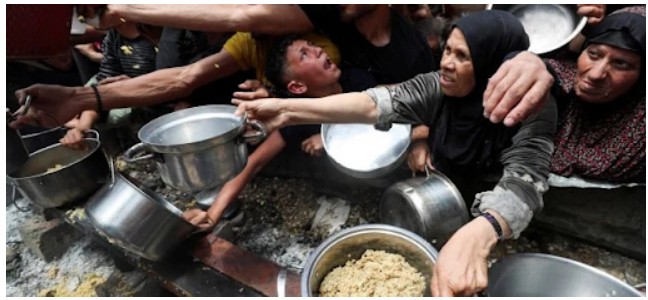
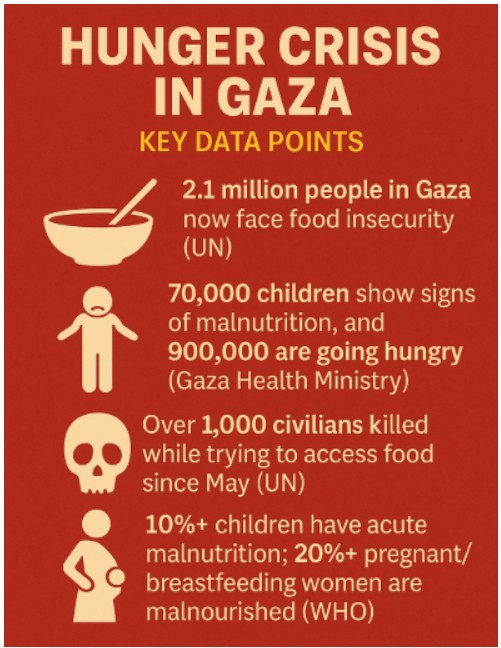
- The Gaza hunger crisis has escalated, with over 2 million people now food insecure and dozens dying from starvation, as confirmed by Palestinian and UN agencies.
- WHO has called this a “man-made mass starvation”, exacerbated by aid blockades and attacks near food distribution points.
About Gaza Hunger Crisis
- A severe man-made hunger crisis unfolding in Gaza due to ongoing military conflict, blockade of aid, and collapse of humanitarian supply chains.
Implications and Consequences
- Child Starvation cases are overwhelming Gaza’s remaining hospitals — skeletal children share limited beds.
- Thousands face severe hunger and malnutrition, exacerbated by a shortage of clean water.
- Israeli policies suggest using starvation as leverage against Hamas, a breach of international law under the Geneva Conventions.
- UN and WHO warn of systematic starvation, breaching international humanitarian law.
- Socio-political collapse as famine intersects with health, security, and human rights violations.
International Response
- Calls for Israel to establish humanitarian corridors have come from the US, Canada, and European allies.
- Despite these calls, Israel announced an "intensified" offensive, complicating ceasefire efforts.
Blockade effect on AID agencies
- UNRWA, with 12,000 staff in Gaza struggles to deliver food, healthcare, and shelter. Israel’s restrictions, including half-empty trucks to pass inspections, reduce aid volume.
- UNRWA’s warehouses in Amman, just three hours from Gaza, hold supplies for 200,000 people, but Israel’s restrictions prevent delivery. Looting due to desperation and insecurity further disrupts aid.
- Gaza is the world’s most dangerous place for aid workers. Since October 2023, over 400 aid workers, including 300 UNRWA staff, have died in Israeli attacks. Aid workers face the same hunger and loss as civilians.
Role of India and other countries
- Countries like India, which support multilateralism, must advocate for international law, including decisions by the International Court of Justice (ICJ) and UN General Assembly.
- The ICJ orders Israel to prevent genocide and ensure aid access, but Israel defies this. India can push for a ceasefire, hostage release, and unhindered aid to avert famine.
5. Nano-Sensor Device For Infection Detection
Context
- Recently, researchers at the National Institute of Technology (NIT) Calicut have developed a portable and cost-effective nano-sensor device that can rapidly detect life-threatening infections like sepsis within minutes at the patient's bedside.
About Nano-Sensor Device
- 8 sensor models developed, 7 using electrochemical detection and 1 using optical detection.
- Use of Functionalized Nanomaterials: Gold atomic clusters or nanoparticles, CuO & Cu nanoclusters Molybdenum disulfide (MoS2), Reduced graphene oxide and Carbon nanotubes (CNTs).
- Detection Mechanism: Selective detection of Lipopolysaccharide (LPS) using: LPS-binding aptamers or Polymyxin B.
- Successfully detected endotoxin in: Whole blood, Pharmaceutical samples (e.g., Biphasic isophane insulin) & Fruit juices (e.g., grape juice)
- Endotoxin recovery showed <2% error.
- Two electrochemical platforms also enabled detection of Gram-negative bacteria (E. coli) in water samples.
- Core of a portable diagnostic device for rapid endotoxin detection.
Key Features
- User-Friendly Interface: Operates via an Android smartphone.
- Quick Results: Detects infections in blood serum or juice samples within 10 minutes.
- High Accuracy: Less than 2% error margin across varied samples (including insulin and fruit juices).
- Strong Selectivity: Employs aptamers or polymyxin B for specific binding to endotoxins.
About Sepsis
- A critical and potentially fatal condition caused by infections, particularly those from Gram-negative bacteria.
- High Risk: If left undiagnosed or untreated, sepsis can rapidly lead to multiple organ failure, septic shock, and even death. •
- Urgency in Detection: Early identification of these biomarkers is essential for initiating timely treatment and significantly improving patient survival rates.
6. Vice President
Context
- Recently, following the resignation of the Vice President of India, the Election Commission of India (ECI) has initiated the process for electing a new Vice President.
About Vice President of India
- Elected by an Electoral College comprising members of both Houses of Parliament (Lok Sabha and Rajya Sabha).
- The election follows the system of proportional representation through the single transferable vote, and voting is conducted by secret ballot.
- Electoral College Composition: Unlike the presidential election, which includes elected members of Parliament and State Legislative Assemblies, the Vice President is elected only by MPs-both elected and nominated members of Lok Sabha and Rajya Sabha.
- Eligibility Criteria: To contest the election for Vice President, a person must: Be a citizen of India.
- Be at least 35 years of age
- Be qualified for election as a member of the Rajya Sabha (Council of States)
- Not hold any office of profit under the Government of India, State Government, or any local/subordinate authority.
Tenure
- 5 years from the date of assuming charge.
Conduct of the Election
- The Secretary-General of either House of Parliament is usually appointed as the Returning Officer, on a rotational basis.
- Candidate must be nominated by at least 20 MPs as proposers & 20 MPs as seconders.
- A security deposit of *15,000 is required to contest the election.
7. Financial Inclusion Index (FI-Index): Significant rise in Financial Inclusion
Context
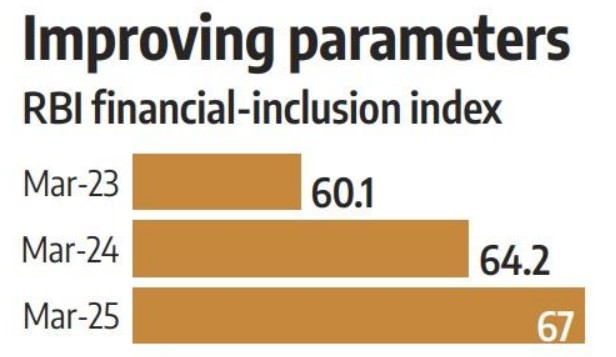
- Recently, the Reserve Bank of India (RBI) released the latest Financial Inclusion Index (FI-Index), indicating a significant rise from 64.2 in March 2024 to 67 in March 2025.
About Fl-Index
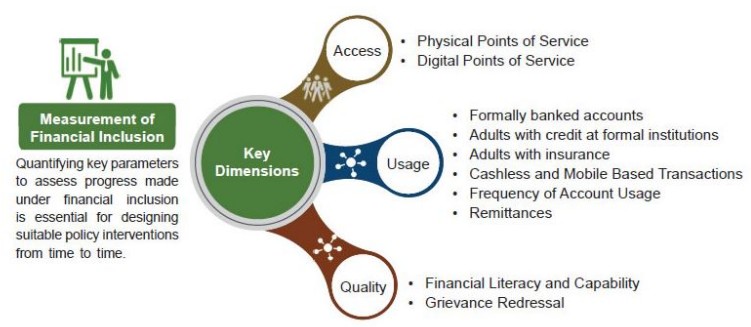
- A comprehensive metric developed by the RBI in consultation with the government and sectoral regulators, measuring the extent of access, usage, and quality of financial services.
Coverage
- Incorporates data from banking, insurance, investments, pensions, and postal services, offering a broad view of financial accessibility and inclusion.
Index Scale
- Ranges from 0 to 100, where: 0 represents complete exclusion, and 100 indicates full inclusion.
Structure and Weights
- Access 35%, Usage 45% and Quality 20%
- The index uses a total of 97 indicators to compute these dimensions.
Unique Feature
- Financial literacy
- Consumer protection
- Service deficiencies and inequalities
No Base Year
- The Fl-Index reflects the cumulative progress of financial inclusion over time rather than changes from a fixed starting point.
8. Vitamin D: Interlinking with Health of Neo-Natals
Context
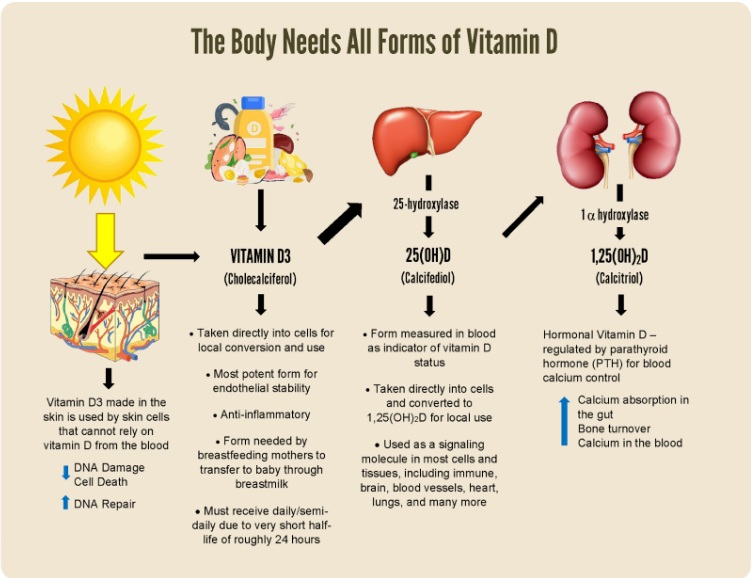
- Recently, a landmark study published in The Lancet Psychiatry has revealed a strong association between neonatal vitamin D levels and the risk of neurodevelopmental disorders.
- Based on a comprehensive Danish dataset of nearly 89,000 individuals, the study highlights that vitamin D deficiency at birth may impact not only bone health but also brain development, an insight with significant implications for countries like India.
Key Highlights
- Higher neonatal vitamin D levels were linked to lower risks of: Schizophrenia (18% lower risk), ADHD (11% lower risk) and Autism Spectrum Disorder (7% lower risk)
Methods to Test Causality
- Polygenic Risk Score (PRS): Individuals with genetic predisposition for higher vitamin D had lower risk of neurodevelopmental disorders. Helped rule out reverse causation (i.e., mental illness causing low vitamin D).
- Mendelian Randomisation (MR): Used genetic variants linked to vitamin D to suggest causal relationship with lower risk of ADHD, schizophrenia, and possibly autism. Limitations due to pleiotropy and genetic overlap acknowledged.
Relevance for India
- AlIMS Rishikesh study: 74% of infants and 85.5% of mothers were vitamin D deficient
- Bengaluru study: 92.1% of newborns had deficiency
- Bundelkhand study: Strong correlation between maternal and infant vitamin D levels.
9. Asian Development Bank (ADB)
Context
- Recently, the Asian Development Bank (ADB) in its Asian Development Outlook (ADO) released on July 23, 2025, revised India's GDP growth forecast for FY26 to 6.5%, down from the earlier estimate of 6.7%.
About ADB
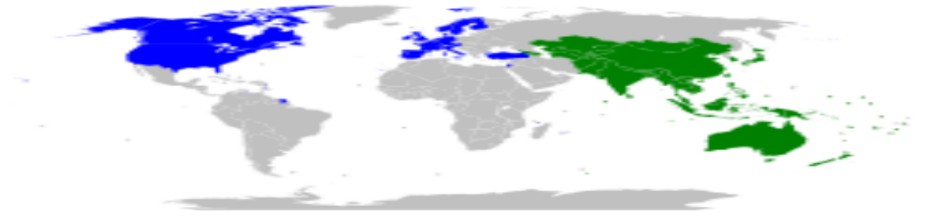
- Established on December 19, 1966 and a Multilateral development bank.
- Primary Role: Serves as the leading international development finance institution for the Asia-Pacific region;
- Headquarters: Manila, Philippines
- Vision: To build a prosperous, inclusive, resilient, and sustainable Asia and the Pacific, with a continued focus on eradicating extreme poverty.
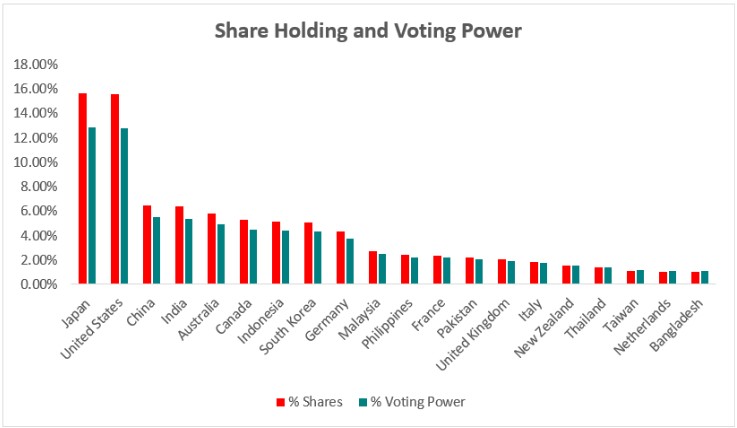
- India's Role: India is the largest recipient of ADB's financial commitments among developing member countries, accounting for 14%, followed by China, Bangladesh, the Philippines, and Pakistan.
- Key Priority Areas: Focuses on six core sectors aligned with the UN SDGs: Education, Health, Transport, Energy, Finance and Climate Change
10. Karenia Mikimotoi
Context
- Recently, a severe bloom of Karenia mikimotoi, a toxic red-tide algae, has impacted South Australia's coastal waters, causing mass deaths of marine species and severely disrupting the local fishing and tourism industries.
About Karenia Mikimotoi
- A common red-tide forming dinoflagellate, especially prevalent in the eastern North Atlantic and around Japan.
- It produces hemolytic and ichthyotoxic compounds, which are lethal to marine life, including fish, shellfish, crustaceans, and echinoderms. Ο
- Though not directly harmful to humans, its blooms can lead to massive marine die-offs.
- As large populations die off, bacterial decomposition can create anoxic conditions, further stressing aquatic ecosystems.
- It is considered less toxic compared to other harmful algal species but is more widespread, with blooms recorded in Ireland, Norway, India, Japan, Korea, Australia, South Africa, Alaska, Texas, and the eastern U.S. coast.
Key Characteristics
- This photosynthetic dinoflagellate contains multiple yellow-brown chloroplasts with pyrenoids and a large ellipsoidal nucleus in its left hypothecal lobe.
- It thrives in a wide range of environmental conditions, including varied light, salinity, temperature, and nutrient levels.
11. Ashokan Pillar: India Unveils the Replica of Ancient Heritage
Context
- Recently, India unveiled a replica of the Ashokan Pillar at Waskaduwa Sri Subhuthi Viharaya in Sri Lanka, honoring Emperor Ashoka's historic role in the introduction of Buddhism to the island nation.
About Ashokan Pillars
- Erected during the 3rd century BCE by Emperor Ashoka, following his transformation after the Kalinga War.
- They marked the first architectural expression of Dhamma, serving as moral and political communication tools across India and parts of Asia.
- Constructed from monolithic sandstone, primarily sourced from Chunar and Mathura.
- Each pillar stands about 40-50 feet tall, demonstrating remarkable craftsmanship and precision.
Capitals and Artistic Influences
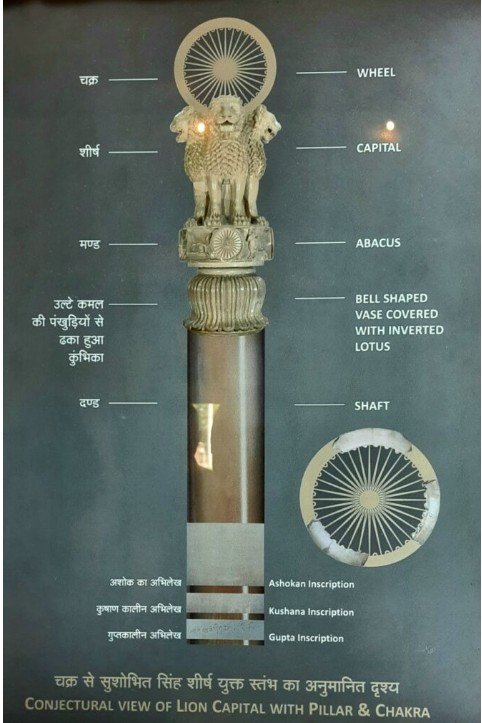
- Most pillars are topped with lotus bases and intricately carved animal capitals, especially lions, symbolizing purity, power, and sovereign dharma.
- The capitals show Persian-Achaemenid artistic influence, but were reinterpreted within a Buddhist moral framework.
- Emblem. The Lion Capital at Sarnath holds special significance, representing both the Shakya clan (Buddha's lineage) and royal authority. It is now adopted as India's National Emblem.
12. Lantana Camara
Context
- Recently, Lantana camara has been reported to infest nearly 3,25,282 hectares of forest land in Himachal Pradesh. Originally introduced as an ornamental plant, it now poses a serious threat to the region's native biodiversity.
About Lantana Camara
- An invasive alien species. Native to tropical and subtropical regions of Central and South America. Introduced in India in the early 18th century as an ornamental plant.
Spread and Growth
- A pantropical weed that spreads aggressively and formsa dense mesh of bushes, suppressing native vegetation. Gradually infesting higher elevations from lower regions.
Ecological Impact
- Produces allelochemicals that inhibit the growth of other plant species under its canopy. Leads to homogeneous vegetation, replacing native flora.
Utilisation
- Biomass can be used for furniture making, fuelwood, and handicrafts
- Can be processed into organic compost and vermicompost, offering an eco-friendly alternative to chemical fertilizers
- Promoting economic use of Lantana can support control efforts while creating livelihood opportunities.

2026-27 UPSC Mains English QEP Power Pages
View DetailsSubmit Your Details to Learn More



