
















Explore The Complete List Of 18 Biosphere Reserves In India 2025 With State-Wise Details. Know The First And Smallest Biosphere Reserves Recognized Under UNESCO MAB Programme.
 theIAShub | 14 Apr, 2025 | 22635 | 0 |

Biosphere Reserves in India are designated areas that protect natural ecosystems while promoting sustainable human development. These reserves are recognized under UNESCO’s Man and Biosphere (MAB) Programme, ensuring a balance between conservation and livelihood needs. Currently, India has 18 Biosphere Reserves, each contributing to biodiversity conservation and research.
In this article we will provide a comprehensive overview, covering all Biosphere Reserves in India, their objectives, benefits, and key details about the first and smallest reserves.
Also Read: National Parks In India
Biosphere Reserves are large areas that include terrestrial, marine, and coastal ecosystems. They serve as protected regions where conservation efforts are integrated with sustainable human activities. These reserves aim to:
As of 2025, India has 18 Biosphere Reserves. Out of these, 12 are recognized under UNESCO’s World Network of Biosphere Reserves (WNBR). These reserves cover diverse ecological zones, from the Himalayas to coastal and desert regions.
The Man and Biosphere (MAB) Programme, launched by UNESCO in 1971, promotes conservation, sustainable development, and research. India follows this program to protect its biodiversity while ensuring economic growth.
India has a rich and diverse natural heritage with unique ecosystems and a wide variety of plants and animals. To protect these valuable resources and support sustainable living, the country has set up 18 Biosphere Reserves.
These reserves, recognized under UNESCO’s Man and Biosphere (MAB) Programme, provide safe habitats for endangered species and help protect different ecosystems. From the Nilgiri Biosphere Reserve in the south to the Nanda Devi Biosphere Reserve in the north, each plays an important role in conserving nature. Below is the list of Biosphere Reserves in India.
Here is the complete list of all Biosphere Reserves in India, including their year of establishment, states covered, and key species protected.
| Year | Biosphere Reserve | State(s) | Key Species | Area (km²) |
| 1986 | Nilgiri | Tamil Nadu, Karnataka, Kerala | Nilgiri Tahr, Tiger | 5,520 |
| 1988 | Nanda Devi | Uttarakhand | Snow Leopard, Musk Deer | 5,860 |
| 1988 | Nokrek | Meghalaya | Red Panda, Hoolock Gibbon | 820 |
| 1989 | Gulf of Mannar | Tamil Nadu | Dugong, Olive Ridley Turtle | 10,500 |
| 1989 | Sundarbans | West Bengal | Royal Bengal Tiger | 9,630 |
| 1989 | Manas | Assam | Asiatic Elephant, Golden Langur | 2,837 |
| 1989 | Great Nicobar | Andaman & Nicobar | Saltwater Crocodile, Nicobar Megapode | 885 |
| 1994 | Simlipal | Odisha | Gaur, Tiger, Elephant | 4,374 |
| 1998 | Dihang-Dibang | Arunachal Pradesh | Takin, Red Panda | 5,112 |
| 1997 | Dibru-Saikhowa | Assam | Gangetic Dolphin, Bengal Tiger | 765 |
| 1999 | Pachmarhi | Madhya Pradesh | Indian Giant Squirrel | 4,981 |
| 2000 | Khangchendzonga | Sikkim | Red Panda, Snow Leopard | 2,620 |
| 2001 | Agasthyamalai | Kerala, Tamil Nadu | Nilgiri Tahr, Elephant | 3,500 |
| 2005 | Achanakmar-Amarkantak | Madhya Pradesh, Chhattisgarh | Wild Dog, Sarus Crane | 3,835 |
| 2008 | Great Rann of Kutch | Gujarat | Indian Wild Ass | 12,454 |
| 2009 | Cold Desert | Himachal Pradesh | Snow Leopard | 7,770 |
| 2010 | Seshachalam Hills | Andhra Pradesh | Slender Loris | 4,755 |
| 2011 | Panna | Madhya Pradesh | Bengal Tiger, Chinkara | 2,998 |
The first Biosphere Reserve in India was Nilgiri Biosphere Reserve, established in 1986. It spans across Tamil Nadu, Karnataka, and Kerala and is home to unique flora and fauna like the Nilgiri Tahr, Lion-tailed Macaque, and Malabar Giant Squirrel.
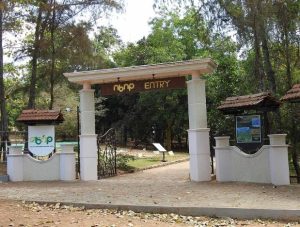
The smallest Biosphere Reserve in India is Nokrek Biosphere Reserve in Meghalaya, covering just 820 km². It is home to the Red Panda, Hoolock Gibbon, and unique citrus plant species.
[metaslider id=”5575″]
Out of the 18 Biosphere Reserves in India, 12 are recognized by UNESCO. These reserves receive global recognition and funding support.
| Name | States/UT | Year |
| Nilgiri Biosphere Reserve | Tamil Nadu, Kerala, Karnataka | 2000 |
| Gulf of Mannar Biosphere Reserve | Tamil Nadu | 2001 |
| Sundarbans Biosphere Reserve | West Bengal | 2001 |
| Nanda Devi Biosphere Reserve | Uttarakhand | 2004 |
| Nokrek Biosphere Reserve | Meghalaya | 2009 |
| Pachmarhi Biosphere Reserve | Madhya Pradesh | 2009 |
| Simlipal Biosphere Reserve | Odisha | 2009 |
| Achanakmar-Amarkantak Biosphere Reserve | Chhattisgarh, Madhya Pradesh | 2012 |
| Great Nicobar Biosphere Reserve | Andaman & Nicobar Islands | 2013 |
| Agasthyamalai Biosphere Reserve | Kerala, Tamil Nadu | 2016 |
| Khangchendzonga National Park | Sikkim | 2018 |
| Panna Biosphere Reserve | Madhya Pradesh | 2020 |
Biosphere Reserves play a crucial role in conserving biodiversity, protecting endangered species, and maintaining ecological balance. They also promote sustainable development by supporting research, education, and local community participation in conservation efforts. Importance of Biosphere Reserves include:
Managing Biosphere Reserves is challenging due to habitat destruction, climate change, and human encroachments. Challenges of managing Biosphere Reserves include:
Biosphere Reserves in India play a crucial role in protecting biodiversity, cultural heritage, and sustainable development. As of 2025, there are 18 Biosphere Reserves, with 12 internationally recognized by UNESCO.
By ensuring a balance between conservation and human needs, these reserves help in protecting the environment while supporting local communities. Strengthening conservation efforts will ensure that these precious ecosystems continue to thrive for future generations.
Are you preparing for UPSC 2025? Join IAShub’s UPSC coaching batches to boost your preparation. Enroll now!
No, Biosphere reserves focus on conservation, sustainable development, and research, while National Parks primarily aim to protect wildlife and ecosystems with minimal human interference.
The first Biosphere reserve in India is the Nilgiri Biosphere Reserve, established in 1986, located in the Western Ghats and spanning Tamil Nadu, Karnataka, and Kerala.
The largest Biosphere reserve in India is the Great Rann of Kutch in Gujarat, covering an area of approximately 12,454 square kilometers.
The smallest Biosphere reserve in India is the Dibru-Saikhowa in Assam, covering an area of about 765 square kilometers.
As of now, there are 18 biosphere reserves in India, recognized for their ecological significance and conservation efforts.
The Nilgiri Biosphere Reserve was included in the UNESCO World Network of Biosphere Reserves in 2000

Refine your answer writing skills and elevate your UPSC preparation with personalized support and expert feedback.
Fill out the form to get started with the program or any other enquiries !



Are you dreaming of becoming an IAS officer? Then, IAShub can be your best guide. It is one of the Best IAS Coaching in Delhi. Many students who want to clear the UPSC exam join IAShub for learning. The institute gives both online and offline classes. Their teachers are experienced and helpful. They easily explain every topic. Students also get notes, tests, and tips to do well in the exam.
IAShub is in Delhi and is trusted by many UPSC students. It offers coaching for every part of the UPSC exam – Prelims, Mains, and Interview. The classes are simple and easy to understand. The teachers are experts and guide students in the right way. IAShub is also known for its helpful notes, test series, and answer-writing practice. IAShub is the best coaching in Delhi and also gives UPSC Online Classes. This helps students from any place in India to learn. The online classes are live and also recorded. So, students can watch them anytime. These classes cover the full UPSC syllabus.
Here are some important services provided by IAShub:
The UPSC Civil Services Exam has three parts:
This exam is tough, but with the right guidance, it becomes easy to manage. Students must study smart and stay regular.
IAShub supports students from the beginning to the end. It gives the right books, tests, and notes. The classes are easy to follow, and the teachers are always ready to help. Students get personal doubt sessions too. The test series and answer checking help students learn where they need to do better. Also, free study materials save time and money.
IAShub also guides students during the final stage – the interview. Experts take mock interviews and give useful tips. This full support makes IAShub one of the best IAS coaching in Delhi.

Join 50,000+ UPSC Aspirants! 🚀
Get Free UPSC/IAS Study Materials, Daily Current Affairs, Editorial Summaries & Exam Updates.
Join Telegram Channel