QEP : Editorial Explainer

UPSC Editorial analysis is an important component of UPSC preparation 2025-26, helping aspirants stay updated with current affairs and develop critical thinking. TheIAShub provides free daily editorial analysis for UPSC CSE 2025-26, offering insights into key topics like governance, economy, and international relations. These daily editorial notes for IAS help candidates enhance their answer writing skills by presenting well-structured arguments. For effective preparation, UPSC current affairs editorial analysis aids in grasping multiple perspectives and refining analytical abilities.

Editorial Explainer December 2024 theIAShub
Download
Editorial explainer October 2024 theIAShub
Download
Editorial Explainer November 2024 theIAShub
Download

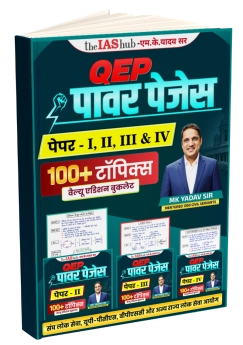
UPSC QEP 2026 Batch 5 - English
Buy now View Details
Submit Your Details to Learn More
I agree to give my consent to receive updates through SMS/Email & WhatsApp*.

NEEV GS + CSAT Foundation 2026/27
Buy now View Details


Daily Editorial Analysis For UPSC 2025 Prelims & Mains

In the journey towards cracking the UPSC Civil Services Exam, candidates are often advised to focus on a wide range of subjects, with current affairs being one of the most critical areas. Editorials from reputable newspapers play a key role in preparing for the current affairs segment of the UPSC exam.

TheIASHub provides daily analysis of the editorials which not only helps candidates build a deeper understanding of contemporary issues but also refines their ability to think critically and express their thoughts clearly in the exam, making it a valuable tool for preparation.

Daily Editorial Analysis For UPSC

Daily editorial analysis is an essential part of UPSC preparation, offering insights into current affairs that align with the exam syllabus. TheIAShub editorials help aspirants stay updated on key national and international issues, such as politics, economics, and social concerns, which are crucial for both Prelims and Mains. TheIASHub editorials enhance critical thinking, allowing candidates to evaluate multiple viewpoints and develop balanced arguments.

Dedicate a specific time every day to read editorials. This routine ensures that you stay updated with the latest developments. It also allows you to absorb the language and argumentation techniques used by experts in their field. By regularly reading editorials, aspirants can significantly improve their writing skills, learning to present well-structured and coherent answers. TheIASHub UPSC study notes and editorial analysis, recommends key steps for effective editorial analysis, including choosing credible sources like The Hindu or The Indian Express, focusing on relevant UPSC topics, and taking concise notes.

Best Editorial Notes

TheIASHub encourages aspirants to link editorial content to the UPSC syllabus, ensuring comprehensive and efficient preparation for both Prelims and Mains. This approach helps candidates develop a deeper understanding of current affairs, integrating them with the core topics outlined in the syllabus. By analyzing editorials through the lens of relevant themes such as polity, economy, environment, and society, aspirants can not only stay updated on important issues but also enhance their critical thinking and analytical skills, which are essential for both the General Studies papers and the Essay paper. Regularly connecting editorials to the syllabus fosters a more holistic view and aids in writing well-rounded, informed answers in the examination.

Editorial Explainer 2024 theIAShub

Editorial Insights For UPSC Preparation

TheIASHub editorials are a crucial resource for UPSC preparation, offering in-depth insights into current affairs that align with the exam syllabus. They help aspirants understand complex issues, develop critical thinking, and improve writing skills by presenting multiple perspectives on topics like politics, economics, and social issues.

Importance of Editorials

Editorials are expert analyses on current events and socio-political issues. For UPSC aspirants, these editorials are invaluable as they provide multiple perspectives on national and international issues. Here's why editorials should be an integral part of your UPSC preparation:

  • Broadens Knowledge: Editorials touch upon a range of topics, from government policies and international relations to social issues and environmental challenges. By reading editorials, you gain a holistic understanding of the issues that shape public discourse and policy.
  • Develops Critical Thinking: Editorials are not just reports of facts but analyses that question, critique, and explore the implications of various issues. This helps you develop a critical mindset, which is essential for the Mains exam, where you are expected to analyze topics in-depth and provide balanced arguments.
  • Improves Answer Writing Skills: The writing style in editorials is typically clear, concise, and argumentative. By reading these articles, you can learn how to structure your answers effectively, express opinions coherently, and present arguments logically – skills crucial for both the Mains and Interview stages.
  • Familiarizes You with the UPSC Syllabus: Editorials often align with the topics mentioned in the UPSC syllabus. By reading them, you are effectively covering key themes from various papers, including General Studies, Essay, and Ethics. Many questions in the Mains exam are inspired by contemporary events, making editorial analysis a direct source of relevant content.

How to Analyze Editorials for UPSC

Effective editorial analysis requires more than just reading the articles. Here’s how to approach them:

  • Understand the Issue: Start by grasping the core issue discussed in the editorial. What is the problem? Why is it significant? What are the various perspectives offered by the writer?
  • Identify Different Opinions: Editorials often present multiple views, including government policies, public opinion, and expert analyses. Understand these viewpoints and assess their pros and cons.
  • Relate to the UPSC Syllabus: Always ask yourself, “How does this editorial relate to the syllabus?” Is it linked to governance, social justice, economic development, or environmental issues? Make connections to key topics in the syllabus.
  • Critique the Arguments: Editorials are opinion-based, so it’s important to evaluate the arguments presented. Are they balanced? Do they cover all relevant aspects of the issue? Can you think of counter-arguments or alternatives to the views presented?

QEP : Editorial Explainer FAQs

TheIASHub editorial analysis offers daily insights on key current affairs, aligning with the UPSC syllabus, and aids aspirants in understanding complex issues, improving critical thinking and writing skills.

By regularly reading TheIASHub’s editorial analysis, aspirants learn structured, concise, and argumentative writing, which is crucial for presenting coherent and well-rounded answers in the UPSC exam.

TheIASHub editorial analysis connects current events with relevant syllabus topics like polity, economy, environment, and social issues, helping candidates stay focused on UPSC-specific themes.

Yes, TheIASHub editorial analysis is designed to strengthen understanding of both static and dynamic parts of the syllabus, benefiting candidates for Prelims fact-based questions and Mains' analytical ones.

Regular editorial reading via TheIASHub keeps aspirants updated with ongoing national and international issues, boosting their general awareness and ability to articulate well-informed arguments during the exam.

Need Assistance? Get in Touch!

Our support team is here to help with your queries. Reach out to us anytime.

theiashub

Email Us:

info@theiashub.com

Contact Us:

+91 95600-82909

*theIAShub is a coaching institute and a study platform, it’s a comprehensive mentorship driven program for UPSC success.*

Contact Us


Best IAS Coaching In Delhi, UPSC Online & Offline Classes by IAShub

Are you dreaming of becoming an IAS officer? Then, IAShub can be your best guide. It is one of the Best IAS Coaching in Delhi. Many students who want to clear the UPSC exam join IAShub for learning. The institute gives both online and offline classes. Their teachers are experienced and helpful. They easily explain every topic. Students also get notes, tests, and tips to do well in the exam.

UPSC Online Classes by IAShub

IAShub is in Delhi and is trusted by many UPSC students. It offers coaching for every part of the UPSC exam – Prelims, Mains, and Interview. The classes are simple and easy to understand. The teachers are experts and guide students in the right way. IAShub is also known for its helpful notes, test series, and answer-writing practice. IAShub is the best coaching in Delhi and also gives UPSC Online Classes. This helps students from any place in India to learn. The online classes are live and also recorded. So, students can watch them anytime. These classes cover the full UPSC syllabus.

Key Offerings Provided by IAShub

Here are some important services provided by IAShub:

  • UPSC Prelims: IAShub teaches for Prelims with a focus on basics. It also gives daily current affairs and monthly magazines.
  • Classroom Courses: IAShub has classroom learning for students in Delhi. The environment is good and peaceful for study.
  • Live Classes: Students who live far can join live UPSC online classes. These classes are just like real classes.
  • QEP for Mains: The Quality Enrichment Program (QEP) is special for Mains preparation. It helps students write better and faster.
  • Answer Writing: Regular answer writing practice is given. Teachers also check answers and give tips to improve.
  • Free Resource: IAShub gives free notes by toppers and helpful Main Booster material.
  • Test Series: Test series are available for every subject. These help students know their weak points and improve.
  • Interview Guidance Session: IAShub also gives interview practice sessions with experts. These help students feel confident.

UPSC Exam Overview

The UPSC Civil Services Exam has three parts:

  • Prelims: It has two papers: General Studies and CSAT.
  • Mains: It has nine papers, including essays and optional subjects.
  • Interview: It tests the personality and confidence of the student.

This exam is tough, but with the right guidance, it becomes easy to manage. Students must study smart and stay regular.

How IAShub Helps in the UPSC Journey

IAShub supports students from the beginning to the end. It gives the right books, tests, and notes. The classes are easy to follow, and the teachers are always ready to help. Students get personal doubt sessions too. The test series and answer checking help students learn where they need to do better. Also, free study materials save time and money.
IAShub also guides students during the final stage – the interview. Experts take mock interviews and give useful tips. This full support makes IAShub one of the best IAS coaching in Delhi.

Best IAS Coaching In Delhi FAQs

Yes, IAShub offers live and recorded online classes. Students can attend from any part of India.

Classes are available in both English and Hindi, so students can choose the language they are comfortable with.

The classroom centre is located in Delhi. Students can visit and join offline batches there.

IAShub gives interview guidance sessions to help students prepare for the final round of UPSC.