
















Explore Major Dams In India 2025 With State-Wise List, Types, Functions, And Their Role In Irrigation, Power Generation, And Flood Control. Know Key Dams Like Tehri And Hirakud.
 theIAShub | 14 Apr, 2025 | 18792 | 0 |

[wpdiscuz-feedback id=”ogxtcvpvvf” question=”Please leave a feedback on this” opened=”0″][/wpdiscuz-feedback]
Dams play a vital role in water management, irrigation, hydroelectric power, and flood control in India. As a country with vast agricultural needs and increasing energy demands, India has constructed numerous dams to store water, generate electricity, and regulate river flow.
In this article we will provide a detailed list of major dams in India, their types, purposes, and significance.
A dam is a barrier built across a river or stream to store, control, and manage water. It creates a reservoir that helps in irrigation, electricity generation, drinking water supply, and flood prevention.
Also Read: Ramsar sites in India
Dams in India are categorized based on structure and material, including arch dams, gravity dams, embankment dams, and barrages. These serve various purposes such as water storage, hydroelectric power generation, and flood control. These are as follows:
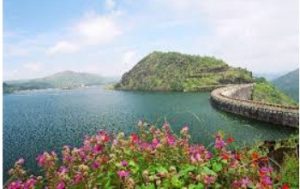
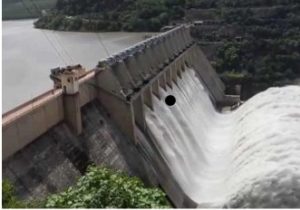
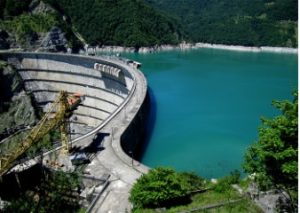
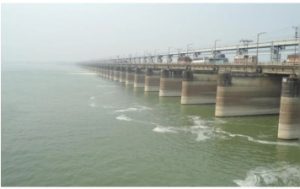
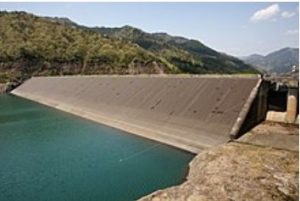
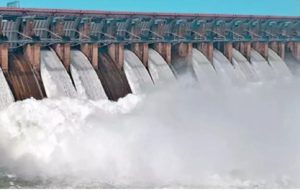
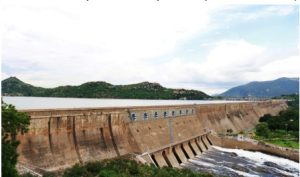
India is home to several major dams that support irrigation, hydroelectric power generation, flood control, and water storage. These dams play a crucial role in regional development and water resource management. Here is a list of major dams in India, along with a brief description of their history and importance:
Also Read: National Parks In India
[metaslider id=”5575″]
India has numerous dams that are vital for irrigation, water supply, hydroelectric power generation, and flood control. The country’s varied topography has enabled dam construction across different states, supporting agricultural and industrial growth. Below is a state-wise list of major dams in India.
| State | Major Dams |
| Andhra Pradesh | Nagarjuna Sagar Dam, Srisailam Dam, Pulichintala Dam, Somasila Dam, Prakasam Barrage |
| Arunachal Pradesh | Subansiri Lower Dam, Dibang Dam, Ranganadi Dam, Kameng Dam |
| Assam | Karbi Langpi Dam, Kopili Dam, Subansiri Dam |
| Bihar | Koshi Barrage, Farakka Barrage, Supaul Barrage, Bagmati Barrage |
| Chhattisgarh | Indravati Dam, Hasdeo Bango Dam, Dudhawa Dam, Murrum Silli Dam |
| Gujarat | Sardar Sarovar Dam, Ukai Dam, Dantiwada Dam, Kadana Dam, Dharoi Dam |
| Himachal Pradesh | Bhakra Dam, Pandoh Dam, Chamera Dam, Nathpa Jhakri Dam, Pong Dam |
| Jammu and Kashmir | Baglihar Dam, Salal Dam, Uri-II Dam, Dulhasti Dam |
| Karnataka | Almatti Dam, Tungabhadra Dam, Krishnarajasagar Dam, Linganamakki Dam, Supa Dam |
| Kerala | Idukki Dam, Mullaperiyar Dam, Malampuzha Dam, Periyar Dam |
| Madhya Pradesh | Bargi Dam, Indira Sagar Dam, Omkareshwar Dam, Tawa Dam, Gandhi Sagar Dam |
| Maharashtra | Koyna Dam, Jayakwadi Dam, Bhandardara Dam, Wilson Dam, Vaitarna Dam |
| Odisha | Hirakud Dam, Rengali Dam, Upper Kolab Dam, Mandira Dam, Balimela Dam |
| Punjab | Bhakra Dam, Ranjit Sagar Dam, Harike Barrage, Hussainiwala Barrage |
| Rajasthan | Rana Pratap Sagar Dam, Jawai Dam, Mahi Dam, Bisalpur Dam |
| Tamil Nadu | Mettur Dam, Mullaperiyar Dam, Vaigai Dam, Parambikulam Aliyar Project (PAP) Dam |
| Telangana | Nagarjuna Sagar Dam, Srisailam Dam, Sriram Sagar Dam, Singur Dam, Lower Manair Dam |
| Uttar Pradesh | Tehri Dam, Rihand Dam, Matatila Dam, Kanpur Barrage, Obra Dam |
| Uttarakhand | Tehri Dam, Ramganga Dam, Dharasu Dam, Maneri Dam |
| West Bengal | Farakka Barrage, Maithon Dam, Panchet Dam, Tilaiya Dam, Konar Dam |
India’s major dams significantly contribute to resource management, energy generation, and regional development, benefiting both people and the environment. Dams are essential for India’s water management and development, offering multiple benefits:
Dams in India are essential for water conservation, irrigation, energy production, and flood control. From the oldest Kallanai Dam to the largest Tehri Dam, each structure contributes to the nation’s progress.
By understanding their importance and types, we can appreciate their role in sustainable development and resource management.
Are you preparing for UPSC 2025? Join IAShub’s UPSC coaching batches to boost your preparation. Enroll now!
The highest dam in India is the Tehri Dam in Uttarakhand, standing at a height of 260.5 meters. It is also one of the tallest dams in the world.
The longest dam in India is the Hirakud Dam in Odisha, stretching over 25.8 kilometers across the Mahanadi River.
Maharashtra has the most dams in India, with over 2,000 large and small dams, including notable ones like Koyna and Jayakwadi.
The largest reservoir in India is the Indira Sagar Reservoir, formed by the Indira Sagar Dam on the Narmada River in Madhya Pradesh, with a capacity of 12.22 billion cubic meters.

Refine your answer writing skills and elevate your UPSC preparation with personalized support and expert feedback.
Fill out the form to get started with the program or any other enquiries !



Are you dreaming of becoming an IAS officer? Then, IAShub can be your best guide. It is one of the Best IAS Coaching in Delhi. Many students who want to clear the UPSC exam join IAShub for learning. The institute gives both online and offline classes. Their teachers are experienced and helpful. They easily explain every topic. Students also get notes, tests, and tips to do well in the exam.
IAShub is in Delhi and is trusted by many UPSC students. It offers coaching for every part of the UPSC exam – Prelims, Mains, and Interview. The classes are simple and easy to understand. The teachers are experts and guide students in the right way. IAShub is also known for its helpful notes, test series, and answer-writing practice. IAShub is the best coaching in Delhi and also gives UPSC Online Classes. This helps students from any place in India to learn. The online classes are live and also recorded. So, students can watch them anytime. These classes cover the full UPSC syllabus.
Here are some important services provided by IAShub:
The UPSC Civil Services Exam has three parts:
This exam is tough, but with the right guidance, it becomes easy to manage. Students must study smart and stay regular.
IAShub supports students from the beginning to the end. It gives the right books, tests, and notes. The classes are easy to follow, and the teachers are always ready to help. Students get personal doubt sessions too. The test series and answer checking help students learn where they need to do better. Also, free study materials save time and money.
IAShub also guides students during the final stage – the interview. Experts take mock interviews and give useful tips. This full support makes IAShub one of the best IAS coaching in Delhi.

Join 50,000+ UPSC Aspirants! 🚀
Get Free UPSC/IAS Study Materials, Daily Current Affairs, Editorial Summaries & Exam Updates.
Join Telegram Channel