Explore Andaman and Nicobar Islands' history, polity, culture, rivers, national parks, and economy. Discover unique tribal heritage, marine biodiversity, and the strategic importance of this Union Territory in India's maritime framework.
 theIAShub | 03 Jul, 2025 | 3593 | 0 |
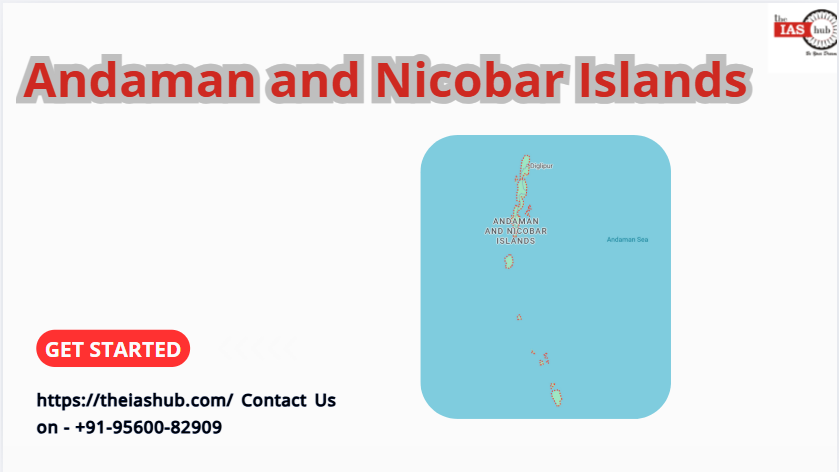

Andaman and Nicobar Islands, a union territory of India, plays an important role in the country’s strategic and ecological framework. Known for its pristine beaches, indigenous tribes, and marine biodiversity, the islands blend natural beauty with historical significance. Spanning 8,249 square kilometers, it is one of India’s most geographically dispersed territories. As per the 2011 Census, Andaman and Nicobar Islands have a population of over 380,000. Port Blair, the capital, serves as the administrative and economic hub, while islands like Havelock and Neil contribute significantly to tourism.

Also Reads: Indian States and Their Capitals 2025
Andaman and Nicobar Islands have a long historical timeline that includes early settlements by indigenous tribes like the Jarawas and Sentinelese. The region saw colonial occupation by the British, who established a penal colony in Port Blair during the 19th century. The islands played a strategic role during World War II when they were briefly occupied by Japanese forces. Post-independence, the territory became part of India in 1950 and was later declared a union territory in 1956 under the States Reorganisation Act.
Also Read: Andhra Pradesh

Andaman and Nicobar Islands are located in the Bay of Bengal, comprising over 500 islands. The territory shares maritime borders with Myanmar to the north and Indonesia to the south.
Also Read: Union Territories of India List 2025 With Capitals
| Category | Details |
| Geographical Features | – Island Archipelago (572 islands, islets and rocks) – Barren Island (only active volcano in South Asia) – Major Island Groups: Andaman (north), Nicobar (south) – Highest Point: Saddle Peak (732 m in North Andaman) – Lowest Point: Sea level (coastal areas) – Rich marine biodiversity (coral reefs, mangroves) and tropical rainforests |
| Climate Type | Tropical Maritime |
| Seasons | – Summer (Mar-May): Hot and humid – Monsoon (Jun-Sep): Southwest monsoon (heavy rainfall) – Post-Monsoon (Oct-Dec): Retreating monsoon – Winter (Jan-Feb): Mild and pleasant |
| Climate Variation | – Northern Islands (Andaman): Higher rainfall – Southern Islands (Nicobar): Slightly warmer – Coastal Areas: More humid – Interior Forests: More moderate temperatures |
Also Read: Arunachal Pradesh
As per the 2011 Census, Andaman and Nicobar Islands had a population of 380,581. The population density stands at 46 persons per square kilometer, among the lowest in India. The sex ratio is 876 females per 1000 males, below the national average.
| Category | Details |
| Population (2011 Census) | 380,581 |
| Population Density | 46 persons/km² |
| Sex Ratio | 876 females per 1000 males |
| Literacy Rate | 86.3% (Male: 90.1%, Female: 81.8%) |
| Languages Spoken | – Hindi (official) – Bengali – Tamil – Telugu – Nicobarese – English (administrative language) |
Also Read: Chattisgarh
Each state has its own symbols. Following are the state symbols Andaman and Nicobar Islands of :

| Symbol | Name |
| State Animal | Dugong |
| State Bird | Andaman Wood Pigeon |
| State Tree | Andaman Padauk |
| State Flower | Pyinma |
These symbols reflect Andaman and Nicobar Islands’ unique island ecology and biodiversity.
Also Read: Assam

Andaman and Nicobar Islands does not have its own Legislative Assembly. The governance is through an Administrator appointed by the central government, with some local representation through the Andaman and Nicobar Islands Territorial Congress Committee.

| Category | Details |
| Union Territory Formation | November 1, 1956 (States Reorganisation Act) |
| Lieutenant Governor | Admiral D.K. Joshi (since 2021) |
| Chief Justice (High Court) | Hon’ble Justice Siddharth Mridul (since 2023) – High Court: Calcutta High Court (circuit bench at Port Blair) |
| Legislature Type | Union Territory (No Legislative Assembly) |
| Lok Sabha Representation | 1 Member |
| Rajya Sabha Representation | N/A |
| Districts (2024) | 3 |
| Local Governance Units | Divided into districts, tehsils, and panchayats |
Also Read: Bihar
Andaman and Nicobar Islands’ culture reflects a unique blend of indigenous tribal traditions and settler influences from mainland India, creating a distinct island identity.

| Category | Details |
| Traditional Dances | Nicobari Dance and Andamanese Tribal Dances are prominent. |
| Nicobari Dance | – Traditional dance form of the Nicobari tribe performed during festivals. – Features: Rhythmic body movements, bamboo sticks, and coconut shells. – Themes: Celebration of nature, harvest, and community bonding. – Unique Aspect: Performed in circles to traditional chants and simple percussion. |
| Andamanese Tribal Dances | – Ritualistic dances of indigenous tribes like the Jarawa and Onge. – Features: Mimicking animal movements and natural elements. – Themes: Hunting, nature worship, and tribal folklore. – Unique Aspect: Uses body paint and natural materials as costumes. |
| Theatre Art | The islands have unique indigenous performance traditions. |
| Shamanic Performances | Ritualistic storytelling by tribal medicine men using chants and gestures. |
| Folk Music | Reflects the islands’ tribal heritage and settler influences. |
| Jarawa Chants | Traditional call-and-response songs during tribal ceremonies. |
| Settler Folk Songs | Bengali and Tamil folk songs adapted to island life. |
| Classical Music | Mainland Indian classical traditions are practiced by settler communities. |
| Performance Traditions | Community gatherings often feature Carnatic and Hindustani music performances. |
| Festivals | – Island Tourism Festival: Showcases local culture through dance and music. – Subhash Mela: Celebrates Netaji’s historic visit to the islands. – Durga Puja and Diwali celebrated with island-style adaptations. – Christmas: Major celebration among Nicobari tribes with unique traditions. |
| Arts and Crafts | The islands have distinctive tribal and settler crafts. |
| Shell Jewelry | Intricate ornaments made from seashells and corals. |
| Cane Work | Traditional Nicobari baskets and household items. |
| Wood Carvings | Tribal art depicting local wildlife and mythology. |
| Architecture | The islands showcase colonial and indigenous styles. |
| Cellular Jail | Historic colonial-era prison with unique star-shaped design. |
| Nicobari Huts | Traditional stilt houses made from local materials. |
| British-era Buildings | Colonial architecture in Port Blair. |
Andaman and Nicobar Islands are home to unique island ecosystems, ranging from tropical rainforests to coral reefs, preserved in its national parks and sanctuaries.

| Category | Details |
| National Parks | Campbell Bay National Park (Great Nicobar) – Known for: Tropical forests, Nicobar megapode, saltwater crocodiles – Area: 426 sq. km Mahatma Gandhi Marine National Park (Wandoor) – Known for: Coral reefs, marine life, and mangrove creeks – Area: 281.5 sq. km |
| Largest National Park | Galathea National Park – Area: 110 sq. km – Location: Great Nicobar – Key features: Rainforests, giant robber crabs |
| Smallest National Park | North Button Island National Park – Area: 0.44 sq. km – Location: North Andaman – Key features: Coral reefs, dugongs |
| Notable Wildlife Sanctuaries | Landfall Island Wildlife Sanctuary Lohabarrack Saltwater Crocodile Sanctuary Interview Island Wildlife Sanctuary |
| Neighboring Regions | Myanmar to north, Indonesia to south 1,200 km coastline along Bay of Bengal and Andaman Sea |
| Ramsar Sites | None currently designated |
| UNESCO Sites | None currently designated |
| Key Species | – Andaman wild pig – Nicobar tree shrew – Saltwater crocodile – Coral reef ecosystems |
Key Points:
The economy of Andaman Nicobar is diversified, with strong indicators, supported by robust infrastructure and industrial growth.
| Category | Details |
| Key Sectors | Tourism: Beach resorts, scuba diving, ecotourism Fisheries: Tuna, shrimp, and crab exports Handicrafts: Shell and wood products Agriculture: Coconut, areca nut, spices Shipping: Strategic port location |
| Major Projects | Port Blair Smart City development Havelock Island tourism infrastructure Submarine cable connectivity project |
| Economic Overview | GSDP for 2023-24: ₹0.45 lakh crore Sector-wise Contribution: – Services: 65% – Industry: 20% – Agriculture: 15% |
| Major Economic Centres | Port Blair: Administration and trade Havelock Island: Tourism hub Diglipur: Agriculture and fisheries |
| Important Infrastructure | Port Blair Airport Haddo Wharf (main port) Chatham Saw Mill (Asia’s oldest) |
Following is the list of all Ports of Andaman Nicobar Islands:
| Port Name | Type | Location | Key Features |
| Port Blair Port | Major | Port Blair | Main commercial and passenger port |
| Havelock Jetty | Minor | Havelock | Tourism and inter-island transport |
| Mayabunder Port | Minor | Mayabunder | Northern islands supply chain |
Limited mineral resources due to island geology:
Are you preparing for UPSC 2025? Join IAShub’s UPSC coaching batches to boost your preparation. Enroll now!
Andaman and Nicobar Islands, with their strategic importance, ecological treasures and unique indigenous cultures, represent a microcosm of India’s maritime heritage. Understanding these islands is crucial for UPSC aspirants examining India’s security, tribal policies and environmental conservation challenges.

The territory has 6 indigenous tribes: the Great Andamanese, Onges, Jarawas, Sentinelese (all in Andamans), and Shompens and Nicobarese (in Nicobar). The Sentinelese remain among the last uncontacted peoples globally.
The archipelago boasts tropical rainforests with 2,200+ plant species, fringing coral reefs with 1,200 fish species, and mangrove forests covering 15% of the coastline. It's part of the Indo-Burma biodiversity hotspot.
The economy depends on tourism (scuba diving, ecotourism), fisheries (tuna exports), coconut plantations, and handicrafts (shell, wood). Port Blair serves as the administrative and commercial hub.
Important conservation areas include Mahatma Gandhi Marine National Park (coral reefs), Campbell Bay National Park (rainforests), and Lohabarrack Sanctuary (saltwater crocodiles). The islands have 9 national parks and 96 sanctuaries.

Refine your answer writing skills and elevate your UPSC preparation with personalized support and expert feedback.
Fill out the form to get started with the program or any other enquiries !




Are you dreaming of becoming an IAS officer? Then, IAShub can be your best guide. It is one of the Best IAS Coaching in Delhi. Many students who want to clear the UPSC exam join IAShub for learning. The institute gives both online and offline classes. Their teachers are experienced and helpful. They easily explain every topic. Students also get notes, tests, and tips to do well in the exam.
IAShub is in Delhi and is trusted by many UPSC students. It offers coaching for every part of the UPSC exam – Prelims, Mains, and Interview. The classes are simple and easy to understand. The teachers are experts and guide students in the right way. IAShub is also known for its helpful notes, test series, and answer-writing practice. IAShub is the best coaching in Delhi and also gives UPSC Online Classes. This helps students from any place in India to learn. The online classes are live and also recorded. So, students can watch them anytime. These classes cover the full UPSC syllabus.
Here are some important services provided by IAShub:
The UPSC Civil Services Exam has three parts:
This exam is tough, but with the right guidance, it becomes easy to manage. Students must study smart and stay regular.
IAShub supports students from the beginning to the end. It gives the right books, tests, and notes. The classes are easy to follow, and the teachers are always ready to help. Students get personal doubt sessions too. The test series and answer checking help students learn where they need to do better. Also, free study materials save time and money.
IAShub also guides students during the final stage – the interview. Experts take mock interviews and give useful tips. This full support makes IAShub one of the best IAS coaching in Delhi.