
















Explore National Capital Territory of Delhi 2025 — the political and cultural heart of India. Learn about its history, governance, geography, climate, economy, culture, demographics, and key landmarks like Red Fort, India Gate, and Qutub Minar.
 theIAShub | 11 Jul, 2025 | 21858 | 0 |

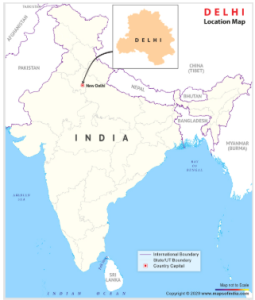
Courtesy: Maps of India
The National Capital Territory of Delhi, the capital of India, serves as the political, cultural, and economic heart of the country. Known for its rich heritage and modern infrastructure, the city blends historical significance with contemporary urban development. Covering an area of 42.7 square kilometers, it is a part of the larger National Capital Territory (NCT) of Delhi. As per the 2011 Census, New Delhi has a population of over 257,000, while the broader NCT of Delhi exceeds 16 million. The city houses key government institutions, diplomatic missions, and cultural landmarks.
The National Capital Territory (NCT) of Delhi is a unique administrative region that serves as the capital of India. It was established under the 69th Constitutional Amendment Act of 1991, which gave Delhi a special status with its own Legislative Assembly, Chief Minister, and a limited set of powers. Unlike full-fledged states, the NCT of Delhi shares administrative control with the Central Government, particularly in matters related to public order, police, and land, which fall under the jurisdiction of the Lieutenant Governor. The NCT includes New Delhi—the seat of the central government—as well as surrounding urban and semi-urban areas such as South Delhi, West Delhi, and North Delhi. This structure allows the region to function both as a Union Territory and a quasi-state, balancing national governance with local administration.
Also Read: Union Territories of India List
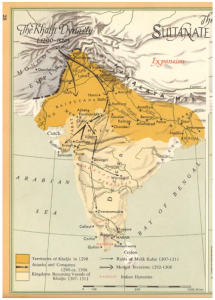
The National Capital Territory of Delhi has a deep historical legacy, tracing back to ancient settlements like Indraprastha from the Mahabharata era. The city witnessed the rule of several dynasties, including the Mauryas, Tughlaqs, and Mughals, who contributed to its architectural and administrative development.
The modern city was established in 1911 during British rule when the capital was shifted from Calcutta (now Kolkata) to Delhi. Designed by architects Edwin Lutyens and Herbert Baker, New Delhi became the seat of the British Indian government. Post-independence, it continued as the capital of the Republic of India, playing a central role in national governance.
Also Read: Indian States and Their Capitals
The National Capital Territory of Delhi is located in northern India, bordered by the states of Haryana and Uttar Pradesh. The Yamuna River flows along its eastern boundary, while the Aravalli Range lies to the southwest. The city experiences a semi-arid climate with hot summers, a monsoon season, and mild winters.
| Category | Details |
| Geographical Features | – Part of the Indo-Gangetic Plain (flat and fertile) – Slight undulations due to Aravalli outcrops (e.g., Delhi Ridge) – River system: Yamuna River (major river flowing through the city) – Longest river: Yamuna (~1,376 km; Delhi stretch ~48 km) – No major tributaries in Delhi; seasonal drains like Najafgarh drain exist – Highest point: Northern Ridge (~318 m above sea level) – Lowest point: Yamuna floodplain (~200 m above sea level) – Alluvial soil with sandy loam texture – Limited natural resources; dependent on groundwater and external water supply |
| Climate Type | Semi-arid to Humid Subtropical (Köppen: BSh/Cwa) |
| Seasons | – Summer (Apr-Jun): Very hot and dry (can exceed 45°C) – Monsoon (Jul-Sep): Moderate to heavy rainfall (SW monsoon) – Post-Monsoon (Oct-Nov): Transition period; decreasing humidity – Winter (Dec-Feb): Cold with fog (temperatures can fall below 5°C) |
| Climate Variation | – Ridge area: Slightly cooler and less humid – Urban core: Heat island effect with high temperatures – Floodplain areas: Higher humidity, risk of waterlogging – Peripheral zones (southwest): Drier and dust-prone |
Also Read: Meghalaya
[metaslider id=”5575″]
As per the 2011 Census, New Delhi had a population of 16.8 million (including New Delhi district as part of the NCT). The population density is among the highest in India, standing at 11,320 persons per square kilometer. The sex ratio is 868 females per 1000 males, significantly below the national average.
Literacy Rate: Delhi recorded a literacy rate of 86.3%, with male literacy at 91.0% and female literacy at 80.9%.
Languages Spoken:
Also Read: Manipur
(Note: As the National Capital Territory, Delhi does not have officially designated state symbols like other states. However, some representations are commonly used in civic and tourism contexts.)
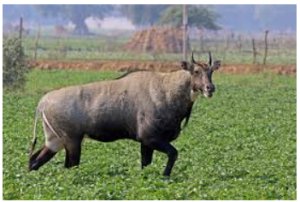
| Symbol | Common Representation |
| State Animal | Nilgai (locally found) |
| State Bird | House Sparrow (frequently used) |
| State Tree | Neem or Peepal (widely planted) |
| State Flower | Alstonia (used in greening drives) |
These reflect the urban ecology and greening initiatives of Delhi’s administration.
Also Read: Maharrashtra
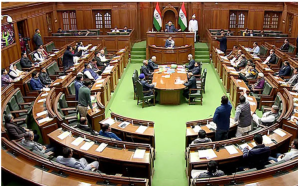
New Delhi follows a hybrid governance model, combining elements of Union Territory administration and partial statehood.
| Category | Details |
| State Formation | National Capital Territory of Delhi established in 1991 (69th Constitutional Amendment Act) |
| Chief Minister | Rekha Gupta – Focus: Education, health, governance reforms |
| Lieutenant Governor | V.K. Saxena – In office since: May 2022 |
| Chief Justice (High Court) | Hon’ble Justice Manmohan – Assumed office: March 2024 – High Court: Delhi High Court, New Delhi |
| Legislature Type | Unicameral (Legislative Assembly) |
| Legislative Assembly Members | 70 elected members |
| Lok Sabha Representation | 7 Members |
| Rajya Sabha Representation | 3 Members (indirectly elected) |
| Districts | 11 (as of 2024) |
| Local Governance Units | Divided into districts, sub-divisions, and municipal wards (MCD, NDMC, DCB) |
Governance in the National Capital Territory (NCT) of Delhi follows a hybrid structure combining elements of both Union Territory administration and partial statehood. Under the 69th Constitutional Amendment Act of 1991, Delhi was granted a Legislative Assembly and a Council of Ministers headed by a Chief Minister, elected through direct elections by the people for a five-year term. The political party or coalition securing a majority in the 70-member Assembly forms the government, and the Chief Minister is appointed by the Lieutenant Governor (LG), who represents the President of India. Other ministers are appointed by the LG on the advice of the Chief Minister. However, key subjects like police, land, and public order remain under the LG’s exclusive control, as Delhi is not a full-fledged state. The LG is appointed by the President of India and acts on the advice of the Union Government, creating a dual governance model that often requires coordination—and sometimes negotiation—between the Delhi Government and the Centre. This arrangement reflects Delhi’s status as both a democratic capital city and the administrative heart of the nation.
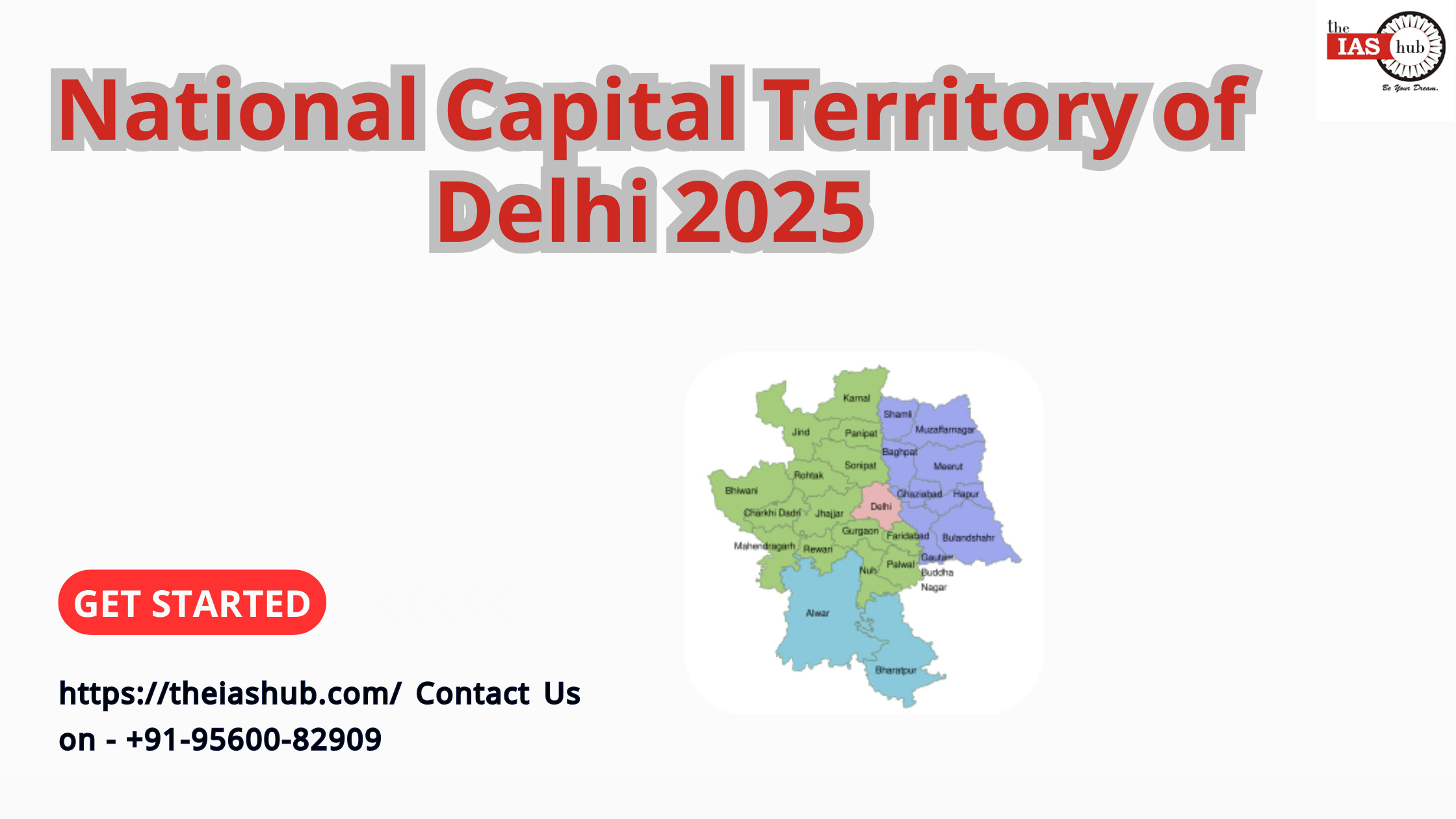
Following is the list of all districts covered under NCT of Delhi
| State/UT | Districts in NCR |
| Delhi (NCT) | 1. Central Delhi 2. East Delhi 3. New Delhi 4. North Delhi 5. North East Delhi 6. North West Delhi 7. Shahdara 8. South Delhi 9. South East Delhi 10. South West Delhi 11. West Delhi |
| Haryana | 1. Faridabad 2. Gurugram (Gurgaon) 3. Sonipat 4. Jhajjar 5. Panipat 6. Rohtak 7. Rewari 8. Mahendragarh 9. Bhiwani 10. Charkhi Dadri 11. Jind 12. Karnal 13. Nuh (Mewat) 14. Palwal |
| Uttar Pradesh | 1. Gautam Buddh Nagar (Noida/Greater Noida) 2. Ghaziabad 3. Bulandshahr 4. Meerut 5. Baghpat 6. Hapur 7. Shamli |
| Rajasthan | 1. Alwar 2. Bharatpur |
Also Read: Kerala
Delhi’s culture is shaped by centuries of imperial history, migration, and urban transformation. It is a melting pot of North Indian traditions, Mughal influences, Punjabi vibrancy, and modern cosmopolitanism. Key cultural markers include:
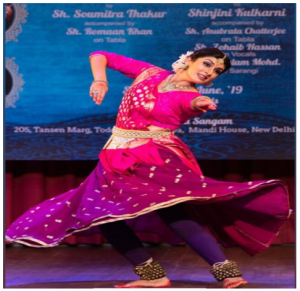
| Category | Details |
| Classical Dance | New Delhi doesn’t have its own classical dance, but serves as a hub for major classical forms including Kathak, Bharatanatyam, Odissi, Kuchipudi, Manipuri, and Mohiniyattam. |
| Folk Dances | No indigenous folk dance; however, folk dances from all parts of India are performed due to the city’s cosmopolitan nature. |
| Theatre Art | Rich theatre scene with both traditional and modern forms. |
| Nukkad Natak (Street Play) | Popular form of street theatre focused on social issues, performed in public spaces. |
| Modern Theatre | Venues like NSD, Kamani Auditorium, and Shri Ram Centre host diverse performances ranging from experimental to mainstream plays. |
| Puppetry (Kathputli) | Traditional string puppetry, though less common, is showcased during cultural festivals. |
| Folk Music | No native folk music tradition, but the city is a performance hub for folk music from across India. |
| Classical Music | Major center for Hindustani and Carnatic music traditions. |
| Performance Traditions | Regular hosting of classical concerts, gharana recitals, and music festivals at venues like India Habitat Centre and Siri Fort Auditorium. |
| Festivals | Celebrates a wide array of national and religious festivals, including:• Republic Day Parade• Independence Day at Red Fort• Diwali, Holi• Eid al-Fitr, Eid al-Adha• Christmas• Durga Puja• Qutub Festival• Delhi International Arts Festival |
| Arts and Crafts | New Delhi is a central marketplace for Indian handicrafts and folk art. |
| Dilli Haat | Open-air market showcasing handicrafts, cuisines, and performances from different Indian states. |
| Pottery | Terracotta and clay pottery practiced in pockets of the city. |
| Jewelry Making | Both traditional and contemporary jewelry crafted and sold in urban markets. |
| Textiles | Center for Indian textiles, featuring block prints, embroideries, and regional weaves. |
| Architecture | Architectural mix reflecting Mughal, colonial, and modern Indian design styles. |
| India Gate | Iconic war memorial commemorating Indian soldiers. |
| Red Fort | Historic Mughal-era fort and UNESCO World Heritage Site. |
| Humayun’s Tomb | Precursor to the Taj Mahal, a UNESCO World Heritage Site. |
| Qutub Minar | A towering minaret complex, also a UNESCO World Heritage Site. |
| Lotus Temple | Baháʼí House of Worship, notable for its flower-like structure. |
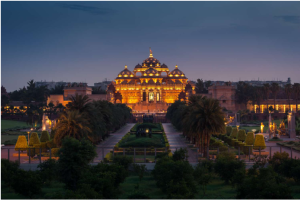
| Akshardham Temple | Grand modern temple complex representing Indian spirituality and art. |
| Rashtrapati Bhavan | Presidential residence and an example of British colonial architecture. |
Also Read: Karnataka
New Delhi is home to diverse ecosystems, ranging from fertile plains to wetlands, preserved in its wildlife sanctuaries and conservation reserves.
| Category | Details |
| National Parks in New Delhi | New Delhi has no designated national parks. |
| Wildlife Sanctuaries / Protected Areas | Asola Bhatti Wildlife Sanctuary• Area: ~32 sq. km• Features: Part of Aravalli hills, home to leopards, nilgai, blackbuck, and birds; supports groundwater recharge.Yamuna Biodiversity Park• Features: Conserves Yamuna River basin ecosystems (wetlands, grasslands, woodland); attracts migratory and resident birds.Aravalli Biodiversity Park• Features: Reclaimed mining site; showcases Aravalli native flora; rich bird diversity. |
| Neighboring States | • Haryana – North, West, South• Uttar Pradesh – East (Ghaziabad & Gautam Buddh Nagar districts) |
| Ramsar Sites | None in New Delhi |
| UNESCO World Heritage Sites | Humayun’s Tomb (1993)• First garden-tomb in the subcontinent; precursor to Taj MahalQutub Minar & its Monuments (1993)• Historical complex: Qutub Minar, Alai Darwaza, Quwwat-ul-Islam MosqueRed Fort Complex (2007)• Built by Shah Jahan; Mughal imperial residence |
| Tiger Reserves | None in New Delhi |
New Delhi has a service-driven economy, with strong contributions from government services, trade, real estate, information technology, tourism, and public administration. The capital city’s infrastructure and connectivity also support its economic activities.
| Category | Details |
| Key Sectors | Public Administration & Governance: Being India’s capital, New Delhi hosts most central government offices and ministries. Services: Dominated by finance, insurance, real estate, legal, education, and professional services. Information Technology & ITES: Major IT presence in nearby regions like Gurugram and Noida influences the capital. Retail & Trade: Major wholesale markets (e.g., Chandni Chowk, Karol Bagh, Sadar Bazaar). Tourism & Hospitality: Driven by heritage tourism, political visits, and global conferences. |
| Major Projects | Central Vista Redevelopment: Revamping India’s administrative core. Delhi-Mumbai Industrial Corridor (DMIC): Delhi’s node contributes to logistics and urban expansion. Delhi Metro Expansion (Phase IV): Major public transport enhancement. Smart City Mission: Infrastructure modernization and e-governance initiatives. |
| Economic Overview | GSDP for 2023–24: ₹10.4 lakh crore, with a growth rate of 8.1%. Sector-wise Contribution (2023–24): – Agriculture and Allied: 1% – Industry: 12% – Services: 87% New Delhi’s economy is overwhelmingly services-based, driven by administration, finance, and trade. |
| Major Economic Centres | Connaught Place: Business, retail, and financial hub. Nehru Place: IT hardware and software market. Okhla & Naraina: Light industrial and manufacturing zones. Dwarka & Rohini: Emerging residential-commercial clusters. Karol Bagh & Chandni Chowk: Traditional trade and retail centres. |
| District-wise Economic Contribution | Delhi does not officially release GSDP by district, but key zones include: New Delhi District: Government and administrative core. South Delhi: High-value residential, retail, and IT services. West & Central Delhi: Commercial markets and wholesale trade hubs. East Delhi: Service-based economic activity. |
| Important Industrial Infrastructure | Okhla Industrial Area: Light manufacturing, printing, and food processing. Naraina Industrial Estate: Auto parts, textiles, packaging. Bawana Industrial Complex: Emerging MSME hub. Delhi State Industrial and Infrastructure Development Corporation (DSIIDC): Promotes planned industrial growth. |
New Delhi has very limited natural mineral resources due to its small geographic area and highly urbanized landscape. However, minor extraction and construction material use occur in surrounding areas, especially in the Delhi Ridge and Yamuna floodplain.
| Mineral Resource | Major Mining Areas / Districts | Details / Notes |
| Sand & Gravel | Yamuna floodplain (East & North-East Delhi) | – Extracted informally for construction purposes. – Often sourced illegally, leading to environmental concerns. |
| Clay | Outer Delhi (Najafgarh, Bawana areas) | – Used in local brick kilns on Delhi’s periphery. – Often sourced from nearby Haryana and UP districts. |
| Construction Debris (Recycled Aggregate) | Bawana, Burari, Shastri Park | – Processed at municipal recycling plants. – Used in low-grade construction; key in circular economy efforts. |
| Stone (Aravalli Ridge) | South Delhi (Asola, Bhatti area – historically) | – Quarrying now banned due to ecological protection. – Historic use in local construction and monuments. |
| Topsoil | Peripheral zones (semi-urban belts) | – Used in landscaping and gardening. – Prone to degradation due to overuse and construction. |
[metaslider id=”5575″]
Are you preparing for UPSC 2026? Join IAShub’s UPSC coaching batches to boost your preparation. Enroll now!
New Delhi stands as a unique blend of history, governance, culture, and modern urban development. As the capital of India, it plays a vital role in shaping national policy, diplomacy, and administration. Despite its limited natural resources and small geographical area, New Delhi thrives on a robust services-based economy, supported by world-class infrastructure, educational institutions, and cultural diversity. Its rich heritage, combined with dynamic urban growth and green initiatives, makes it not just the political heart of the country but also a symbol of India’s evolving identity.

The Red Fort, Qutub Minar, Humayun’s Tomb, India Gate, and Rashtrapati Bhavan are key landmarks reflecting India’s imperial and colonial past.
Major cultural festivals include the Republic Day Parade, Qutub Festival, International Trade Fair, and Surajkund Mela (nearby).
Public administration, services, real estate, retail trade, education, tourism, and transport dominate the economy.
Yes. Notable ones include Asola Bhatti Wildlife Sanctuary, Yamuna Biodiversity Park, and Aravalli Biodiversity Park.

Refine your answer writing skills and elevate your UPSC preparation with personalized support and expert feedback.
Fill out the form to get started with the program or any other enquiries !



Are you dreaming of becoming an IAS officer? Then, IAShub can be your best guide. It is one of the Best IAS Coaching in Delhi. Many students who want to clear the UPSC exam join IAShub for learning. The institute gives both online and offline classes. Their teachers are experienced and helpful. They easily explain every topic. Students also get notes, tests, and tips to do well in the exam.
IAShub is in Delhi and is trusted by many UPSC students. It offers coaching for every part of the UPSC exam – Prelims, Mains, and Interview. The classes are simple and easy to understand. The teachers are experts and guide students in the right way. IAShub is also known for its helpful notes, test series, and answer-writing practice. IAShub is the best coaching in Delhi and also gives UPSC Online Classes. This helps students from any place in India to learn. The online classes are live and also recorded. So, students can watch them anytime. These classes cover the full UPSC syllabus.
Here are some important services provided by IAShub:
The UPSC Civil Services Exam has three parts:
This exam is tough, but with the right guidance, it becomes easy to manage. Students must study smart and stay regular.
IAShub supports students from the beginning to the end. It gives the right books, tests, and notes. The classes are easy to follow, and the teachers are always ready to help. Students get personal doubt sessions too. The test series and answer checking help students learn where they need to do better. Also, free study materials save time and money.
IAShub also guides students during the final stage – the interview. Experts take mock interviews and give useful tips. This full support makes IAShub one of the best IAS coaching in Delhi.
Join 50,000+ UPSC Aspirants! 🚀
Get Free UPSC/IAS Study Materials, Daily Current Affairs, Editorial Summaries & Exam Updates.
Join Telegram Channel