
















Explore the role of women in the Indian National Movement. Get Women in Indian National Movement List of leaders like Rani Lakshmibai, Sarojini Naidu, and Usha Mehta, their contributions, sacrifices, and lasting impact on India's freedom struggle and social reform.
 theIAShub | 04 Jul, 2025 | 15514 | 0 |
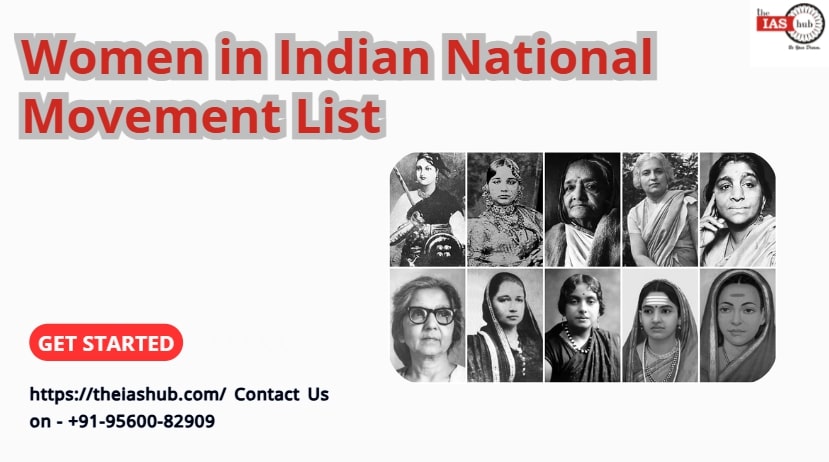

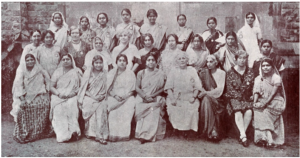
Women in the Indian National Movement played a significant role, contributing to the struggle for independence from British colonial rule through various forms of participation, leadership, and sacrifice. Their involvement was crucial in mobilising communities, challenging social norms, and advancing the cause of freedom. Women’s participation was crucial not only in propelling the independence movement forward but also in reshaping gender expectations and societal conventions. Women from varied regions, backgrounds, and walks of life came together under the cause of liberation, leaving a profound mark on India’s history and transforming the social landscape for future generations.
Women were pivotal in India’s fight for independence, engaging in substantial numbers and making significant impacts at both local and national levels. Prominent figures such as Sarojini Naidu, Vijayalakshmi Pandit, Kamaladevi Chattopadhyay, and Mridula Sarabhai emerged as central leaders. Regional influencers like Annie Mascarene and A.V. Kuttimaluamma in Kerala, Durgabai Deshmukh in Madras Presidency, and Rameshwari Nehru in Uttar Pradesh also wielded considerable influence.
Moreover, Irish women such as Annie Besant and Margaret Cousins brought their insights into British oppression, further strengthening the movement’s resistance to colonialism. Together, these women shaped the nationalist effort and India’s journey toward sovereignty.
Also Read: Growth of Nationalism in India
Women in Indian National Movement played a pivotal role in India’s fight for freedom, significantly bolstering the nationalist cause while transforming societal structures. Their engagement shattered stereotypes, fostered unity across diverse groups, and advanced the pursuit of equality and empowerment.
Also Read: Impact of Nationalism on Indian Society
Women in the Indian National Movement were a transformative force, characterised by their resilience, moral fortitude, and strategic involvement, which significantly enriched the struggle for independence. Mahatma Gandhi, recognising these attributes, actively encouraged women’s participation in satyagraha campaigns, thereby amplifying their influence within the broader anticolonial framework.
[metaslider id=”5575″]
Women in Indian National Movement played a pivotal role, contributing as leaders, organisers, and revolutionaries while navigating colonial oppression and gender constraints. Their participation redefined traditional gender roles and expanded the movement’s social and ideological scope. Here list of some prominent women in Indian National Movement
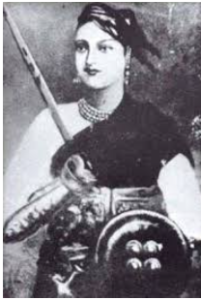
Rani Lakshmibai (1828-1858)Women in Indian National Movement
The fearless Queen of Jhansi became a legendary figure in India’s 1857 Revolt. Refusing to surrender her kingdom, she led her army against the British with remarkable bravery. Known for her brilliant horsemanship and swordsmanship, she died fighting at Gwalior, becoming an immortal symbol of Indian resistance. Her famous war cry, “Main apni Jhansi nahi doongi” (I will not give up my Jhansi), continues to inspire generations.
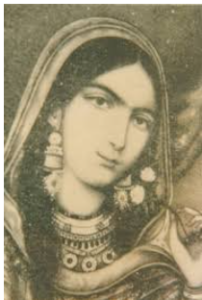
Begum Hazrat Mahal (1820–1879)
Queen of Awadh, who led the 1857 Revolt in Lucknow after the British exiled her husband, Nawab Wajid Ali Shah. Refusing to surrender, she took charge of the rebellion, organised forces, and declared her son the new ruler. For nearly a year, she fiercely resisted British troops before being forced to retreat to Nepal, where she died in exile. Remembered as a fearless leader who defended her kingdom with unmatched courage.
Kalpana Dutt (1913-1995)
Kalpana Dutt was a revolutionary who took part in the Chittagong Armoury Raid of 1930. Motivated by Khudiram Bose’s sacrifice, she joined the Chhatri Sangha and actively engaged in India’s fight for independence, enduring imprisonment for her contributions.
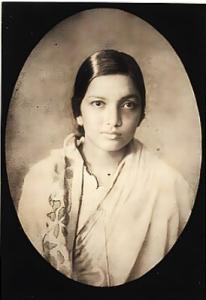
Lakshmi Sehgal (1914-2012)
Lakshmi Sehgal, commander of the Rani of Jhansi Regiment in the Indian National Army, played a vital role in enlisting women fighters for the Azad Hind Fauj. She also participated in the Red Fort Trials and made significant contributions to India’s struggle for freedom.
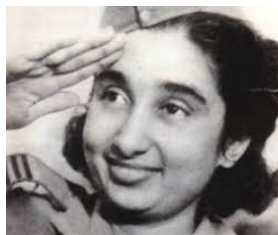
Rani Gaidinliu (1915-1993)
Rani Gaidinliu, a prominent figure in the Heraka movement, spearheaded an armed rebellion against British colonial rule in Manipur, Nagaland, and Assam. At just 13, she joined the movement, which sought to preserve Naga tribal traditions and secure self-governance.
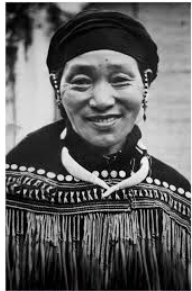
Usha Mehta (1920-2000)
Usha Mehta, at the tender age of 8, took part in demonstrations against the Simon Commission. In 1942, she and her colleagues established the clandestine Congress Radio, which played a critical role in broadcasting messages of India’s independence movement during the Quit India Movement.
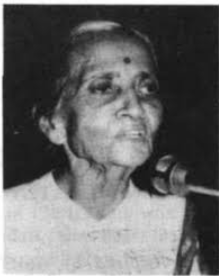
Kanaklata Barua (1924-1942)
Kanaklata Barua was among the youngest martyrs of the Quit India Movement. At only 17, she led a march to hoist the Indian flag at Gohpur police station in Assam, where she was tragically killed while bravely advancing the cause of independence.
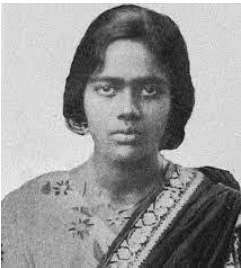
Annie Besant (1847-1933) Women in Indian National Movement
Annie Besant was a fervent advocate for Irish and Indian self-governance. Embracing Theosophy under Madame Blavatsky’s influence, she established the All India Home Rule League in 1916, demanding full sovereignty for India. Besant also significantly contributed to education, co-establishing Banaras Hindu University and numerous other institutions across India.
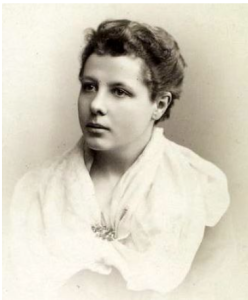
Bhikaji Cama (1861-1936)
Bhikaji Cama was a distinguished revolutionary who, in 1907, raised the Indian flag in Germany, a pioneering act. She played a vital role in the independence movement and co-founded the Paris Indian Society. Cama also enriched revolutionary literature with works like Bande Mataram and Madan’s Talwar.
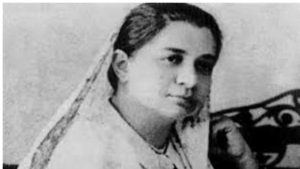
Matangini Hazra (1870-1942)
Matangini Hazra, inspired by Mahatma Gandhi, earned the title “Gandhi Buri” and actively participated in the Non-Cooperation and Civil Disobedience campaigns. Imprisoned during the Salt Satyagraha, she remains an enduring symbol of bravery in India’s fight for freedom.
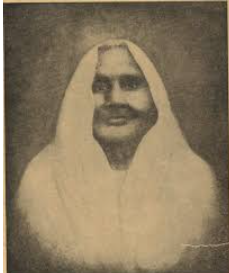
Sarojini Naidu (1879-1949) woman in Indian National Movement
Sarojini Naidu, known as the ‘Nightingale of India’, was a prominent leader in the Home Rule, Civil Disobedience, and Quit India movements. In 1925, she became the first woman to lead the Indian National Congress and later served as Governor of the United Provinces in free India, championing women’s rights and societal reform.
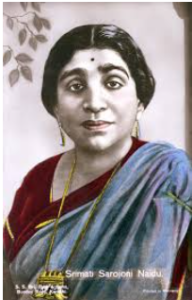
Ramadevi Chaudhary (1899-1985)
Ramadevi Chaudhary, influenced by Mahatma Gandhi, played a key role in Odisha’s Salt Satyagraha of 1930, rallying women for the independence struggle. She contributed to the Harijan Seva Sangh and established Sewaghar Ashram, advancing Gandhi’s principles of service.
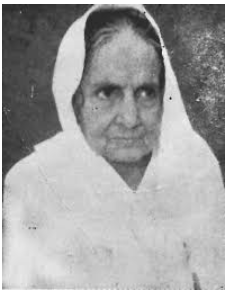
Vijaya Lakshmi Pandit (1900-1990)
Vijaya Lakshmi Pandit was the first woman to hold a cabinet post in 1937 and later became the first female President of the United Nations General Assembly. She actively participated in the Quit India, Civil Disobedience, and Non-Cooperation movements and promoted women’s rights through the All-India Women’s Conference.
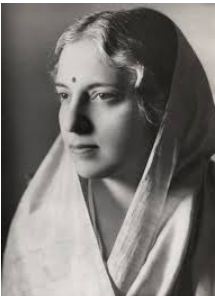
[metaslider id=”5575″]
Kamaladevi Chattopadhyay (1903-1988)
Kamaladevi Chattopadhyay, a social reformer and independence activist, co-founded the Congress Socialist Party in 1936. She advocated for women’s rights, supported reforms like the Child Marriage Restraint Bill, and engaged in movements such as the Salt Satyagraha and Civil Disobedience.
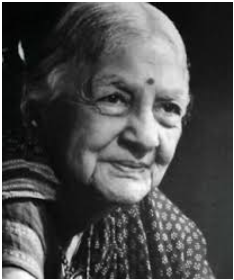
Sucheta Kriplani (1908-1974)
Sucheta Kriplani established the All India Mahila Congress in 1940 to advance women’s rights. She played a significant role during the Partition riots and contributed to drafting India’s Constitution, later becoming Uttar Pradesh’s first female Chief Minister.
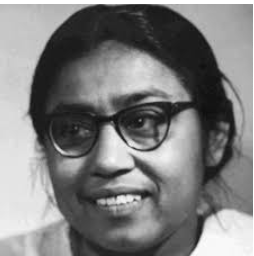
Aruna Asif Ali (1909-1996)
Aruna Asif Ali was a pivotal figure in the independence movement, notably raising the Indian flag at Gowalia Tank during the Quit India Movement in 1942. Celebrated as the ‘Grand Old Lady,’ her activism left a lasting impact on India’s struggle for freedom.
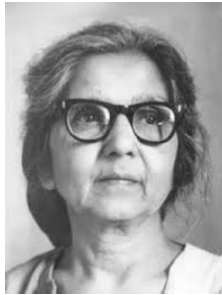
Bina Das (1911-1986) woman in Indian National Movement
Bina Das, a member of the Chhatri Sangha, attempted to assassinate Bengal Governor Stanley Jackson in 1932. She later joined the Congress party and actively participated in the Quit India Movement, embodying revolutionary zeal in India’s independence efforts.
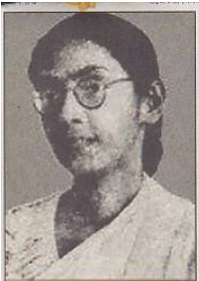
Pritilata Waddedar (1911-1932)
Pritilata Waddedar, a revolutionary, led a bold armed assault on the Pahartali European Club in 1932. After setting the club ablaze, she took cyanide to avoid British capture, cementing her legacy as a martyr in India’s fight for independence.
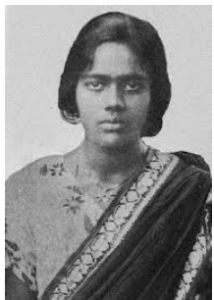

Women played a pivotal role in India’s struggle for independence, participating in non-violent movements, revolutionary activities, and leadership roles. They joined protests, boycotted foreign goods, picketed shops, organised underground networks, and led social reforms. Their contributions ranged from mass mobilisation to challenging societal norms, significantly shaping the movement.
The first woman president of the Indian National Congress (INC) was Annie Besant in 1917 (Calcutta session).
The First Indian woman to become a state governor was Sarojini Naidu (1947–49). She was appointed as the Governor of the United Provinces (now Uttar Pradesh) after India's independence.
Margaret Cousins (1927), with support from Sarojini Naidu and Kamaladevi Chattopadhyay.

Refine your answer writing skills and elevate your UPSC preparation with personalized support and expert feedback.
Fill out the form to get started with the program or any other enquiries !



Are you dreaming of becoming an IAS officer? Then, IAShub can be your best guide. It is one of the Best IAS Coaching in Delhi. Many students who want to clear the UPSC exam join IAShub for learning. The institute gives both online and offline classes. Their teachers are experienced and helpful. They easily explain every topic. Students also get notes, tests, and tips to do well in the exam.
IAShub is in Delhi and is trusted by many UPSC students. It offers coaching for every part of the UPSC exam – Prelims, Mains, and Interview. The classes are simple and easy to understand. The teachers are experts and guide students in the right way. IAShub is also known for its helpful notes, test series, and answer-writing practice. IAShub is the best coaching in Delhi and also gives UPSC Online Classes. This helps students from any place in India to learn. The online classes are live and also recorded. So, students can watch them anytime. These classes cover the full UPSC syllabus.
Here are some important services provided by IAShub:
The UPSC Civil Services Exam has three parts:
This exam is tough, but with the right guidance, it becomes easy to manage. Students must study smart and stay regular.
IAShub supports students from the beginning to the end. It gives the right books, tests, and notes. The classes are easy to follow, and the teachers are always ready to help. Students get personal doubt sessions too. The test series and answer checking help students learn where they need to do better. Also, free study materials save time and money.
IAShub also guides students during the final stage – the interview. Experts take mock interviews and give useful tips. This full support makes IAShub one of the best IAS coaching in Delhi.
Join 50,000+ UPSC Aspirants! 🚀
Get Free UPSC/IAS Study Materials, Daily Current Affairs, Editorial Summaries & Exam Updates.
Join Telegram Channel