World Sickle Cell Awareness Day 2025 will be observed on June 19 to raise awareness about sickle cell disease. This day will be marked by global campaigns, India-focused initiatives, updated statistics, causes, types, and the 2025 official theme.
 theIAShub | 14 Jun, 2025 | 1594 | 0 |

World Sickle Cell Awareness Day (observed on June 19) is a United Nations‑recognized event aimed at raising global awareness of sickle cell disease (SCD) and mobilizing support for patients and communities. First proclaimed by the UN in 2008 and first observed in 2009, each year World Sickle Cell Awareness Day draws attention to this inherited blood disorder and its impact.
Also Read: National and International Days 2025
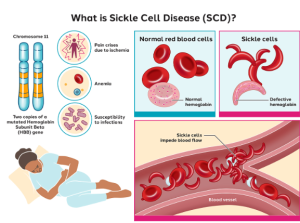
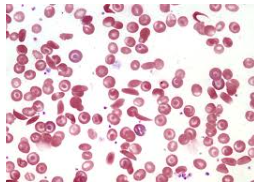
Sickle cell disease (SCD), often called sickle cell anemia, is an inherited blood disorder caused by a genetic mutation in hemoglobin (the oxygen-carrying protein in red blood cells). In SCD the red blood cells become rigid and crescent‑ or “sickle”‑shaped instead of the normal round shape. These sickled cells can clog small blood vessels and break apart easily, leading to chronic anemia and episodic pain crises. Patients with SCD often experience fatigue, jaundice (yellowing of skin or eyes), painful vaso-occlusive crises, and organ damage due to the disrupted blood flow.
SCD is present from birth and inherited in an autosomal recessive fashion. People with SCD have two copies of the mutated hemoglobin gene (often denoted “HbS”), one inherited from each parent. If only one mutated gene is inherited, the person is a carrier (sickle cell trait) and generally has milder or no symptoms. Understanding “what’s sickle cell disease” thus requires recognizing its genetic basis, clinical features, and life-threatening potential. Early diagnosis through newborn screening and comprehensive care can dramatically improve outcomes.
Also Read: World Brain Tumor Day
World Sickle Cell Awareness Day 2025: Theme
The World Sickle Cell Awareness Day 2025 theme, announced by the Global Alliance of Sickle Cell Disease Organizations (GASCDO), is “Global Action, Local Impact: Empowering Communities for Effective Self-Advocacy”. This theme emphasizes coordinated global efforts and grassroots empowerment to improve screening, treatment and patient support worldwide. Awareness campaigns, virtual events, and community outreach on June 19, 2025 will align under this theme to highlight progress and persisting challenges in combating SCD.
Also Read: World Food Safety Day
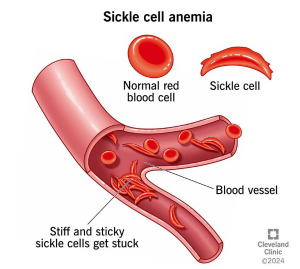
Courtesy: Cleveland Clinic
The main cause of sickle cell disease is a specific genetic mutation in the β-globin (HBB) gene on chromosome 11. This mutation substitutes a single amino acid (glutamic acid to valine at position 6), creating abnormal hemoglobin S (HbS). When hemoglobin S molecules polymerize under low oxygen conditions, they deform red blood cells into the characteristic sickle shape. The disease occurs in individuals who inherit two copies of the HbS gene (autosomal recessive inheritance). The distribution of SCD reflects a heterozygote advantage: carriers of one HbS gene (sickle trait) are more resistant to malaria, so the sickle gene became common in malaria‑endemic regions.
Also Read: List of Important Days in June 2025
| Cause/Factor | Explanation |
| Genetic mutation (HBB gene) | A point mutation (GAG→GTG) in the β-globin gene produces abnormal hemoglobin S (HbS), the underlying molecular cause of SCD. |
| Autosomal recessive inheritance | SCD manifests when a child inherits two HbS genes (one from each parent). Carriers (one gene) typically have sickle cell trait (no disease). |
| Heterozygote advantage | Carriers of one HbS gene (sickle trait) are protected against malaria, explaining the high sickle-gene prevalence in parts of Africa, India, etc.. |
| Environmental triggers | Factors like low oxygen (high altitude), dehydration, cold or stress can precipitate sickling of red cells and painful crises. |
This table summarizes why and how sickle cell disease arises. The main cause is the inherited hemoglobin mutation. No environmental or lifestyle factor causes SCD; rather, triggers affect the severity of crises in those already genetically affected.
Also Read: World Environment Day
Sickle cell disease encompasses several genetic subtypes. The major forms are categorized by which abnormal hemoglobin genes a person inherits:
The following table summarizes the common types of SCD:
| Type (Genotype) | Genetic Inheritance | Clinical Notes |
| HbSS (Sickle cell anemia) | Two HbS genes (one from each parent) | Most common and severe form of SCD; causes chronic hemolytic anemia, frequent crises. |
| HbSC | HbS gene + HbC gene | Milder than HbSS; patients have episodic symptoms and a generally better prognosis than HbSS. |
| HbS/β-thalassemia | HbS gene + β-thalassemia gene (β^0 or β^+) | Severity varies: HbS/β^0 is similar to HbSS; HbS/β^+ tends to be milder. |
| Other (HbSD, HbSE, HbSO) | HbS gene + another abnormal globin gene (D/E/O) | Rare; clinical severity varies from mild to severe depending on combination. |
| Sickle cell trait (HbAS) | One HbS + one normal HbA gene | Generally asymptomatic; carriers can pass the sickle gene to children. |
Each form results from inheriting specific hemoglobin gene combinations. As noted, the HbSS form is usually most severe. Symptoms can begin in infancy (often by 5–6 months of age) and include pain, anemia, jaundice, and risk of stroke or organ damage if untreated. Treatment depends on type, but hydroxyurea and transfusions are common for severe SCD. Importantly, premarital screening and genetic counseling can help families understand the risks of passing on SCD.
Also Read: World Day Against Child Labor
[metaslider id=”5575″]
Sickle cell disease is a major global health concern. The Global Burden of Disease study (GBD 2021) estimated that about 7.74 million people were living with SCD worldwide in 2021 (up from 5.46 million in 2000). However, SCD causes far more deaths than official records indicate, since many deaths in children with SCD are attributed to infections or other complications. When accounting for all excess mortality, SCD was estimated to contribute to about 373,000 deaths in 2021, making it one of the leading causes of early childhood mortality.
A concise table summarizes some key prevalence data:
| Region / Country | Statistic (approx.) | Notes |
| World (2021) | ~7.74 million living with SCD | Global estimate from GBD 2021. |
| Annual global births (2021) | ~500,000 babies born with SCD | 79% of global SCD births in sub-Saharan Africa. |
| Sub-Saharan Africa | Majority of global cases | Sickle-trait carrier rates ~20–30% in some countries; biggest global burden. |
| India | >20 million living cases | India has 2nd highest SCD prevalence. ~150–200k SCD births/yr. |
| United States | ~100,000 living cases | Over 90% of cases are African Americans; SCD affects ~1/365 Black births. |
These statistics highlight the global scale of SCD and the particularly heavy toll in Africa and India. They also underscore the need for widespread newborn screening and access to care to reduce child mortality from this otherwise treatable genetic disease.
In India, SCD is concentrated among tribal and some rural non-tribal populations. Certain districts of Madhya Pradesh, Chhattisgarh, Odisha, Jharkhand, Gujarat, Maharashtra, Tamil Nadu, and Kerala are identified as high-prevalence zones (often called the “sickle cell belt”). For example, in parts of central India up to 35–40% of some tribal groups carry the sickle cell trait. These communities have historically had little access to diagnostic or preventive services.
Although the overall carrier rate in India is lower than in Africa, the large population means India has a huge absolute number of affected individuals. An Indian Journal of Medical Research report noted India has about 20 million SCD patients, one of the highest national totals worldwide. Tragically, 50–80% of Indian children born with SCD are estimated to die before age five, due to lack of newborn screening and comprehensive care. This mirrors the historical pattern in Africa before universal screening, and highlights the urgency of interventions.
To significantly reduce India’s sickle cell burden, the central government announced the National Sickle Cell Anaemia Elimination Mission (NSCEM) in July 2023. This national mission, launched by the Prime Minister, has the ambitious goal of eliminating SCD transmission by the year 2047. Under NSCEM, approximately 7.0 crore (70 million) people under age 40 in 278 high-burden districts will be screened over three years. The program targets 17 states (including Gujarat, Maharashtra, Madhya Pradesh, Chhattisgarh, Odisha, Tamil Nadu, and others) where SCD is endemic.
The table below lists key ongoing interventions:
| Initiative/Program | Scope/Region | Launch Year | Key Points |
| World Sickle Cell Awareness Day | Global | Declared 2008 (first observed 2009) | June 19 annual awareness day (UN resolution) to highlight SCD impact. |
| National Sickle Cell Anaemia Elimination Mission | India | 2023 | Government mission to eradicate SCD by 2047; screening ~70 million people (ages 0–40) in 3 years. |
| State Tribal Screening Programs (India) | India (state-level) | 2023–ongoing | High-prevalence states conduct universal screening (e.g. Andhra Pradesh aims to screen ~2.0 million ST people; ~880k screened by Aug 2024). |
| Global Advocacy (GASCDO, NGOs) | Global | Ongoing | Organizations host events (e.g. 2025 virtual SCD day), support research and patient networks. |
| Clinical Research and Care (NIH, WHO) | Global | Ongoing | Bodies like WHO and NIH fund research on treatments, newborn screening, and SCD care guidelines worldwide. |
Are you preparing for UPSC Mains 2025? Join IAShub’s UPSC coaching batches to boost your preparation. Enroll now!
World Sickle Cell Awareness Day 2025 is an opportunity to recognize progress and gaps in the fight against SCD. With the theme “Global Action, Local Impact,” the day will spotlight how coordinated policies and empowered patients can drive change. Sickle cell disease remains a life-threatening inherited illness for millions, especially children in Africa and India. Yet it is also a disease that we understand well: its genetic cause and types are known, effective screening exists, and treatments (like hydroxyurea and transfusion programs) can prevent most deaths.

The official theme for World Sickle Cell Awareness Day 2025 is “Global Action, Local Impact: Empowering Communities for Effective Self-Advocacy.”
Sickle cell disease is caused by a genetic mutation in the β-globin gene, leading to abnormal hemoglobin that makes red blood cells sickle-shaped and prone to blockage.
The major types include HbSS, HbSC, HbS/β-thalassemia, and rarer forms like HbSD and HbSE, each varying in severity based on the combination of inherited genes.
India launched the National Sickle Cell Anaemia Elimination Mission in 2023, aiming to screen about 70 million people and eliminate SCD transmission by 2047.

Refine your answer writing skills and elevate your UPSC preparation with personalized support and expert feedback.
Fill out the form to get started with the program or any other enquiries !



Are you dreaming of becoming an IAS officer? Then, IAShub can be your best guide. It is one of the Best IAS Coaching in Delhi. Many students who want to clear the UPSC exam join IAShub for learning. The institute gives both online and offline classes. Their teachers are experienced and helpful. They easily explain every topic. Students also get notes, tests, and tips to do well in the exam.
IAShub is in Delhi and is trusted by many UPSC students. It offers coaching for every part of the UPSC exam – Prelims, Mains, and Interview. The classes are simple and easy to understand. The teachers are experts and guide students in the right way. IAShub is also known for its helpful notes, test series, and answer-writing practice. IAShub is the best coaching in Delhi and also gives UPSC Online Classes. This helps students from any place in India to learn. The online classes are live and also recorded. So, students can watch them anytime. These classes cover the full UPSC syllabus.
Here are some important services provided by IAShub:
The UPSC Civil Services Exam has three parts:
This exam is tough, but with the right guidance, it becomes easy to manage. Students must study smart and stay regular.
IAShub supports students from the beginning to the end. It gives the right books, tests, and notes. The classes are easy to follow, and the teachers are always ready to help. Students get personal doubt sessions too. The test series and answer checking help students learn where they need to do better. Also, free study materials save time and money.
IAShub also guides students during the final stage – the interview. Experts take mock interviews and give useful tips. This full support makes IAShub one of the best IAS coaching in Delhi.