
















Explore Haryana's rich history, vibrant culture, rivers, national parks, economic profile, polity, and Olympic winners. Learn about its heritage, geography, agriculture, industries, key cities, and major development sectors.
 theIAShub | 12 Jun, 2025 | 13188 | 0 |
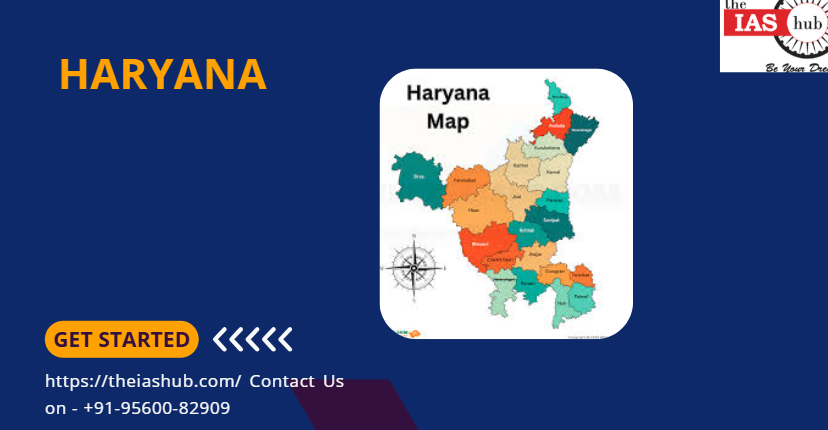

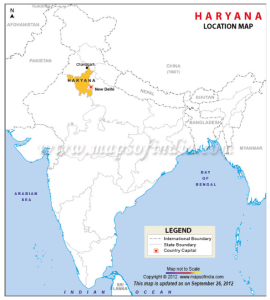
Courtesy: Maps of India
The name of Haryana instantly conjures up the image of a State which astonishingly combines both-antiquity and plenty. The Vedic land of Haryana has been a cradle of Indian culture and civilization. Indian traditions regard this region as the matrix of creation of northern altar’ where Brahma performed the pristine sacrifice and created the universe. This theory of creation has been confirmed to a large extent by archaeological investigations carried out by Guy E. Pilgrim in 1915, who has established that 15 million years ago, early man lived in the Haryana Shivaliks. The Vamana Purana states that King Kuru ploughed the field of Kurukshetra with a golden ploughshare drawn by the Nandi of Lord Shiva and reclaimed an area of seven Kosas. Replete with myths, legends and vedic references, Haryana’s past is steeped in glory. It was on this soil that saint Ved Vyas wrote Mahabharata. It was here, 5,000 long years ago that Lord Krishna preached the gospel of duty to Arjuna at the on set of the great battle of Mahabharata:”Your right is to do your duty and not to bother about the fruits (Outcome) thereof !” Since then, this philosophy of the supremacy of duty has become a beacon to succeeding generations
Haryana, a key northern state of India, plays an important role in the country’s agricultural and industrial framework. Known for its prosperous farming and rich heritage, the state blends historical significance with rapid economic development. Spanning 44,212 square kilometers, it is the 21st-largest state in India by area. As per the 2011 Census, Haryana has a population of over 25 million. Chandigarh, the shared capital with Punjab, serves as an administrative hub, while cities like Faridabad, Gurugram, and Rohtak serve as regional economic and industrial centers.
Also Read: List of Indian States And Their Capitals
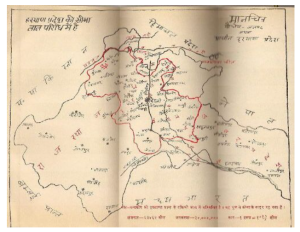
Haryana has a long historical timeline that includes ancient Indus Valley Civilization settlements. The region was part of the Kuru Kingdom in the Mahabharata era and later witnessed the rise of powerful empires like the Mauryas and Guptas. The area played a crucial role in the Indian independence movement, particularly during the 1857 revolt. Post-independence, Haryana was carved out of Punjab in 1966 under the Punjab Reorganisation Act.
Also Read: Andhra Pradesh
Haryana is located in northern India, bordered by Punjab and Himachal Pradesh to the north, Uttarakhand and Uttar Pradesh to the east, Rajasthan to the south and west, and Delhi to the southeast.
| Category | Details |
| Geographical Features | – Indo-Gangetic Plain (dominant landform) |
| – Aravalli Range (southern and southwestern parts) | |
| – River systems: Yamuna, Ghaggar, Markanda, Saraswati (seasonal) | |
| – Longest river: Yamuna (~376 km in Haryana) | |
| – Shortest major river: Ghaggar (~320 km in Haryana) | |
| – Highest point: Karoh Peak (Aravalli Range, ~900 m) | |
| – Lowest point: Yamuna floodplain (~200 m) | |
| – Fertile alluvial soil (part of the Indo-Gangetic plains) | |
| – Limited mineral resources but rich groundwater reserves | |
| Climate Type | Semi-arid to Sub-tropical |
| Seasons | – Summer (Apr-Jun): Hot and dry (up to 47°C) |
| – Monsoon (Jul-Sep): Moderate rainfall (SW monsoon) | |
| – Post-Monsoon (Oct-Nov): Pleasant with occasional showers | |
| – Winter (Dec-Feb): Cold (can drop to 1-4°C in some areas) | |
| Climate Variation | – Southern Aravalli region: Slightly cooler with less rainfall |
| – Central plains: Extreme temperatures (hot summers, cold winters) | |
| – Northwestern regions (Hisar, Bhiwani): Drier with less rainfall | |
| – Eastern parts (near Yamuna): More humid with higher rainfall |
Also Read: Arunachal Pradesh
[metaslider id=”5575″]
As per the 2011 Census, Haryana had a population of 25.4 million. The population density stands at 573 persons per square kilometer. The sex ratio is 879 females per 1000 males, below the national average.
Literacy Rate: The state recorded a literacy rate of 76.6%, with male literacy at 85.4% and female literacy at 66.8%.
Languages Spoken:
Also Read: Chattisgarh
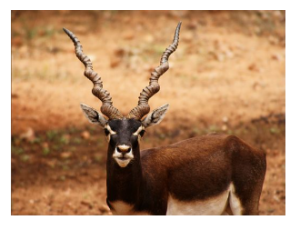
Each state has its own symbols. Following are the state symbols of Haryana:
| Symbol | Name |
| State Animal | Blackbuck |
| State Bird | Black Francolin |
| State Tree | Peepal (Sacred Fig) |
| State Flower | Lotus |
These symbols reflect Haryana’s cultural heritage and ecological diversity.
Also Read: Assam
Haryana follows a unicameral legislature, consisting of the Legislative Assembly (Vidhan Sabha).
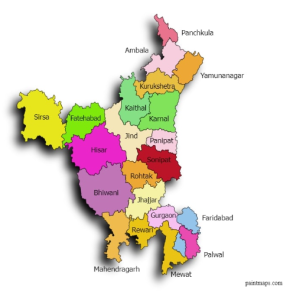
Courtesy: Paint Maps
| Category | Details |
| State Formation | Formed on November 1, 1966 (under Punjab Reorganisation Act). |
| Chief Minister | Nayab Singh Saini (Since 2024) |
| – Party: Bharatiya Janata Party (BJP) | |
| – Focus: Infrastructure, agriculture, industrial growth | |
| Governor | Bandaru Dattatreya |
| – In office since July 15, 2021 | |
| Chief Justice (High Court) | Hon’ble Justice Sheel Nagu |
| – Assumed office: 2024 | |
| – High Court located in Chandigarh (shared with Punjab) | |
| Legislature Type | Unicameral (Legislative Assembly) |
| Legislative Assembly Members | 90 elected members |
| Lok Sabha Representation | 10 Members |
| Rajya Sabha Representation | 5 Members (indirectly elected) |
| Districts | 22 (as of 2024) |
| Local Governance Units | Divided into divisions, districts, tehsils, and gram panchayats |
Also Read: Bihar
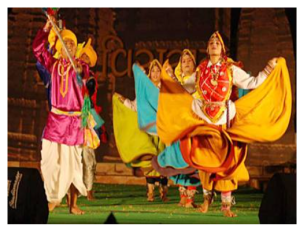
Haryana’s culture reflects a vibrant blend of folk traditions, festivals, and art forms shaped by its agrarian roots, martial heritage, and historical influences.
| Category | Details |
| National Parks in Haryana | Haryana has two national parks: 1. Sultanpur National Park (Gurgaon district) 2. Kalesar National Park (Yamunanagar district) |
| Largest Wildlife Sanctuary | Kalesar Wildlife Sanctuary (Yamunanagar district) – Area: 13,209 acres (53.5 sq. km) – Key Features: Protects leopards, deer, and a variety of bird species. |
| Notable Wildlife Sanctuaries | Sultanpur Bird Sanctuary (Gurgaon district) – Key Features: A major birdwatching destination, especially for migratory birds. Bhindawas Wildlife Sanctuary (Jhajjar district) – Key Features: Largest freshwater wetland in Haryana, home to over 250 bird species. Chhilchhila Wildlife Sanctuary (Kurukshetra district) – Key Features: Known for its biodiversity and scenic landscapes. |
| Neighboring States and Boundaries | Uttar Pradesh to the east, Uttarakhand to the northeast, Himachal Pradesh to the north, Punjab to the northwest, Rajasthan to the west and south, and Delhi (NCT) to the south. Haryana is a landlocked state with no coastline. |
| Ramsar Sites in Haryana | Sultanpur National Park (2021) – Known for: Critical habitat for migratory and resident birds. Bhindawas Wildlife Sanctuary (2021) – Known for: Largest man-made freshwater wetland in Haryana. |
| UNESCO World Heritage Sites | Haryana does not have any UNESCO World Heritage Sites. |
| Tiger Reserves in Haryana | Haryana does not have any tiger reserves. |
Key Takeaways:
The economy of Haryana is primarily agrarian, with strong contributions from agriculture, food processing, and manufacturing, supported by a robust transport network.
| Category | Details |
| Key Sectors | Agriculture: Major producer of wheat, rice, and mustard. Automobiles: Gurgaon-Manesar-Faridabad belt is a hub for auto manufacturing (Maruti, Hero MotoCorp). IT & Services: Gurgaon is a major IT and corporate hub. Textiles: Panipat is known as the “Textile City of India.” Renewable Energy: Growing solar and wind energy sector. |
| Major Projects | Delhi-Mumbai Industrial Corridor (DMIC): Includes nodes in Sonipat and Kundli. Kundli-Manesar-Palwal (KMP) Expressway: Enhances logistics and connectivity. Rajiv Gandhi Education City: Aims to boost higher education infrastructure. Metro Expansion: Rapid Metro (Gurgaon) and upcoming Faridabad Metro extensions. |
| Economic Overview | GSDP for 2023–24: ₹10.5 lakh crore, with a growth rate of 8.2%. Sector-wise Contribution (2023–24): – Agriculture and Allied: 18% – Industry: 35% – Services: 47% Haryana has a diversified economy with strong industrial and service sectors. |
| Major Economic Centres | Gurgaon (Gurugram): IT, corporate HQs, and finance. Faridabad: Manufacturing and industrial hub. Panipat: Textiles and petrochemicals. Sonipat: Education and logistics. Ambala: Defense and pharmaceuticals. |
| District-wise Economic Contribution | Gurgaon: ₹3.2 lakh crore Faridabad: ₹1.8 lakh crore Sonipat: ₹1.1 lakh crore Panipat: ₹0.9 lakh crore Ambala: ₹0.7 lakh crore Gurgaon leads due to IT, real estate, and corporate investments. |
| Important Industrial Infrastructure | Maruti Suzuki (Gurgaon & Manesar): Largest car manufacturer in India. Panipat Refinery: Key oil refinery (Indian Oil Corporation). IMT Manesar: Major industrial and manufacturing hub. Rajiv Gandhi Technology Park (Gurgaon): IT and corporate hub. |
Key Takeaways:
Haryana has limited mineral resources, primarily supporting construction and industrial sectors:
| Mineral Resource | Major Mining Areas / Districts | Details / Notes |
| Sand & Gravel | Yamuna Nagar, Faridabad, Palwal | – Extracted from Yamuna and other riverbeds for construction. – Regulated mining due to environmental concerns. |
| Clay | Gurgaon, Faridabad, Rewari | – Used in brick-making and ceramics. – Supports Haryana’s construction industry. |
| Gypsum | Mahendragarh, Bhiwani | – Used in cement and soil conditioning. – Limited deposits, mostly supplemented by imports. |
| Salt (Sodium Chloride) | Sirsa, Fatehabad | – Mined from small salt pans in arid zones. – Minimal commercial production. |
| Silica Sand | Faridabad, Gurgaon | – Used in glass and foundry industries. – Mined from Aravalli foothills. |
| Limestone | Mahendragarh, Bhiwani | – Minor deposits used in cement manufacturing. – Not economically significant. |
| Building Stones | Aravalli region (Faridabad, Gurgaon) | – Crushed stone used in construction. – Mining restricted in ecologically sensitive zones. |
[metaslider id=”5575″]
Olympic Medal Winners of Haryana
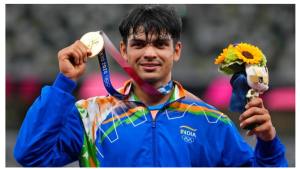
Following is the list of all Olympic medal winners from Haryana:
| Athlete | Sport | Event | Medal | Olympic Year | Olympics Host City |
| Vijender Singh | Boxing | Middleweight (75 kg) | Bronze | 2008 | Beijing |
| Sushil Kumar | Wrestling | Freestyle (66 kg) | Bronze | 2008 | Beijing |
| Yogeshwar Dutt | Wrestling | Freestyle (60 kg) | Bronze | 2012 | London |
| Sushil Kumar | Wrestling | Freestyle (66 kg) | Silver | 2012 | London |
| Sakshi Malik | Wrestling | Freestyle (58 kg) | Bronze | 2016 | Rio de Janeiro |
| Neeraj Chopra | Athletics | Javelin Throw | Gold | 2020 (2021) | Tokyo |
| Ravi Kumar Dahiya | Wrestling | Freestyle (57 kg) | Silver | 2020 (2021) | Tokyo |
| Bajrang Punia | Wrestling | Freestyle (65 kg) | Bronze | 2020 (2021) | Tokyo |
Unique and Notable Facts about Haryana
Are you preparing for UPSC 2025? Join IAShub’s UPSC coaching batches to boost your preparation. Enroll now!
Haryana, with its fertile plains, and cultural diversity, is central to India’s North in both geography and governance. The state reflects a dynamic blend of tradition and development. For civil service aspirants and policy observers, Haryana offers a critical case study in regional growth and federal integration.

Haryana has two national parks: Sultanpur National Park in Gurgaon and Kalesar National Park in Yamunanagar. Sultanpur is known for migratory birds, while Kalesar preserves wildlife in the Shivalik foothills. Both parks play a key role in protecting the region’s biodiversity.
Haryana’s economy is driven by agriculture, automobile manufacturing, IT services, textiles, and food processing. Gurgaon is a major IT and corporate hub, while Faridabad and Panipat lead in manufacturing and textiles. The automobile sector is anchored by Maruti Suzuki and Hero MotoCorp.
The main rivers of Haryana include the Yamuna, Ghaggar, Markanda, and the seasonal Saraswati. The Yamuna forms the eastern boundary and is crucial for irrigation and drinking water. Ghaggar and other rivers support agriculture, especially in central and southern districts.
Haryana has produced several Olympic medalists like Neeraj Chopra, Sushil Kumar, Sakshi Malik, and Bajrang Punia. They’ve won medals in athletics, wrestling, and boxing, earning Haryana the title of India’s sports powerhouse. These athletes have inspired a strong sports culture in the state.

Refine your answer writing skills and elevate your UPSC preparation with personalized support and expert feedback.
Fill out the form to get started with the program or any other enquiries !



Are you dreaming of becoming an IAS officer? Then, IAShub can be your best guide. It is one of the Best IAS Coaching in Delhi. Many students who want to clear the UPSC exam join IAShub for learning. The institute gives both online and offline classes. Their teachers are experienced and helpful. They easily explain every topic. Students also get notes, tests, and tips to do well in the exam.
IAShub is in Delhi and is trusted by many UPSC students. It offers coaching for every part of the UPSC exam – Prelims, Mains, and Interview. The classes are simple and easy to understand. The teachers are experts and guide students in the right way. IAShub is also known for its helpful notes, test series, and answer-writing practice. IAShub is the best coaching in Delhi and also gives UPSC Online Classes. This helps students from any place in India to learn. The online classes are live and also recorded. So, students can watch them anytime. These classes cover the full UPSC syllabus.
Here are some important services provided by IAShub:
The UPSC Civil Services Exam has three parts:
This exam is tough, but with the right guidance, it becomes easy to manage. Students must study smart and stay regular.
IAShub supports students from the beginning to the end. It gives the right books, tests, and notes. The classes are easy to follow, and the teachers are always ready to help. Students get personal doubt sessions too. The test series and answer checking help students learn where they need to do better. Also, free study materials save time and money.
IAShub also guides students during the final stage – the interview. Experts take mock interviews and give useful tips. This full support makes IAShub one of the best IAS coaching in Delhi.
Join 50,000+ UPSC Aspirants! 🚀
Get Free UPSC/IAS Study Materials, Daily Current Affairs, Editorial Summaries & Exam Updates.
Join Telegram Channel