
















Explore Tripura’s rich history, unique polity, vibrant culture, major rivers, national parks, and growing economy. Discover its biodiversity, festivals, border trade, and key government initiatives that make Tripura a vital part of Northeast India.
 theIAShub | 30 May, 2025 | 8015 | 0 |

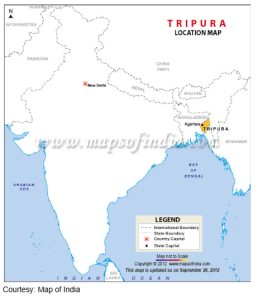
Tripura, located in the northeastern region of India, is one of the smallest states in the country by area but holds immense historical and cultural significance. Bordered by Bangladesh on three sides, Tripura serves as a key node for cross-border cultural and economic interactions. Covering 10,491 square kilometers, it ranks 27th in India by area. According to the 2011 Census, Tripura has a population of over 3.6 million. Agartala, situated near the western border, serves as the state’s capital and administrative center.
Also Read: Operation Sindoor
Tripura’s history is steeped in myth and legend, with roots going back to ancient times and mentions in the Mahabharata and Puranas. Historically ruled by the Manikya dynasty, the kingdom maintained semi-independence even during the Mughal era by accepting tributary status. The monarchy continued during British colonial rule under the system of a princely state.
Tripura acceded to the Indian Union on 15 October 1949. It became a Union Territory and was later granted full statehood on 21 January 1972. The state’s modern political journey includes periods of insurgency and tribal assertion, later stabilized through governance reforms and development efforts.
Also Read: Andhra Pradesh
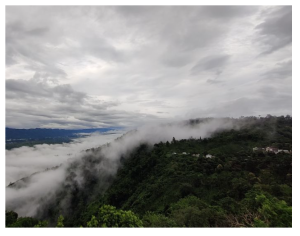
Tripura is bordered by Assam and Mizoram to the east and surrounded by Bangladesh to the north, west, and south. Its geographical layout includes:
| Category | Name | Details |
| Highest Peak | Betling Shib (Betalongchhip) | – Elevation: ~939 m (3,080 ft) – Location: Jampui Hills, North Tripura – Significance: Highest point in Tripura; known for panoramic views and cool climate. |
| Smallest Recognized Elevation | Lower hillocks (Atharamura & Deotamura ranges) | – Elevation: 150–300 m – Note: No formally designated “smallest peak.” These hillocks transition between highlands and plains. |
| Important Mountain Passes | 1. Jampui Pass 2. Sakhantang Pass 3. Baramura Pass 4. South Baramura Gap 5. Sipahijola Ridge Pass |
– 1. Jampui Pass: North Tripura; connects to Mizoram (tourism, horticulture). – 2. Sakhantang Pass: Near Mizoram border; historic tribal trade route. – 3. Baramura Pass: West Tripura; transport corridor to Agartala. – 4. South Baramura Gap: Near Khowai; supports road/communication infrastructure. – 5. Sipahijola Ridge Pass: Sepahijala district; minor forest access route. |
| Major Rivers | 1. Gomati River 2. Manu River 3. Khowai River 4. Feni River 5. Muhuri River |
– 1. Gomati: Originates in Boromura hills, flows into Bangladesh. – 2. Manu: Longest in Tripura; flows north into Bangladesh. – 3. Khowai: Central Tripura; enters Bangladesh. – 4. Feni: Southern Tripura; key for Indo-Bangladesh water sharing. – 5. Muhuri: Southern boundary river with Bangladesh. |
Climate: Tripura experiences a tropical savanna climate:
Due to its geographical setting, Tripura receives substantial rainfall and is prone to seasonal flooding and occasional landslides in hilly areas. The state’s biodiversity is supported by its humid climate and forest cover.
Also Read: Arunachal Pradesh
[metaslider id=”5575″]
Tripura is located in the northeastern region of India and is strategically bordered by one Indian state and an international boundary.
| Category | Details |
| Domestic Borders | • East: Assam and Mizoram |
| International Border | • North, West, and South: Bangladesh • Key Fact: Over 85% of Tripura’s border is shared with Bangladesh, fostering cultural and economic ties. |
| Geography | Compact state with hilly terrain and river valleys; strategic connectivity with Bangladesh. |
| Population (2011 Census) | • Total: 3.67 million • Density: 350 persons/km² • Sex Ratio: 960 females per 1000 males |
| Literacy Rate | • Overall: 87.2% • Male: 91.5% • Female: 82.7% |
| Languages Spoken | • Official: Bengali • Tribal Official Language: Kokborok • Others: Hindi, Manipuri, Chakma, Halam, Reang, and other tribal languages. |
Also Read: Chattisgarh
Following are the state symbols for Tripura:

| Symbol | Name |
| State Animal | Phayre’s Langur (Trachypithecus phayrei) |
| State Bird | Green Imperial Pigeon (Ducula aenea) |
| State Tree | Agarwood (Aquilaria malaccensis) |
| State Flower | Mesua ferrea (locally called Nagkesar) |
These symbols reflect Tripura’s rich biodiversity and ecological significance.
Also Read: Assam
Tripura has a unicameral legislature with 60 elected members. The state functions under the Indian Constitution and has representation in both houses of Parliament.
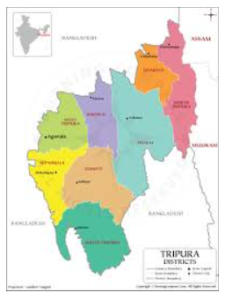
| Category | Details |
| Statehood | It became a full-fledged state of India on 21 January 1972. |
| Chief Minister | Manik Saha (BJP) • Assumed office: May 2022 • Focus areas: Development, tribal welfare, governance reforms. |
| Governor | Indrasena Reddy Nallu • Assumed office: October 2023 • Known for active public administration. |
| Judiciary | High Court: Tripura High Court (Agartala) Chief Justice: Hon’ble Justice Aparesh Kumar Singh (since April 2023; previously served in Jharkhand HC). |
| Parliamentary Representation | • Lok Sabha: 2 seats • Rajya Sabha: 1 seat. |
| State Legislature | • Unicameral (60 MLAs). |
| Administrative Divisions | • Districts: 8 (as of 2023) • Subdivisions, Blocks, Gram Panchayats for decentralized governance. |
Also Read: Bihar
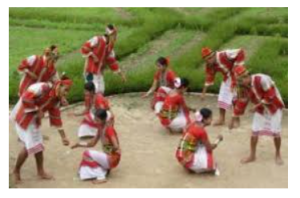
Tripura’s culture is shaped by its indigenous tribal communities and Bengali influences. The state is home to groups like Tripuri, Reang, Jamatia, and Chakma, creating a diverse cultural mosaic. Traditions include folk music, bamboo crafts, textile weaving, and spiritual practices.
| Category | Details |
| Classical & Tribal Dance | • Garia & Lebang dances: Performed during tribal festivals. • Themes: Agriculture, hunting, folklore. • Unique: Garia dance (during Garia Puja) uses bamboo instruments and group formations symbolizing harmony with nature. |
| Theatre Art | • Traditional: Yatra and folk plays (mythological/moral themes). • Modern: Bengali drama troupes and tribal-language productions. • Notable: Village performances during festivals. |
| Folk Music | • Types: Garia songs (spring rituals), Hojagiri (Reang community), narrative chants. • Instruments: Sarinda, bamboo flute, kham (drum), cymbals. • Highlight: Hojagiri dance—girls balance pots/lamps with grace. |
| Classical Music | • Rooted in tribal heritage, blending devotional and indigenous sounds. • Instruments: Sarinda, sumui (flute), kham. • Purpose: Spiritual teachings, moral stories in rituals. |
| Performance Traditions | • Events: Agricultural festivals, religious ceremonies, storytelling. • Venues: Open spaces, village courtyards, community halls. |
| Major Festivals | • Garia Puja (April): Harvest blessings. • Kharchi Puja: 7-day festival for 14 deities. • Ker Puja: Community welfare. • Bizu (Chakma New Year), Buisu (Tripuri New Year): Dances, feasts. • Hindu/Muslim/Christian festivals: Widely celebrated. |
| Arts & Crafts | • Silk Weaving: Mulberry silk textiles. • Cane/Bamboo Work: Mats, baskets, decor. • Wood Carving: Temple/home adornments. • Terracotta/Pottery: Tribal artistry. |
| Architecture | • Temples: Tripura Sundari Temple (traditional design). • Palaces: Ujjayanta Palace (Indo-Saracenic style). • Stilt Houses: Bamboo homes in flood-prone areas. |
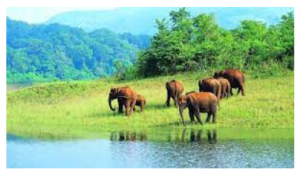
Tripura boasts rich biodiversity, with several protected areas hosting rare and endangered species.
| Category | Name | Details |
| National Parks | 1. Bison (Rajbari) National Park | • Location: Within Trishna Wildlife Sanctuary • Key Species: Indian Gaur (Bison), Hoolock Gibbon, Golden Langur • Area: ~31.63 sq. km |
| 2. Clouded Leopard National Park | • Location: Within Sepahijala Wildlife Sanctuary • Key Species: Clouded Leopard, diverse birds • Area: ~5.08 sq. km |
|
| Wildlife Sanctuaries | Sepahijala Wildlife Sanctuary | • Key Species: Clouded Leopard, rich avian fauna |
| Trishna Wildlife Sanctuary | • Key Species: Indian Gaur, Hoolock Gibbon, diverse flora | |
| Gumti Wildlife Sanctuary | • Key Species: Elephants, serow, various birds | |
| Rowa Wildlife Sanctuary | • Key Species: Small mammals and birds | |
| Ramsar Site | Rudrasagar Lake | • Significance: Wetland of international importance • Features: Rich aquatic biodiversity |
| UNESCO World Heritage Sites | None | • Tripura currently has no inscribed UNESCO World Heritage Sites. |
| Tiger Reserves | None | • No officially recognized tiger reserves under Project Tiger. |
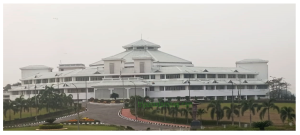
The economy of Tripura is mixed, with agriculture as the primary sector, supported by natural gas, rubber and bamboo production, tourism, and services.
| Category | Details |
| Key Economic Sectors | • Agriculture: Rice, pineapple, jackfruit, pulses, oilseeds • Plantation Economy: 2nd largest rubber producer in India • Petroleum & Natural Gas: Proven reserves with gas-based power plants • Forestry: Bamboo, timber, medicinal plants • Tourism: Unakoti (rock carvings), Neermahal (water palace), Jampui Hills |
| Major Projects | • ONGC-Tripura Power Company (OTPC) Gas Power Project • Tripura Gas Pipeline Network • Tripura Skill Development Mission • India-Bangladesh Connectivity Projects (Agartala-Akhaura rail, inland waterways) |
| Economic Overview (2023-24) | • GSDP: ₹0.87 lakh crore • Growth Rate: 8.1% • Sectoral Contribution: – Agriculture: 25% – Industry: 20% – Services: 55% |
| Major Economic Centers | • Agartala: Commercial/logistics hub • Udaipur: Religious tourism & trade • Dharmanagar: Cross-border trade • Ambassa: Agro-industries • Belonia: India-Bangladesh trade |
| District-wise Economy | West Tripura (Agartala), South Tripura, North Tripura, Dhalai, Gomati |
| Transport Hubs | • Air: Maharaja Bir Bikram Airport (International) • Rail: Broad-gauge links to Assam & Bangladesh • Road: NH-8, NH-108B • Agartala-Akhaura Rail: Cross-border project • Integrated Check Posts: Agartala, Sabroom |
| Unique Facts | • Heritage: Unakoti rock carvings (1,000+ yrs old) • Neermahal: NE’s only water palace • Tribes: 19 Scheduled Tribes (Reang, Tripuri etc.) • Border Economy: Critical Bangladesh trade links • Rubber: #2 producer in India • Literacy: Highest in Northeast • Bamboo Mission: Model industry program |
[metaslider id=”5575″]
Tripura is one of the 7 sisters of Northeastern India and the Government seeks to develop it as the trade and exports hub for South-east Asia.
| Scheme/Program | Objective | Key Features | Special Notes |
| Tripura Urban Employment Program (TUEP) | Provide wage employment through urban infrastructure development | Community-based labor schemes for semi-skilled/unskilled workers | Reduces unemployment while improving civic infrastructure |
| Tripura Health Assurance Mission (Ayushman Tripura) | Supplement Ayushman Bharat with state-level coverage | ₹5 lakh annual coverage per family for secondary/tertiary care | Empaneled hospitals both within and outside Tripura |
| Mukhyamantri Swanirbhar Parivar Yojana | Promote family-based micro enterprises | ₹1 lakh financial package to SHGs/individuals | Focus on agriculture, horticulture, fisheries and petty trade |
| Chief Minister’s Model Village Scheme (CM-MVS) | Holistic rural development | Convergence of welfare schemes | Focus on infrastructure, health, education and livelihoods |
| Nutan Disha Program | Improve school education quality | Learning assessments, remedial teaching | Phased implementation across all districts |
| e-District Tripura Portal | Electronic service delivery | Online certificates, licenses, applications | Available in all 8 districts with grievance redressal |
| My Tripura – My Pride Campaign | Community-driven civic development | Public participation in cleanliness drives | Focus on tourism maintenance and green initiatives |
| Tripura Border Area Development Programme (BADP) | Develop border infrastructure | Schools, health centers in border zones | Centrally sponsored scheme |
| PMGSY – Tripura Focus | Improve rural road connectivity | Bamboo bridges, climate-resilient roads | Special focus on border regions |
| Tripura Industrial Investment Promotion Scheme | Attract private investment | Industrial parks development | Focus sectors: food processing, bamboo, IT |
Key Highlights:
Are you preparing for UPSC 2025? Join IAShub’s UPSC coaching batches to boost your preparation. Enroll now!
Tripura, with its forested hills, fertile valleys, and rich cultural mosaic, is central to India’s Northeast in both geography and governance. From rubber plantations and vibrant tribal traditions to grassroots entrepreneurship and emerging transport corridors, the state reflects a dynamic blend of heritage and development. For civil service aspirants and policy observers, Tripura offers a critical case study in regional growth and federal integration.

The Gomati and Manu are Tripura’s major rivers, along with tributaries like Haora, Khowai, and Muhuri, which support agriculture, fisheries, and water management.
Tripura’s culture blends tribal and Bengali traditions, expressed through festivals like Garia Puja and Durga Puja, dance forms like Hojagiri, and crafts like bamboo and cane weaving.
Tripura has one national park—Clouded Leopard National Park—and several wildlife sanctuaries like Sepahijala, Trishna, and Rowa, known for their biodiversity and eco-tourism value.
Tripura’s economy is driven by agriculture, rubber and bamboo-based industries, natural gas, and growing infrastructure and cross-border trade, with Agartala as the state’s commercial hub.


Refine your answer writing skills and elevate your UPSC preparation with personalized support and expert feedback.
Fill out the form to get started with the program or any other enquiries !



Are you dreaming of becoming an IAS officer? Then, IAShub can be your best guide. It is one of the Best IAS Coaching in Delhi. Many students who want to clear the UPSC exam join IAShub for learning. The institute gives both online and offline classes. Their teachers are experienced and helpful. They easily explain every topic. Students also get notes, tests, and tips to do well in the exam.
IAShub is in Delhi and is trusted by many UPSC students. It offers coaching for every part of the UPSC exam – Prelims, Mains, and Interview. The classes are simple and easy to understand. The teachers are experts and guide students in the right way. IAShub is also known for its helpful notes, test series, and answer-writing practice. IAShub is the best coaching in Delhi and also gives UPSC Online Classes. This helps students from any place in India to learn. The online classes are live and also recorded. So, students can watch them anytime. These classes cover the full UPSC syllabus.
Here are some important services provided by IAShub:
The UPSC Civil Services Exam has three parts:
This exam is tough, but with the right guidance, it becomes easy to manage. Students must study smart and stay regular.
IAShub supports students from the beginning to the end. It gives the right books, tests, and notes. The classes are easy to follow, and the teachers are always ready to help. Students get personal doubt sessions too. The test series and answer checking help students learn where they need to do better. Also, free study materials save time and money.
IAShub also guides students during the final stage – the interview. Experts take mock interviews and give useful tips. This full support makes IAShub one of the best IAS coaching in Delhi.

Join 50,000+ UPSC Aspirants! 🚀
Get Free UPSC/IAS Study Materials, Daily Current Affairs, Editorial Summaries & Exam Updates.
Join Telegram Channel