
















Explore Punjab’s rich heritage including its history, polity, rivers, culture, festivals, wildlife sanctuaries, and economic profile. Learn about major cities, agriculture, Sikh traditions, handicrafts, and key geographical features of the state.
 theIAShub | 28 May, 2025 | 17807 | 0 |

Punjab, a key northern state of India, plays an important role in the country’s agricultural and cultural framework. Known for its fertile land and vibrant traditions, the state blends historical significance with modern agricultural growth. Spanning 50,362 square kilometers, it is the 20th-largest state in India by area. As per the 2011 Census, Punjab has a population of over 27 million. Chandigarh, the shared capital with Haryana, serves as an administrative hub, while cities like Amritsar, Ludhiana, and Jalandhar serve as regional economic and cultural centers.
Also Read: Operation Sindoor
Punjab has a long historical timeline that includes ancient Indus Valley Civilization settlements. The region saw the rise of powerful empires like the Mauryas, Guptas, and later the Sikh Empire under Maharaja Ranjit Singh. These rulers contributed to the region’s military and administrative systems.
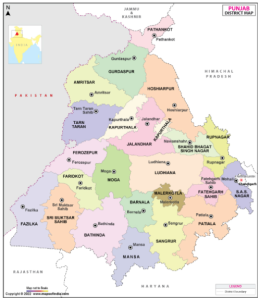
Image: Maps of India
The Sikh Empire left a lasting legacy through its governance and resistance against foreign invasions. After its fall, Punjab came under British rule and became a major center of the Indian independence movement. Post-independence, the state was reorganized in 1966 under the Punjab Reorganisation Act.
Also Read: Andhra Pradesh
Punjab is located in northwestern India, bordered by Jammu and Kashmir to the north, Himachal Pradesh to the northeast, Haryana to the south and southeast, Rajasthan to the southwest, and Pakistan to the west.
| Category | Details |
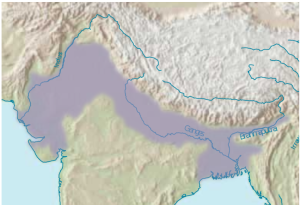
| Geographical Features | – Indo-Gangetic Plain (dominant landform) – Shivalik Hills (foothills of Himalayas in northeast) – River systems: Sutlej, Beas, Ravi, Chenab, Jhelum – Longest river: Sutlej (~1,500 km in Punjab region) – Shortest major river: Ravi (~725 km in Punjab) – Highest point: Pathankot district (Shivalik foothills, ~1,000 m) – Lowest point: Fazilka (near India-Pakistan border, ~180 m) – Fertile alluvial soil (world’s most extensive irrigation system) – Limited mineral resources but rich groundwater reserves |
| Climate Type | Semi-arid to Sub-tropical |
| Seasons | – Summer (Apr-Jun): Hot and dry (up to 45°C) – Monsoon (Jul-Sep): Moderate rainfall (SW monsoon) – Post-Monsoon (Oct-Nov): Pleasant with occasional showers – Winter (Dec-Feb): Cold (can drop to 0°C in some areas) |
| Climate Variation | – Northern foothills (Shivaliks): Cooler with moderate rainfall – Central plains: Extreme temperatures (hot summers, cold winters) – Southwestern regions (Malwa): Drier with less rainfall – Border areas (Fazilka, Ferozepur): Semi-arid conditions |
Also Read: Arunachal Pradesh
[metaslider id=”5575″]
Demographics of Punjab
As per the 2011 Census, Punjab had a population of 27.7 million. The population density stands at 551 persons per square kilometer. The sex ratio is 895 females per 1000 males, below the national average.
Literacy Rate: The state recorded a literacy rate of 75.8%, with male literacy at 80.4% and female literacy at 70.7%.
Languages Spoken:
State Symbols of Punjab
Each state has its own symbols. Following are the state symbols of Punjab:
| Symbol | Name |
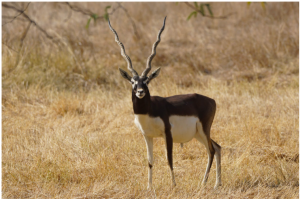
| State Animal | Blackbuck |
| State Bird | Northern Goshawk |
| State Tree | Sheesham (Indian Rosewood) |
| State Flower | Gladiolus |
These symbols reflect Punjab’s cultural heritage and ecological diversity.
Punjab Polity and Administrative Structure
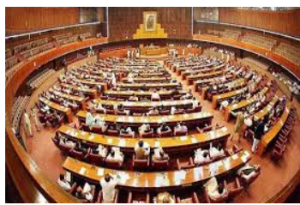 Punjab follows a unicameral legislature, consisting of the Legislative Assembly (Vidhan Sabha).
| Category | Details |
| State Formation | Formed on November 1, 1966 (reorganized under Punjab Reorganisation Act). |
| Chief Minister | Bhagwant Mann (Since 2022) – Party: Aam Aadmi Party – Focus: Education, healthcare, agriculture |
| Governor | Banwarilal Purohit – In office since August 31, 2021 |
| Chief Justice (High Court) | Hon’ble Justice Ravi Shankar Jha – Assumed office: October 10, 2023 – High Court located in Chandigarh (shared with Haryana) |
| Legislature Type | Unicameral (Legislative Assembly) |
| Legislative Assembly Members | 117 elected members |
| Lok Sabha Representation | 13 Members |
| Rajya Sabha Representation | 7 Members (indirectly elected) |
| Districts | 23 (as of 2024) |
| Local Governance Units | Divided into divisions, districts, tehsils, and gram panchayats |
Also Read: Chattisgarh
Culture and Traditions of Punjab
Punjab’s culture reflects a vibrant blend of folk traditions, festivals, and art forms shaped by its agrarian roots, Sikh heritage, and cross-border influences.
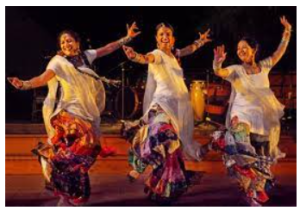
| Category | Details |
| Classical Dance of Punjab | Kathak and Giddha are prominent. |
| Giddha | – A traditional folk dance performed by women. – Features: Colorful attire, rhythmic clapping, and lively songs. – Themes: Everyday life, love, social issues, and festivals. – Unique Aspect: No musical instruments; only dholak and vocal singing accompany the dance. |
| Theatre Art of Punjab | Punjab has a vibrant tradition of folk and modern theatre. |
| Swang | Folk theatre blending music, dance, and drama, often with moral or satirical themes. |
| Nautanki | A popular rural theatre form with rhythmic dialogues and folk music. |
| Puppetry (Kathputli) | String puppetry depicting folk tales and historical legends. |
| Folk Music of Punjab | Reflects the state’s agrarian roots and warrior spirit. |
| Bhangra | Energetic dance and music performed during harvest festivals, featuring dhol beats. |
| Tappa | Fast-paced, rhythmic folk songs often sung in fairs and weddings. |
| Jugni | Poetic folk songs expressing love, social commentary, and Sufi influences. |
| Classical Music in Punjab | Punjab has strong ties to Hindustani classical music and Sufi traditions. |
| Performance Traditions | Qawwalis, Gurmat Sangeet (Sikh devotional music), and folk concerts are integral. |
| Festivals | – Lohri: Bonfire festival marking winter solstice, celebrated with dancing and feasting. – Baisakhi: Harvest festival and Sikh New Year, marked by fairs and Bhangra performances. – Gurpurab: Birth anniversaries of Sikh Gurus, observed with prayers and processions. – Diwali, Eid, and Christmas widely celebrated. – Hola Mohalla: Martial arts displays and mock battles by Nihang Sikhs. |
| Arts and Crafts | Punjab boasts a rich legacy of handicrafts and traditional arts. |
| Phulkari Embroidery | Vibrant floral embroidery on shawls and dupattas. |
| Punjabi Jutti | Handcrafted leather footwear with intricate designs. |
| Wooden Carving | Ornamental furniture and decorative items made from sheesham wood. |
| Patiala Salwar | Distinctive loose-fitting trousers, part of traditional Punjabi attire. |
| Architecture | Punjab showcases a mix of Mughal, Sikh, and colonial styles. |
| Golden Temple (Harmandir Sahib) | Holiest Sikh shrine with gold-plated dome and serene sarovar. |
| Jallianwala Bagh | Historic memorial of the 1919 massacre. |
| Sheesh Mahal, Patiala | Palace with intricate mirror work and frescoes. |
| Qila Mubarak, Bathinda | Ancient fort with historical significance. |
Also Read: Assam
Punjab is home to diverse ecosystems, ranging from fertile plains to wetlands, preserved in its wildlife sanctuaries and conservation reserves.
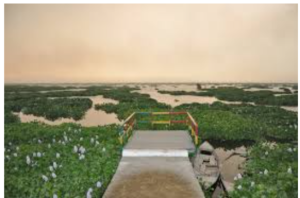
| Category | Details |
| National Parks in Punjab | Punjab does not have any designated national parks, but it has several wildlife sanctuaries and conservation reserves. |
| Largest Wildlife Sanctuary | Abohar Wildlife Sanctuary (Fazilka district) – Area: 188.5 sq. km – Key Features: Protects the endangered blackbuck and is spread over private and community lands. |
| Notable Wildlife Sanctuaries | Harike Wildlife Sanctuary (Ferozepur district) – Key Features: One of the largest wetlands in North India, home to migratory birds. Bir Moti Bagh Wildlife Sanctuary (Patiala district) – Key Features: Supports deer, wild boar, and peafowl. Jhajjar Bacholi Wildlife Sanctuary (Rupnagar district) – Key Features: Known for its biodiversity and scenic landscapes. |
| Neighboring States and Boundaries | Jammu & Kashmir to the north, Himachal Pradesh to the northeast, Haryana to the south, Rajasthan to the southwest, and Pakistan to the west. Punjab is a landlocked state with no coastline. |
| Ramsar Sites in Punjab | Harike Wetland (1990) – Known for: Critical habitat for migratory birds like the Siberian crane. Kanjli Wetland (2002) – Known for: Supports diverse aquatic life and waterfowl. Ropar Wetland (2002) – Known for: Man-made freshwater wetland with rich biodiversity. |
| UNESCO World Heritage Sites | Punjab does not have any UNESCO World Heritage Sites. |
| Tiger Reserves in Punjab | Punjab does not have any tiger reserves. |
Also Read: National Parks in India
The economy of Punjab is primarily agrarian, with strong contributions from agriculture, food processing, and manufacturing, supported by a robust transport network.
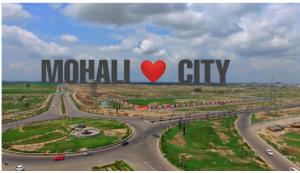
| Category | Details |
| Key Sectors | Agriculture: Punjab is India’s “Granary,” leading in wheat and rice production. Food Processing: Major hub for dairy, wheat flour, and rice milling. Manufacturing: Textiles, sports goods (Jalandhar), and bicycle manufacturing (Ludhiana). Renewable Energy: Growing solar and biomass energy sector. Handicrafts & Textiles: Phulkari embroidery and woolen industries. |
| Major Projects | All India Institutes of Medical Sciences (AIIMS) Bathinda: Boosts healthcare infrastructure. Jalandhar Sports Hub: Development of international-level sports facilities. Punjab Agro Foodgrains Corridor: Enhances food processing and storage. Ludhiana Metro Rail Project: Proposed urban transport upgrade. |
| Economic Overview | GSDP for 2023–24: ₹6.5 lakh crore, with a growth rate of 6.1%. Sector-wise Contribution (2023–24): – Agriculture and Allied: 28% – Industry: 25% – Services: 47% The economy is driven by agriculture, food processing, and light manufacturing. |
| Major Economic Centres | Ludhiana: Manufacturing hub (bicycles, textiles, auto parts). Amritsar: Tourism, handicrafts, and trade (Wagah Border). Jalandhar: Sports goods and leather industry. Mohali (SAS Nagar): IT and tech startups. Bathinda: Petrochemicals (Guru Gobind Singh Refinery). |
| District-wise Economic Contribution | Ludhiana: ₹1.8 lakh crore Amritsar: ₹1.2 lakh crore Jalandhar: ₹0.9 lakh crore Mohali: ₹0.7 lakh crore Patiala: ₹0.6 lakh crore Ludhiana leads due to industrial and manufacturing output. |
| Important Industrial Infrastructure | Ludhiana Industrial Hub: Bicycle, textile, and auto parts manufacturing. Amritsar Trade Centre: Border trade facilitation with Pakistan. Punjab Agri Export Zone (PAEZ): Boosts agricultural exports. Guru Gobind Singh Refinery, Bathinda: Major oil refinery. |
Also Read: Bihar
[metaslider id=”5575″]
Punjab has limited but significant mineral resources, primarily supporting its agriculture and construction sectors.
| Mineral Resource | Major Mining Areas / Districts | Details / Notes |
| Sand & Gravel | Rupnagar, Hoshiarpur, Gurdaspur | – Extracted from riverbeds for construction. – Major source of revenue for local contractors. |
| Clay | Jalandhar, Ludhiana, Patiala | – Used in brick-making and pottery. – Supports Punjab’s thriving brick kiln industry. |
| Gypsum | Ferozepur, Fazilka | – Used in cement and fertilizer production. – Limited deposits, mostly imported from Rajasthan. |
| Salt (Sodium Chloride) | Sangrur, Muktsar | – Mined from salt pans in semi-arid regions. – Small-scale production for local use. |
| Silica Sand | Hoshiarpur, Rupnagar | – Used in glass manufacturing. – Found along riverbanks and mined for industrial use. |
| Limestone | Pathankot, Rupnagar | – Minor deposits used in cement production. – Not a major contributor to the state’s economy. |
| Peat | Ludhiana, Patiala | – Organic deposits used as fuel and soil conditioner. – Limited commercial exploitation. |
Also Read: Statutory Bodies in India
Are you preparing for UPSC 2025? Join IAShub’s UPSC coaching batches to boost your preparation. Enroll now!
Punjab, with its blend of technological advancement, rich history, and diverse ecosystems, stands as a microcosm of India’s cultural and economic progress. A deep understanding of Punjab’s heritage, geography, and development model is essential for UPSC aspirants and researchers examining India’s federal diversity.

The Sutlej, Beas, Ravi, Ghaggar, and Chenab (partially) flow through Punjab, sustaining its agriculture.
Punjab is known for Bhangra/Giddha dances, Sufi music, Lohri/Baisakhi festivals, and langar (community kitchen) at gurdwaras.
Punjab’s economy relies on agriculture (wheat, rice), food processing, textiles, sports goods (Jalandhar), and light manufacturing (Ludhiana).
Punjab has Harike Wetland (Ramsar Site), Abohar Wildlife Sanctuary (blackbuck), and Bir Moti Bagh Sanctuary (deer, peafowl).

Refine your answer writing skills and elevate your UPSC preparation with personalized support and expert feedback.
Fill out the form to get started with the program or any other enquiries !



Are you dreaming of becoming an IAS officer? Then, IAShub can be your best guide. It is one of the Best IAS Coaching in Delhi. Many students who want to clear the UPSC exam join IAShub for learning. The institute gives both online and offline classes. Their teachers are experienced and helpful. They easily explain every topic. Students also get notes, tests, and tips to do well in the exam.
IAShub is in Delhi and is trusted by many UPSC students. It offers coaching for every part of the UPSC exam – Prelims, Mains, and Interview. The classes are simple and easy to understand. The teachers are experts and guide students in the right way. IAShub is also known for its helpful notes, test series, and answer-writing practice. IAShub is the best coaching in Delhi and also gives UPSC Online Classes. This helps students from any place in India to learn. The online classes are live and also recorded. So, students can watch them anytime. These classes cover the full UPSC syllabus.
Here are some important services provided by IAShub:
The UPSC Civil Services Exam has three parts:
This exam is tough, but with the right guidance, it becomes easy to manage. Students must study smart and stay regular.
IAShub supports students from the beginning to the end. It gives the right books, tests, and notes. The classes are easy to follow, and the teachers are always ready to help. Students get personal doubt sessions too. The test series and answer checking help students learn where they need to do better. Also, free study materials save time and money.
IAShub also guides students during the final stage – the interview. Experts take mock interviews and give useful tips. This full support makes IAShub one of the best IAS coaching in Delhi.
Join 50,000+ UPSC Aspirants! 🚀
Get Free UPSC/IAS Study Materials, Daily Current Affairs, Editorial Summaries & Exam Updates.
Join Telegram Channel