Bihar: History, Polity, Culture, Rivers, National Parks, and Economic Profile

Explore Bihar's rich history, culture, rivers, national parks, economy, and polity. Learn about its festivals, heritage sites, demographics, and major economic hubs like Patna, Muzaffarpur, and Gaya in this detailed state profile.

Bihar: History, Polity, Culture, Rivers, National Parks, and Economic Profile

THEIASHUB

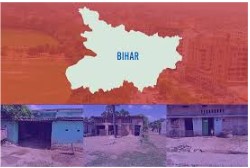
Bihar, one of India’s historically significant states, has played a central role in the country’s political, religious, and intellectual evolution. Known as the land of ancient universities and empires, the state is a confluence of heritage, spirituality, and evolving economic aspirations. Covering an area of 94,163 square kilometers, Bihar ranks 13th in India by area. According to the 2011 Census, Bihar is home to over 104 million people, making it the third most populous state in the country. Patna, situated on the southern bank of the Ganga, is the capital and the administrative and commercial hub.

Also Read: Indian States and Their Capitals

Historical Background of Bihar
The history of Bihar dates back to the ancient era, with the region forming the core of powerful empires and religious movements. It was the cradle of the Magadha Empire (6th century BCE), followed by the Maurya and Gupta dynasties, under which India saw significant advancements in governance, trade, and education.
Bihar is also closely associated with the origins of Buddhism and Jainism. Cities like Bodh Gaya, Nalanda, and Rajgir were important centers of learning and spirituality. Nalanda and Vikramshila universities attracted scholars from across Asia.
In the medieval period, Bihar was part of the Delhi Sultanate and later the Mughal Empire. During British rule, it became part of the Bengal Presidency. In 1912, Bihar was carved out as a separate province.
Post-independence, Bihar remained a key agricultural state, but in 2000, Jharkhand was carved out of southern Bihar, forming a separate state and significantly altering Bihar’s resource profile.
Also Read: Andhra Pradesh

Geography and Climate of Bihar
Bihar is a landlocked state in eastern India, bordered by Nepal to the north, Uttar Pradesh to the west, Jharkhand to the south, and West Bengal to the east.
The state’s geography is primarily composed of:

  • The fertile Indo-Gangetic plains.
  • Floodplains created by rivers like the Ganga, Kosi, Gandak, and Son.
  • A few low hills in the southern part bordering Jharkhand.

Rivers of Bihar
Bihar’s geography is shaped by its river systems, particularly the Ganges and its tributaries, which are central to agriculture, transportation, and culture.
Major Rivers:

  • Ganga: The most important river, flowing west to east across the state.

  • Kosi: Known as the “Sorrow of Bihar” due to its frequent flooding.

  • Gandak: Originates in Nepal and flows into the Ganga near Hajipur.

  • Son: A tributary of the Ganga that flows through southern Bihar.

  • Punpun, Falgu, Bagmati, and Burhi Gandak also contribute to the state’s hydrology.

These rivers are crucial for irrigation, drinking water, and floodplain agriculture.

Climate: Bihar has a humid subtropical climate marked by:

  • Hot summers from March to June.
  • Southwest monsoon from June to September.
  • Cool and dry winters from November to February.
  • The northern plains are prone to seasonal floods, especially due to the Kosi River.

Also Read: Arunachal Pradesh

Bihar: Neighboring States and Boundaries
Bihar is located in eastern India and shares its borders with:

  • Uttar Pradesh to the west
  • Jharkhand to the south
  • West Bengal to the east

It shares an international border with Nepal to the north. Bihar is landlocked and does not have a coastline.

Demographics of Bihar

As per the 2011 Census, Bihar had a population of 104 million, with a high population density of 1,106 persons per square kilometer—the highest in India. The sex ratio is 918 females per 1000 males.

Literacy Rate: Bihar recorded a literacy rate of 61.8%, with male literacy at 71.2% and female literacy at 51.5%.

Languages Spoken in Bihar:

  • Hindi (official language)
  • Urdu (second official language)
  • Bhojpuri
  • Maithili
  • Magahi
  • Angika

State Symbols of Bihar

Every state has its own set of State Symbols, Following are the symbols of Bihar:
Symbol Name
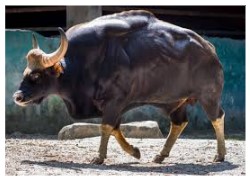
State Animal Gaur (Indian Bison)
State Bird House Sparrow
State Tree Peepal (Sacred Fig)
State Flower Kachnar (Bauhinia Variegata)

Bihar Polity and Administrative Structure

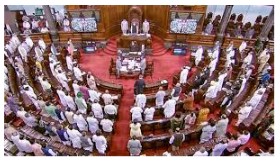
Bihar follows a bicameral legislature system, comprising the Legislative Assembly (Vidhan Sabha) and the Legislative Council (Vidhan Parishad). This structure reflects its historical importance in India’s constitutional framework.

Bihar Current Leadership

The state of Bihar has been politically influential in post-independence India and has produced several notable national leaders.

Bihar Chief Minister: Nitish Kumar

Nitish Kumar, the leader of Janata Dal (United), assumed office as the Chief Minister of Bihar after the 2020 assembly elections. A key political figure in the state, he has served multiple terms and is known for his focus on infrastructure, law and order, and social welfare schemes.

Bihar Governor: Rajendra Arlekar

Rajendra Vishwanath Arlekar has been serving as the Governor of Bihar since February 2023. A senior political leader and former Governor of Himachal Pradesh, he represents the constitutional head of the state.

Chief Justice of Bihar High Court

High Court: The Patna High Court is the principal judicial body in Bihar, located in the capital city, Patna.

The Chief Justice of the Patna High Court is Hon’ble Justice K. Vinod Chandran. He assumed office on March 29, 2023, after his nomination by the Chief Justice of India and appointment by the President of India.

Bihar Administrative Structure:

  • Bihar elects 40 members to the Lok Sabha, the lower house of the Indian Parliament.
  • The state has 16 members in the Rajya Sabha, the upper house, indirectly elected by the members of the legislative assembly.
  • Bihar has a bicameral legislature with 243 elected members in the Legislative Assembly and 75 in the Legislative Council.
  • The state is divided into 38 districts.
  • Local governance is further organized into divisions, sub-divisions (tehsils), blocks, and panchayats.

Also Read: Chattisgarh

Culture and Traditions of Bihar

Bihar’s culture reflects a deep historical legacy shaped by ancient civilizations, religious diversity, folk traditions, classical art, and vibrant festivals. Its cultural richness draws from its role as the cradle of Buddhism, Jainism, and ancient empires like Magadha and Maurya.

Classical Dance of Bihar
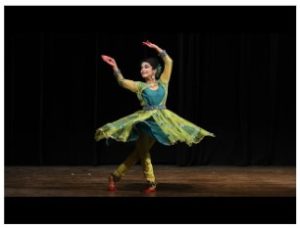
While Bihar does not have a classical dance form like Andhra Pradesh’s Kuchipudi, it has contributed to classical performance arts through its connection with traditions of Kathak.

Kathak: Though Kathak is more associated with North India as a whole, Bihar has been a part of its historical development, especially through royal patronage and temple traditions.

Features: Characterized by intricate footwork, pirouettes, and storytelling through hand gestures and facial expressions.

Themes: Stories from the Mahabharata, Ramayana, and Krishna Leela.

Unique Aspect: The dance often blends spiritual themes with courtly grace and is performed in both solo and group formats.
Theatre Art of Bihar

Bihar has a longstanding folk theatre tradition that continues to engage audiences in rural and urban settings.

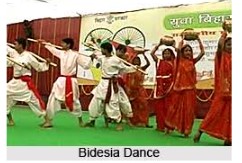
  • Bidesia: A popular folk theatre form pioneered by Bhikhari Thakur in the early 20th century. It combines drama, music, and dance to highlight social themes like migration, women’s rights, and poverty.
  • Naach and Nautanki: These traditional street performances use satire, humor, and folklore to entertain and inform rural audiences.
  • Ramleela and Rasleela: Dramatic reenactments of the Ramayana and stories of Krishna, performed especially during festivals like Dussehra and Holi.

Folk Music of Bihar

Bihar’s folk music is rich and varied, resonating with the rhythms of rural life and spirituality. It is traditionally oral and tied to social customs.

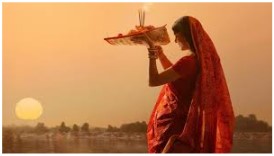
  • Chhath Geet: Sung during the Chhath Puja, these devotional songs praise the Sun God and river deities.
  • Sohar: Sung during childbirth and naming ceremonies.
  • Kajjari and Jat-Jatin: Monsoon and love-themed songs sung mostly by women.
  • Instruments: Include dholak, nagara, shehnai, and bansuri.

Classical Music in Bihar

Bihar has contributed significantly to Hindustani classical music and has nurtured many renowned musicians.

Notable Personalities:

  • Ustad Bismillah Khan: Shehnai maestro born in Dumraon, Bihar.
  • Pandit Chhannulal Mishra: Though based in Varanasi, he has roots in Bihar and is associated with the Kirana Gharana.
  • Gharanas: The state has historical ties with styles like Dhrupad and Khayal.
  • Venues: Temples and royal courts once served as platforms for classical music, and today, festivals continue to preserve this heritage.

Bihar Performance Traditions

Performing arts are central to Bihar’s cultural expression, especially during festivals and community events.
  • Includes street plays, musical storytelling, Ramleela enactments, and seasonal folk performances like Jat-Jatin.
  • Performances often take place in village squares, temple courtyards, and local festivals, preserving oral histories and social values.

Bihar Festivals

  • Chhath Puja: The most significant festival of Bihar, dedicated to the Sun God, celebrated with riverbank rituals and fasting.
  • Sama-Chakeva: Celebrated in Mithilanchal, focuses on sibling bonding and seasonal change.
  • Jitiya: Observed by mothers for the wellbeing of their children.
  • Durga Puja, Diwali, Holi, and Eid are also celebrated widely across communities.
  • Sufi festivals like Urs and Christian celebrations like Christmas reflect the religious diversity.

Bihar Arts, Crafts, and Architecture

Bihar is known for its traditional crafts, sacred architecture, and artistic heritage.

Notable Crafts of Bihar:

  • Madhubani Painting: Originating in Mithila, this art uses natural dyes and intricate motifs based on mythology, nature, and social life.
  • Tikuli Art: A form of painting on hardboard with enamel-like finish, mostly seen in decorative items.
  • Lacquer Work and Sikki Grass Products: Handmade decorative and utility items crafted by rural artisans.

Architecture:

  • Mahabodhi Temple (Bodh Gaya): A UNESCO World Heritage Site and a sacred Buddhist site marking the enlightenment of the Buddha.
  • Nalanda and Vikramshila: Ancient universities and monastic sites, showcasing early medieval architecture.
  • Golghar (Patna): A colonial-era granary with panoramic views of the Ganges.
  • Maner Sharif and Bari Dargah: Reflect the state’s Sufi architectural heritage.

Bihar National Parks and Wildlife Sanctuaries

Bihar is home to unique ecosystems, preserved through its national parks and wildlife sanctuaries.

National Parks in Bihar

Bihar has one designated national park:

Valmiki National Park (West Champaran District)

  • Known for: Bengal tigers, leopards, Indian bison, and diverse flora of the Terai region.
  • Area: 899 sq. km.

Notable Wildlife Sanctuaries:

  • Valmiki Wildlife Sanctuary (adjacent to the national park)
  • Bhimbandh Wildlife Sanctuary
  • Kaimur Wildlife Sanctuary
  • Vikramshila Gangetic Dolphin Sanctuary (notified for conservation of river dolphins in the Ganga)

Ramsar Sites in Bihar

Bihar has one Ramsar wetland of international importance:

Kanwar/Kabartal Lake (Begusarai District)

  • Type: Oxbow lake
  • Notified: 2020
  • Known for: Migratory birds and wetland biodiversity in the Indo-Gangetic plain.

UNESCO World Heritage Sites in Bihar

Bihar has one official UNESCO World Heritage Site and additional sites on the tentative list:

Mahabodhi Temple Complex at Bodh Gaya (Gaya District)
Known for: The site of Buddha’s enlightenment; important Buddhist pilgrimage center.

Tentative List Sites:

  • Ancient Nalanda University (Nalanda District)
  • Vikramshila Monastery (Bhagalpur District)

Tiger Reserves in Bihar

Bihar has one tiger reserve under India’s Project Tiger:

Valmiki Tiger Reserve (West Champaran District)

  • Area: 899 sq. km (within Valmiki National Park)
  • Notified: 1994
  • Known for: Bengal tigers, dense sal forests, and grassland ecosystems near the Indo-Nepal border.

Also Read: National Parks in India

Economic Profile of Bihar

The economy of Bihar is primarily agriculture-driven, with emerging growth in services and small-scale industries.

Key Economic Sectors of Bihar:

  • Agriculture: Major crops include rice, wheat, maize, and lentils.
  • Horticulture: Litchi, mango, and banana are important commercial crops.
  • Livestock and Dairy: Significant contributor to rural economy.
  • Industry: Focus on agro-processing, textiles, and leather.
  • Services: Public administration, education, and trade are dominant.

Major Projects in Bihar:

  • Ganga Water Lift Project: Aims to supply drinking water across multiple districts.
  • Patna Metro Rail Project: Under development to improve urban transport.
  • Bihar Industrial Investment Promotion Policy: Incentivizes private sector participation in manufacturing and logistics.

Economic Overview of Bihar

The Gross State Domestic Product (GSDP) of Bihar for the fiscal year 2023–24 stood at ₹8.47 lakh crore, recording a growth rate of 9.75% over the previous year.

Sector-wise Contribution (2023–24)

  • Agriculture and Allied Activities: 24%

  • Industry: 19%

  • Services: 57%

Bihar’s economy is service-driven, with agriculture continuing to employ a large portion of the population. The industrial sector is steadily expanding, especially in sectors such as food processing, textiles, and small-scale manufacturing.

Bihar Major Economic Centres

  • Patna: The capital city and economic nerve center of Bihar. Patna is home to key industries in IT, education, trading, and consumer services. It is also one of the fastest-growing cities in Eastern India.

  • Muzaffarpur: Known for its litchi production and agro-based industries.

  • Gaya: An emerging tourism and service hub due to its religious significance, drawing Buddhist pilgrims from around the world.

Bihar District-wise Economic Contribution

The following districts are major contributors to Bihar’s GSDP:

  • Patna: ₹98,765 crore
  • Muzaffarpur: ₹47,230 crore
  • Gaya: ₹42,614 crore
  • Bhagalpur: ₹41,908 crore
  • Darbhanga: ₹40,372 crore

Patna leads the economic output with strong performance in trade, services, and real estate.

Important Trade Infrastructure in Bihar

Bihar is a landlocked state and does not have seaports, but it is well-connected through road, rail, and inland waterways.

  • National Waterway-1: Runs along the Ganga River, enabling cargo movement from Haldia to Allahabad, passing through Patna.

  • Dry Ports (Inland Container Depots): Hajipur and Muzaffarpur serve as critical logistics nodes for export-import cargo.

  • Major Railway Junctions: Patna, Barauni, Gaya, and Mughalsarai are major railway hubs facilitating goods and passenger movement.

Unique and Notable Facts about Bihar

  • Bihar is the birthplace of two major religions: Buddhism and Jainism. Bodh Gaya is where Lord Buddha attained enlightenment, making it a global pilgrimage site.
  • Madhubani Painting: A world-renowned art form originating in the Mithila region, known for its intricate lines and natural dyes.
  • Bihar has a large youth population: Over 58% of its population is below the age of 25, offering vast human capital potential.
  • Litchi Production: Muzaffarpur is one of India’s largest producers of Shahi Litchi, which has received GI tag recognition.
  • Nalanda University: An ancient seat of learning and among the earliest residential universities in the world, now being revived as an international university.
  • High Fertility Alluvial Soil: The Indo-Gangetic plain provides rich soil that supports intensive agriculture, especially of rice, wheat, and maize.

Are you preparing for UPSC 2025? Join IAShub’s UPSC coaching batches to boost your preparation. Enroll now!

Bihar, with its ancient historical roots, cultural depth, and evolving economic landscape, stands as a key state in Eastern India. From its legacy of learning and spirituality to its emerging urban centres and infrastructure development, Bihar exemplifies resilience and growth. Understanding Bihar’s economy, heritage, and governance is essential for aspirants of competitive exams and students of Indian polity and regional diversity.

Bihar FAQs

Loader image

 Major rivers include the Ganga, Kosi, Gandak, and Son, all vital to the state’s agriculture and prone to seasonal flooding.

 Bihar's culture is rich in folk music, theatre, Madhubani art, and festivals like Chhath Puja and Sama-Chakeva.

 Bihar’s economy is service-driven, with agriculture employing the majority and industry growing in sectors like food processing and textiles.

 Valmiki National Park and Vikramshila Gangetic Dolphin Sanctuary are key biodiversity zones in Bihar.

UPSC QEP 2026 Batch 5 - English
Buy now View Details

Submit Your Details to Learn More


NEEV GS + CSAT Foundation 2026/27
Buy now View Details


Join theIAShub’s Mains Answer Writing Program

Refine your answer writing skills and elevate your UPSC preparation with personalized support and expert feedback.

Fill out the form to get started with the program or any other enquiries !

Let's Connect with Counselor

Best IAS Coaching In Delhi, UPSC Online & Offline Classes by IAShub

Are you dreaming of becoming an IAS officer? Then, IAShub can be your best guide. It is one of the Best IAS Coaching in Delhi. Many students who want to clear the UPSC exam join IAShub for learning. The institute gives both online and offline classes. Their teachers are experienced and helpful. They easily explain every topic. Students also get notes, tests, and tips to do well in the exam.

UPSC Online Classes by IAShub

IAShub is in Delhi and is trusted by many UPSC students. It offers coaching for every part of the UPSC exam – Prelims, Mains, and Interview. The classes are simple and easy to understand. The teachers are experts and guide students in the right way. IAShub is also known for its helpful notes, test series, and answer-writing practice. IAShub is the best coaching in Delhi and also gives UPSC Online Classes. This helps students from any place in India to learn. The online classes are live and also recorded. So, students can watch them anytime. These classes cover the full UPSC syllabus.

Key Offerings Provided by IAShub

Here are some important services provided by IAShub:

  • UPSC Prelims: IAShub teaches for Prelims with a focus on basics. It also gives daily current affairs and monthly magazines.
  • Classroom Courses: IAShub has classroom learning for students in Delhi. The environment is good and peaceful for study.
  • Live Classes: Students who live far can join live UPSC online classes. These classes are just like real classes.
  • QEP for Mains: The Quality Enrichment Program (QEP) is special for Mains preparation. It helps students write better and faster.
  • Answer Writing: Regular answer writing practice is given. Teachers also check answers and give tips to improve.
  • Free Resource: IAShub gives free notes by toppers and helpful Main Booster material.
  • Test Series: Test series are available for every subject. These help students know their weak points and improve.
  • Interview Guidance Session: IAShub also gives interview practice sessions with experts. These help students feel confident.

UPSC Exam Overview

The UPSC Civil Services Exam has three parts:

  • Prelims: It has two papers: General Studies and CSAT.
  • Mains: It has nine papers, including essays and optional subjects.
  • Interview: It tests the personality and confidence of the student.

This exam is tough, but with the right guidance, it becomes easy to manage. Students must study smart and stay regular.

How IAShub Helps in the UPSC Journey

IAShub supports students from the beginning to the end. It gives the right books, tests, and notes. The classes are easy to follow, and the teachers are always ready to help. Students get personal doubt sessions too. The test series and answer checking help students learn where they need to do better. Also, free study materials save time and money.
IAShub also guides students during the final stage – the interview. Experts take mock interviews and give useful tips. This full support makes IAShub one of the best IAS coaching in Delhi.

Best IAS Coaching In Delhi FAQs

Yes, IAShub offers live and recorded online classes. Students can attend from any part of India.

Classes are available in both English and Hindi, so students can choose the language they are comfortable with.

The classroom centre is located in Delhi. Students can visit and join offline batches there.

IAShub gives interview guidance sessions to help students prepare for the final round of UPSC.
Footer Image