
















Operation Sindoor was India’s recent strategic military operation targeting terrorist camps. Learn what it is, its links to PoJK, and how India’s Civil Defence Mock Drills train districts for emergencies.
 theIAShub | 09 May, 2025 | 9965 | 0 |

Operation Sindoor was a codename used by the Indian Armed Forces for a coordinated military operation in early May 2025. In this operation, India launched a series of strikes against terrorist targets across the Line of Control (LOC) and into Pakistan. The strikes were described as “focused, measured, and non-escalatory,” aiming at sites believed to house militants from groups like Lashkar-e-Taiba and Jaish-e-Mohammed. India said it hit nine terror infrastructure sites, including in Pakistani Punjab and in the territory India calls Pakistan-occupied Jammu and Kashmir (PoJK). Pakistan’s media reported civilian casualties, including children, highlighting the tension of this operation.

It was the codename for India’s military response following a terror attack in Indian-administered Kashmir in April 2025. On May 6–7, 2025, the Indian Armed Forces struck multiple targets in Pakistan and Pakistan-administered Kashmir under the label Operation Sindoor. The aim was to dismantle suspected terrorist camps and support infrastructure. According to official statements, the operation targeted camps linked to terrorist groups rather than Pakistan’s regular military bases.
Operation Sindoor involved Indian fighter jets equipped with precision missiles. The Indian Air Force used Rafale fighters armed with long-range SCALP missiles and AASM Hammer guided bombs in a roughly 23-minute mission that started very early in the morning. These jets flew near the LOC and hit places like Muzaffarabad and Kotli in Pakistan-administered Kashmir (the region India often refers to as Pakistan-occupied Jammu and Kashmir) and even reached as far as Bahawalpur in Pakistan’s Punjab province. The Indian government described the strikes as limited to “terrorist infrastructure,” while Pakistani authorities reported damage in civilian areas, including a mosque in Muzaffarabad.
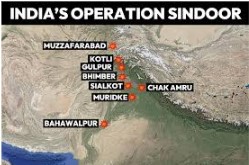
A key aspect of Operation Sindoor was its geographical focus. The attacks specifically hit locations in Pakistan-administered Kashmir, which is the part of the former Jammu & Kashmir state that has been under Pakistani control since 1947. India officially calls this area Pakistan-occupied Jammu and Kashmir (PoJK). By hitting targets in Muzaffarabad and Kotli (in PoJK) as well as Bahawalpur, Pakistan, the operation spanned both across the Line of Control and into Pakistani territory. This shows that the Indian Army (backed by the Air Force) was willing to strike deep into areas long held by Pakistan.
[metaslider id=”5575″]
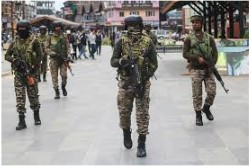
It is a large-scale simulation of an emergency scenario involving civilians and authorities. The goal is to practice and test responses to crises like war attacks, natural disasters, or terrorist incidents. A civil defence mock drill is “a simulated emergency exercise designed to prepare civilians and authorities for potential threats such as war, natural disasters, terrorist attacks, or other hostile situations”. In other words, people practice what to do if danger strikes – running evacuations, sounding alarms, using shelters, and coordinating with emergency services, all in a controlled setting.
Purposes and Activities of Civil Defence Mock Drills
Official Civil Defence Mock Drill Video link.
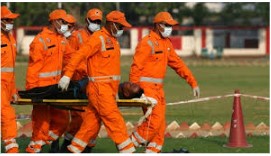
In India’s 2025 drill, the government conducted a truly nationwide exercise. On May 7, 2025, the Ministry of Home Affairs (MHA) ordered a civil defence drill in 244 districts across the country. These included districts in every state and union territory, from Srinagar in the north to Lakshadweep in the south. It was reported as “a nationwide civil defence mock drill across 244 districts” initiated right after the Pahalgam attack.
Various agencies will participate in these simulated exercises, which could include:
District authorities led most activities. Civil defence wardens, home guards, fire services, and volunteers played active roles. Schools and colleges conducted mock drills so students knew what to do. National Cadet Corps (NCC) cadets, NSS volunteers, and members of the Nehru Yuva Kendra Sangathan (NYKS) were mobilized to assist. The Home Secretary personally reviewed preparations via video conference with chief secretaries and civil defence heads of the states.
Key actions during the drills included:
These activities were carried out “down to the village level,” meaning even remote communities joined in. The participation of non-government groups (like scouts and volunteers) emphasized that civil defence is not just a government task, but a community effort.
Also Read: Constitutional bodies in India
| S. No | Name of State/UT | Cat I | Cat II | Cat III |
| 1 | Andaman & Nicobar Island (UT) (1) | 1. A&N Islands (Port Blair) | ||
| 2 | Andhra Pradesh (1) | 1. Vishakhapatnam | ||
| 3 | Assam (15) | 1. Bongaigaon 2. Dibrugarh 3. Dhubri 4. Goalpara 5. Jorhat 6. Sibasagar 7. Tinsukia 8. Sonitpur 9. Kamrup Urban 10. Namrup 11. Lakhimpur |
1. Darrang 2. Karbi Anglong 3. Kokrajhar 4. Golaghat |
|
| 4 | Arunachal Pradesh (5) | 1. Papumpare 2. Tawang 3. West Siang 4. Anjaw |
1. West Kameng | |
| 5 | Bihar (5) | 1. Katihar 2. Patna 3. Purnea 4. Barauni |
1. Begusarai | |
| 6 | Chandigarh (UT) (1) | 1. Chandigarh | ||
| 7 | Dadar Nagar Haveli, Daman & Diu (Not Received) (2) | 1. Dadra (Silvasa) 2. Daman |
||
| 8 | Chhattisgarh (1) | 1. Durg | ||
| 9 | Delhi (UT) (1) | 1. Delhi | ||
| 10 | Goa (2) | 1. North Goa 2. South Goa |
||
| 11 | Gujarat (13) | 1. Surat 2. Vadodara |
1. Ahmedabad 2. Jamnagar 3. Kutch 4. Gandhinagar 5. Bhavnagar 6. Bharuch 7. Devbhoomi Dwarka |
1. Dangs 2. Mehsana 3. Narmada 4. Navsari |
| 12 | Haryana (11) | 1. Ambala 2. Faridabad 3. Gurugram 4. Hisar 5. Punchkula 6. Panipat 7. Rohtak 8. Sirsa 9. Sonipat 10. Yumananagar |
1. Jhajjar | |
| 13 | Himachal Pradesh (1) | 1. Shimla | ||
| 14 | Jammu & Kashmir (13) | 1. Anantnag 2. Budgam 3. Baramulla 4. Doda 5. Jammu 6. Kathua 7. Kupwara 8. Poonch 9. Rajouri 10. Srinagar 11. Udhampur 12. Samba |
1. Pulwama | |
| 15 | Jharkhand (6) | 1. Ranchi 2. Bokaro 3. East Singhbhum 4. Gomio |
1. Godda 2. Sahebganj |
|
| 16 | Karnataka (3) | 1. Bengaluru 2. Uttara Kannada 3. Raichur |
||
| 17 | Kerala (14) | 1. Thiruvananthapuram 2. Ernakulam 3. Kannur |
1. Kollam 2. Pathanamthitta 3. Alapuzha 4. Kottayam 5. Idukki 6. Thrissur 7. Palakkad 8. Malappuram 9. Kozhikode 10. Wayanad 11. Kasargode |
|
| 18 | Lakshadweep (1) | 1. Kavarati | ||
| 19 | Madhya Pradesh (5) | 1. Bhopal 2. Gwalior 3. Indore 4. Jabalpur 5. Katni |
||
| 20 | Maharashtra (10) | 1. Mumbai 2. Raigad 3. Palghar |
1. Thane 2. Nashik 3. Pune |
1. Ratnagiri 2. Sindhudurg 3. Aurangabad 4. Bhusawal |
| 21 | Manipur (5) | 1. Churachandpur 2. Ukhrul 3. Bishnupur 4. Tengnoupal |
1. Imphal | |
| 22 | Meghalaya (7) | 1. East Khasi Hills 2. West Garo Hills 3. West Jaintia Hills |
1. West Khasi Hills 2. Ri Bhoi 3. East Garo Hills 4. South Garo Hills |
|
| 23 | Mizoram (1) | 1. Aizawl | ||
| 24 | Nagaland (10) | 1. Kohima 2. Dimapur 3. Mokokchung 4. Wokha 5. Zunheboto 6. Phek 7. Tuensang 8. Mon 9. Kiphire 10. Peren |
||
| 25 | Odisha (12) | 1. Talcher | 1. Sundergarh 2. Koraput 3. Khordha 4. Paradip 5. Sambalpur 6. Balasore 7. Ganjam |
1. Dhenkanal 2. Bhadrak 3. Kendrapada 4. Jagatsinghpur |
| 26 | Punjab (15) | 1. Jalandhar 2. Amritsar 3. Barnala 4. Bathinda 5. Ferozepur 6. Faridkot 7. Ludhiana 8. Rupnagar 9. Pathankot 10. Fazilka 11. Gurdaspur 12. SAS Nagar 13. Patiala 14. Hoshiarpur |
1. Sangrur | |
| 27 | Puducherry (1) | 1. Puducherry | ||
| 28 | Rajasthan (33) | 1. Chittorgarh 2. Kota |
1. Ajmer 2. Alwar 3. Jaipur 4. Jodhpur 5. Barmer 6. Bikaner 7. Bharatpur |
1. Banswara 2. Baran 3. Bhilwara 4. Churu 5. Dausa 6. Dholpur 7. Dungarpur |
| 29 | Sikkim (1) | 1. Gangtok | ||
| 30 | Tamil Nadu (2) | 1. Chennai 2. Kalpakkam |
||
| 31 | Telangana (1) | 1. Hyderabad | ||
| 32 | Tripura (8) | 1. West Tripura 2. North Tripura 3. Unakoti 4. Dhalai 5. Khowai 6. Sepahijala 7. Gomati 8. South Tripura |
||
| 33 | Uttar Pradesh (17) | 1. Bulandshahar | 1. Agra 2. Prayagraj 3. Bareilly 4. Ghaziabad 5. Gorakhpur 6. Jhansi 7. Kanpur-Nagar 8. Lucknow 9. Mathura 10. Meerut 11. Moradabad 12. Saharanpur 13. Varanasi 14. Chandauli |
1. Bagpat 2. Muzaffar Nagar |
| 34 | Uttarakhand (1) | 1. Dehradun | ||
| 35 | West Bengal (17) | 1. Coochbehar 2. Darjeeling 3. Jalpaiguri 4. Malda 5. Pachim Bardhaman 6. Purba Medinipur 7. Alipurduar 8. Pachim Medinipur |
1. Bardhaman 2. Birbhum 3. Howrah 4. Hooghly |
|
| 36 | Ladakh (2) | 1. Leh 2. Kargil |
||
Also Read: International Organisations
[metaslider id=”5575″]
This 2025 exercise was reported as the first civil defence drill of its scale since the 1971 India-Pakistan war. Under the old Civil Defence Rules, 1968, such exercises can be called by the Home Ministry when needed. Officials stressed this was all about saving lives and strengthening preparedness. It was also described as a clear message of deterrence: India was demonstrating that “this drill is about saving lives,” but also signaling it was ready for any challenge.
Operation Sindoor was a focused military operation targeting terror infrastructure in PoJK and Pakistan. It showed India’s willingness to take strategic action against cross-border threats. At the same time, India demonstrated internal readiness through the Civil Defence Mock Drill across districts.
Are you preparing for UPSC 2025? Join IAShub’s UPSC coaching batches to boost your preparation. Enroll now!
Together, these events underline a dual strategy: deterrence through force and resilience through training. By combining offensive operations like Operation Sindoor with broad civil readiness in civil defence mock drill districts, India strengthens both its borders and its public safety systems.

India launched Operation Sindoor as a retaliatory response to the April 2025 Pahalgam terror attack, which killed 26 civilians. The operation was aimed at dismantling terror infrastructure in PoJK and Pakistani Punjab believed to be responsible for the attacks.
A Civil Defence Mock Drill is a simulated emergency exercise designed to prepare civilians and authorities for disasters such as war, terrorist attacks, or natural calamities. These drills involve sirens, evacuations, blackout procedures, shelter checks, and coordination with emergency services to improve national preparedness.
In May 2025, the Ministry of Home Affairs organized a nationwide Civil Defence Mock Drill across 244 districts in India, including regions in every state and union territory, to strengthen emergency readiness and civil coordination in response to high-threat scenarios.
Following Operation Sindoor, India emphasized national emergency preparedness by conducting Civil Defence Mock Drills in 244 districts. These drills aimed to test how well civilians and local authorities could respond to potential retaliatory threats, ensuring the nation’s civil infrastructure was ready for emergencies.

Refine your answer writing skills and elevate your UPSC preparation with personalized support and expert feedback.
Fill out the form to get started with the program or any other enquiries !






Are you dreaming of becoming an IAS officer? Then, IAShub can be your best guide. It is one of the Best IAS Coaching in Delhi. Many students who want to clear the UPSC exam join IAShub for learning. The institute gives both online and offline classes. Their teachers are experienced and helpful. They easily explain every topic. Students also get notes, tests, and tips to do well in the exam.
IAShub is in Delhi and is trusted by many UPSC students. It offers coaching for every part of the UPSC exam – Prelims, Mains, and Interview. The classes are simple and easy to understand. The teachers are experts and guide students in the right way. IAShub is also known for its helpful notes, test series, and answer-writing practice. IAShub is the best coaching in Delhi and also gives UPSC Online Classes. This helps students from any place in India to learn. The online classes are live and also recorded. So, students can watch them anytime. These classes cover the full UPSC syllabus.
Here are some important services provided by IAShub:
The UPSC Civil Services Exam has three parts:
This exam is tough, but with the right guidance, it becomes easy to manage. Students must study smart and stay regular.
IAShub supports students from the beginning to the end. It gives the right books, tests, and notes. The classes are easy to follow, and the teachers are always ready to help. Students get personal doubt sessions too. The test series and answer checking help students learn where they need to do better. Also, free study materials save time and money.
IAShub also guides students during the final stage – the interview. Experts take mock interviews and give useful tips. This full support makes IAShub one of the best IAS coaching in Delhi.

Join 50,000+ UPSC Aspirants! 🚀
Get Free UPSC/IAS Study Materials, Daily Current Affairs, Editorial Summaries & Exam Updates.
Join Telegram Channel