
















Explore the 43 UNESCO World Heritage Sites in India, including cultural, natural, and mixed sites. Learn about iconic landmarks like the Taj Mahal, Ajanta Caves, and Kaziranga National Park, and their significance in preserving India's heritage.
 theIAShub | 19 Apr, 2025 | 4085 | 0 |

India, with its rich history, diverse culture, and abundant natural resources, is home to many UNESCO World Heritage Sites. These sites, located across the country, highlight both the cultural and natural heritage of India. “World Heritage” refers to places that hold significant cultural, historical, or natural value, recognized globally for their importance to humanity.
UNESCO World Heritage Sites in India include iconic landmarks like ancient temples and monuments, as well as stunning natural wonders such as national parks and wildlife sanctuaries. These sites are recognized for their cultural, historical, or natural significance and play a key role in preserving India’s legacy, while also contributing to global conservation and tourism efforts.
UNESCO, United Nations Educational, Scientific and Cultural Organization, designates World Heritage Sites based on their outstanding universal value. These sites are chosen for their unique contributions to human civilization, natural beauty, biodiversity, or scientific importance. UNESCO World Heritage Sites are classified into three categories: Cultural, Natural, and Mixed.
India currently boasts 43 UNESCO World Heritage Sites. These include 35 cultural sites, 7 natural sites, and 1 mixed site. Let’s delve into each category to understand the remarkable diversity and heritage of India.
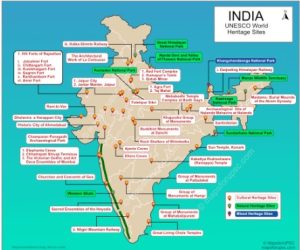
Here is the table listing the UNESCO World Heritage Sites in India:
| Sr No | UNESCO World Heritage Site | Location |
| 1 | Agra Fort | Uttar Pradesh |
| 2 | Ajanta Caves | Maharashtra |
| 3 | Archaeological Site of Nalanda Mahavihara at Nalanda | Bihar |
| 4 | Buddhist Monuments at Sanchi | Madhya Pradesh |
| 5 | Champaner-Pavagadh Archaeological Park | Gujarat |
| 6 | Chhatrapati Shivaji Terminus | Maharashtra |
| 7 | Churches and Convents of Goa | Goa |
| 8 | Elephanta Caves | Maharashtra |
| 9 | Ellora Caves | Maharashtra |
| 10 | Fatehpur Sikri | Uttar Pradesh |
| 11 | Great Living Chola Temples (Brihadisvara Temple at Thanjavur, Brihadisvara Temple at Gangaikondacholisvaram, Airavatesvara Temple at Darasuram) | Tamil Nadu |
| 12 | Group of Monuments at Hampi | Karnataka |
| 13 | Group of Monuments at Mahabalipuram | Tamil Nadu |
| 14 | Group of Monuments at Pattadakal | Karnataka |
| 15 | Hill Forts of Rajasthan (Chittorgarh Fort, Kumbhalgarh Fort, Sawai Madhopur Fort, Jhalawar Fort, Jaipur Fort, Jaisalmer Fort) | Rajasthan |
| 16 | Historic City of Ahmedabad | Gujarat |
| 17 | Humayun’s Tomb | Delhi |
| 18 | Jaipur City | Rajasthan |
| 19 | Khajuraho Group of Monuments | Madhya Pradesh |
| 20 | Mahabodhi Temple Complex | Bihar |
| 21 | Mountain Railways of India (Darjeeling Himalayan Railway, Nilgiri Mountain Railway, Kalka-Shimla Railway) | Multiple States |
| 22 | Qutb Minar and its Monuments | Delhi |
| 23 | Rani-ki-Vav (the Queen’s Stepwell) | Gujarat |
| 24 | Red Fort Complex | Delhi |
| 25 | Rock Shelters of Bhimbetka | Madhya Pradesh |
| 26 | Sun Temple, Konark | Odisha |
| 27 | Taj Mahal | Uttar Pradesh |
| 28 | The Architectural Work of Le Corbusier, an Outstanding Contribution to the Modern Movement (Includes Complexe du Capitole in Chandigarh, India) | Chandigarh |
| 29 | The Jantar Mantar | Rajasthan |
| 30 | Victorian Gothic and Art Deco Ensembles of Mumbai | Maharashtra |
| 31 | Great Himalayan National Park Conservation Area | Himachal Pradesh |
| 32 | Kaziranga National Park | Assam |
| 33 | Keoladeo National Park | Rajasthan |
| 34 | Manas Wildlife Sanctuary | Assam |
| 35 | Nanda Devi and Valley of Flowers National Parks | Uttarakhand |
| 36 | Sundarbans National Park | West Bengal |
| 37 | Western Ghats (includes multiple states) | Multiple States |
| 38 | Khangchendzonga National Park | Sikkim |
| 39 | Kakatiya Rudreshwara (Ramappa) Temple | Telangana |
| 40 | Dholavira | Gujarat |
| 41 | Shantiniketan: Cultural and educational hub founded by Nobel laureate Rabindranath Tagore | West Bengal |
| 42 | Hoysala Temples: Sacred Ensembles of the Hoysala | Karnataka |
| 43 | Moidams of Assam | Assam |
Also Read: How to Make Notes for UPSC
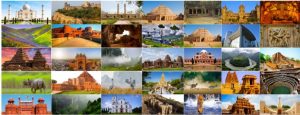
The cultural sites in India reflect the architectural, religious, and historical achievements that have shaped the country’s cultural identity. Some of the most iconic cultural World Heritage Sites in India include:
Also Read: Which Newspaper is Best for UPSC
[metaslider id=”5575″]
India is home to a rich biodiversity, with unique ecosystems spread across its vast landscape. Its natural heritage sites are some of the most biodiverse in the world, contributing to global conservation efforts. Some notable natural UNESCO World Heritage Sites in India include:
Also Read: LBSNAA Full Form
A mixed World Heritage site combines both natural and cultural significance. In India, there is one such site:
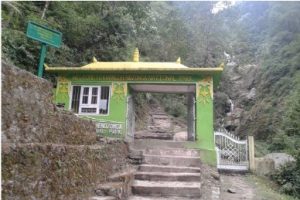
Image: Khangchendzonga National Park
UNESCO World Heritage Sites have had a big impact on India, both culturally and economically. These sites attract millions of tourists every year, helping boost the country’s tourism industry. The UNESCO label also helps protect and preserve these sites, so future generations can enjoy their beauty and history.
India has received financial help from UNESCO’s World Heritage Fund for conservation projects. For example, India has received more than $861,732 for preserving these sites. Regular reports help track their condition and ensure they stay safe.
Are you preparing for UPSC 2025? Join IAShub’s UPSC coaching batches to boost your preparation. Enroll now!
Related Articles |
|
| Indian States and their Capital | National Parks In India |
| Military Exercises of India | Biosphere Reserves In India |
| Ramsar sites in India | IAS vs IPS |

India has 43 UNESCO World Heritage Sites, including 35 cultural, 7 natural, and 1 mixed site, representing a diverse range of historical, architectural, and ecological significance.
UNESCO World Heritage Sites are protected and maintained according to international agreements. Any alterations are carefully monitored to ensure they do not compromise the site's universal value.
Cultural sites include the Taj Mahal, Qutb Minar, Ajanta Caves, and Fatehpur Sikri, reflecting India's rich architectural, religious, and historical heritage.
Natural World Heritage Sites are places of exceptional natural beauty or biodiversity, crucial for preserving ecosystems and wildlife, like Kaziranga National Park and the Western Ghats.

Refine your answer writing skills and elevate your UPSC preparation with personalized support and expert feedback.
Fill out the form to get started with the program or any other enquiries !



Are you dreaming of becoming an IAS officer? Then, IAShub can be your best guide. It is one of the Best IAS Coaching in Delhi. Many students who want to clear the UPSC exam join IAShub for learning. The institute gives both online and offline classes. Their teachers are experienced and helpful. They easily explain every topic. Students also get notes, tests, and tips to do well in the exam.
IAShub is in Delhi and is trusted by many UPSC students. It offers coaching for every part of the UPSC exam – Prelims, Mains, and Interview. The classes are simple and easy to understand. The teachers are experts and guide students in the right way. IAShub is also known for its helpful notes, test series, and answer-writing practice. IAShub is the best coaching in Delhi and also gives UPSC Online Classes. This helps students from any place in India to learn. The online classes are live and also recorded. So, students can watch them anytime. These classes cover the full UPSC syllabus.
Here are some important services provided by IAShub:
The UPSC Civil Services Exam has three parts:
This exam is tough, but with the right guidance, it becomes easy to manage. Students must study smart and stay regular.
IAShub supports students from the beginning to the end. It gives the right books, tests, and notes. The classes are easy to follow, and the teachers are always ready to help. Students get personal doubt sessions too. The test series and answer checking help students learn where they need to do better. Also, free study materials save time and money.
IAShub also guides students during the final stage – the interview. Experts take mock interviews and give useful tips. This full support makes IAShub one of the best IAS coaching in Delhi.

Join 50,000+ UPSC Aspirants! 🚀
Get Free UPSC/IAS Study Materials, Daily Current Affairs, Editorial Summaries & Exam Updates.
Join Telegram Channel