
















Meet the youngest IAS officers in India who cracked the UPSC exam early in life. Their stories reflect focus, discipline, and a desire to serve the nation.
 theIAShub | 25 Jun, 2025 | 16312 | 0 |

Youngest IAS Officers In India – Inspiring Journeys Of Early Achievers In Civil Services
The Indian Administrative Service (IAS) is one of the toughest career paths in India. Becoming an IAS officer requires clearing the UPSC exam, which demands focus, preparation, and resilience. While most aspirants spend years in pursuit, some individuals achieve this feat in their early twenties. This article highlights who are the Youngest IAS Officers, the journeys of the youngest IAS officers in India—their backgrounds, their approach to preparation, and their vision for public service.
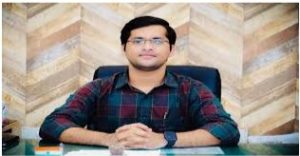
Ansar Shaikh became the youngest IAS officer in India when he cracked the UPSC exam at just 21. Hailing from a poor family in Maharashtra, his father was an auto driver, and his mother worked in the fields. Despite financial struggles, Ansar studied political science at Fergusson College in Pune and cracked the exam on his first attempt. He is now posted in West Bengal and continues to inspire millions.
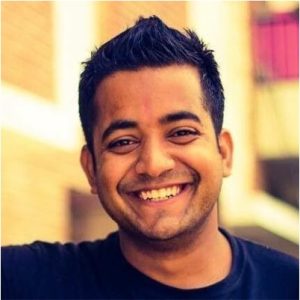
Roman Saini was just 22 when he cleared the UPSC Civil Services Examination. Before that, he became a doctor at AIIMS at the age of 16. His academic excellence carried over into civil services, and he ranked within the top 20. Roman later left the IAS to co-found an ed-tech platform aimed at democratizing education.
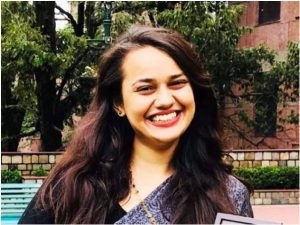
Tina Dabi topped the UPSC exam in 2015 at the age of 22. A political science graduate from Lady Shri Ram College, she became a role model for young aspirants, especially women. Tina’s disciplined preparation strategy included focused study hours, daily news reading, and a strong grasp of her optional subject.
Simi Karan, an engineering graduate from IIT Bombay, cleared the civil services exam in her first attempt at 22. Her analytical approach, aided by her engineering background, helped her sail through the prelims, mains, and interview with ease. She is posted in Chhattisgarh and is known for her grassroots work.
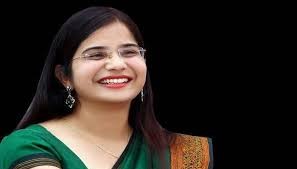
Swati Meena cleared the IAS exam at the age of 22 in 2007. Born in Madhya Pradesh, she took on administrative responsibilities early and earned a reputation for efficiency and strict governance. She has served in various capacities in Rajasthan and Madhya Pradesh.
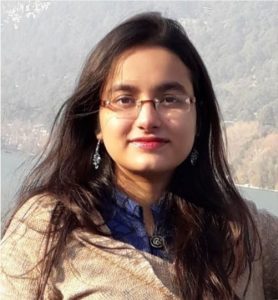
Neha Banerjee secured a place in the IAS at 22. A brilliant student from the start, she was known for her sharp intellect and communication skills. Her structured preparation, including answer writing practice and daily revision, helped her crack the exam in her first attempt.
[metaslider id=”5575″]
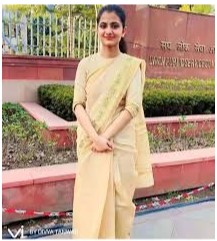
Divya Tanwar holds the distinction of clearing the UPSC exam at the age of 21. Coming from a modest family in Haryana, she relied on self-study and free online resources. Her consistency and refusal to give up in the face of hardship make her one of the youngest IAS officers in India.
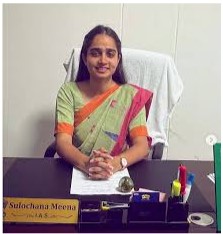
Hailing from a small village in Rajasthan, Sulochana Meena cleared the UPSC exam at 22. With limited access to coaching, she used open-source material, government publications, and structured notes to prepare. She now works in tribal regions and has received praise for her work in education and women’s health.
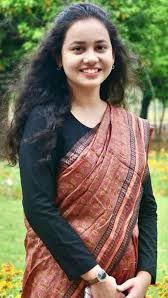
Riya Dabi followed in the footsteps of her sister, Tina Dabi, and cracked the UPSC exam at 23. She was known for her quiet consistency and methodical preparation. Her journey proves that inspiration at home can turn into public service on a national level.
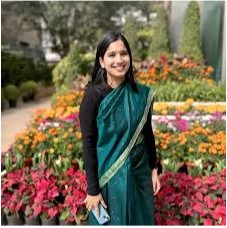
Ayushi Pradhan became an IAS officer at 26 but had cleared multiple stages of UPSC before. Her journey was not about quick success but about learning through setbacks. Her story highlights how determination can sustain even in the face of initial failure.
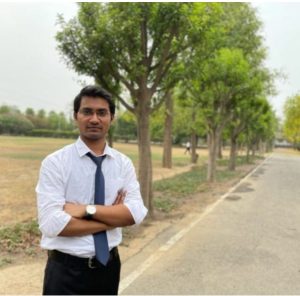
Shubham Kumar cleared the exam in 2020 with an All India Rank 1 at 24. An IIT Bombay graduate, he balanced technical expertise with strong general awareness. His preparation strategy included limited resources, rigorous revision, and focused mock tests.
Each of the youngest IAS officers in India represents something unique. For some, it’s resilience. For others, it’s academic excellence or consistency. But they all share a common desire—to serve society with integrity and purpose. Their young age also gives them a head start in public administration. They can spend decades shaping public policy, solving complex challenges, and leading from the front.
From the stories above, certain patterns emerge:
These strategies show that the exam isn’t about studying 12 hours a day, but about studying smart.
Age brings certain advantages. Young officers can adapt easily to changing environments. They often come with a fresh perspective. They are open to innovation, data-based decision-making, and using technology in governance. But civil services are about more than just energy—they are about maturity, patience, and judgment. These traits can be found in both young and older candidates.
What matters most is not when you crack the exam, but how well you serve after cracking it.
The youngest IAS officers in India are not just examples of academic success—they are examples of how willpower, focus, and dedication can lead to national impact. Their stories cut across backgrounds—rural and urban, rich and poor, science and humanities. They prove that civil service is a field open to anyone willing to work for it.
These officers remind us that age is just a number. What truly matters is the desire to lead, the ability to adapt, and the courage to serve.

Yes, several of the youngest IAS officers in India, like Ansar Shaikh and Divya Tanwar, cleared the exam at 21 through focused preparation and discipline.
They follow a smart strategy that includes early preparation, selective reading, mock tests, and answer writing practice.
Yes, the youngest IAS officers in India get a head start in administration, allowing them more time to make a long-term impact in public service.
Yes, officers like Tina Dabi, Simi Karan, Neha Banerjee, and Riya Dabi are among the youngest IAS officers in India and have become role models for women aspirants.

Refine your answer writing skills and elevate your UPSC preparation with personalized support and expert feedback.
Fill out the form to get started with the program or any other enquiries !



Are you dreaming of becoming an IAS officer? Then, IAShub can be your best guide. It is one of the Best IAS Coaching in Delhi. Many students who want to clear the UPSC exam join IAShub for learning. The institute gives both online and offline classes. Their teachers are experienced and helpful. They easily explain every topic. Students also get notes, tests, and tips to do well in the exam.
IAShub is in Delhi and is trusted by many UPSC students. It offers coaching for every part of the UPSC exam – Prelims, Mains, and Interview. The classes are simple and easy to understand. The teachers are experts and guide students in the right way. IAShub is also known for its helpful notes, test series, and answer-writing practice. IAShub is the best coaching in Delhi and also gives UPSC Online Classes. This helps students from any place in India to learn. The online classes are live and also recorded. So, students can watch them anytime. These classes cover the full UPSC syllabus.
Here are some important services provided by IAShub:
The UPSC Civil Services Exam has three parts:
This exam is tough, but with the right guidance, it becomes easy to manage. Students must study smart and stay regular.
IAShub supports students from the beginning to the end. It gives the right books, tests, and notes. The classes are easy to follow, and the teachers are always ready to help. Students get personal doubt sessions too. The test series and answer checking help students learn where they need to do better. Also, free study materials save time and money.
IAShub also guides students during the final stage – the interview. Experts take mock interviews and give useful tips. This full support makes IAShub one of the best IAS coaching in Delhi.
Join 50,000+ UPSC Aspirants! 🚀
Get Free UPSC/IAS Study Materials, Daily Current Affairs, Editorial Summaries & Exam Updates.
Join Telegram Channel