
















Jallianwala Bagh Massacre 1919: Learn about its history, Rowlatt Act, Hunter Commission, and its impact on India's independence struggle. A turning point in history
 theIAShub | 04 Apr, 2025 | 5200 | 0 |

Jallianwala Bagh massacre, which took place on April 13, 1919, is one of the darkest moments in India’s history during British rule. It has become a powerful symbol of India’s fight for independence and the strength of its people. Over time, the Jallianwala Bagh massacre has gone beyond being just a historical event—it represents sacrifice, injustice, and the spirit of resistance, inspiring generations of Indians.
In 1951, the Government of India built a memorial at Jallianwala Bagh to honor the victims, and in 2019, the Yaad-e-Jallian Museum was opened to share the story of the tragedy. These sites serve as important reminders of the cruelty inflicted on innocent civilians and the sacrifices made in the struggle for independence.
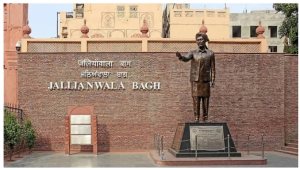
Jallianwala Bagh massacre of 1919 didn’t happen out of nowhere; it was the result of many political events building up over time. By the end of World War I, India had made major contributions to the British war effort, sending soldiers and resources. Many Indians hoped that in return, the British would grant them more self-rule or at least some political freedom. But the British government had other plans, and this caused growing frustration and disappointment among the Indian people.
Indian National Congress, the main political group fighting for India’s independence, believed that the end of the war would lead to more freedom for India. However, instead of granting autonomy, the British government introduced harsh laws, such as the Rowlatt Act (also called the Black Act) in March 1919. This law allowed the British to arrest and imprison anyone they suspected of being involved in political activities against British rule, without a trial. This law took away many basic rights and angered the people of India even more.
Also Read: Beti Bachao Beti Padhao
The passing of the Rowlatt Act 1919 was the main reason for the unrest that led to the Jallianwala Bagh massacre. Many people saw the act as a betrayal because it meant the British were tightening their control over India even more. In response, Mahatma Gandhi started a peaceful movement called Satyagraha to protest against the Rowlatt Act. His call for action was supported by many people across the country, including in Punjab, where two important leaders, Dr. Saifuddin Kitchlew and Dr. Satyapal, organized peaceful protests.
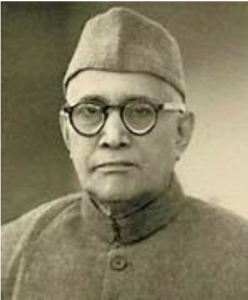
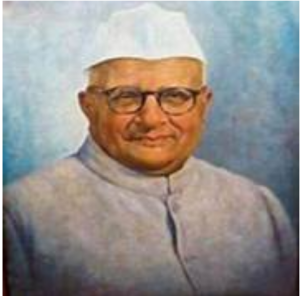
Image: Dr. Saifuddin Kitchlew Image: Dr. Satyapal
On April 9, 1919, the British authorities, led by Lieutenant Governor Sir Michael O’Dwyer, arrested Kitchlew and Satyapal. The arrests were seen as unfair and this angered the public even more. The British response was harsh: on April 10, when people peacefully marched to demand the release of their leaders, the police opened fire, killing and injuring many. This violence led to protests and retaliation all over Amritsar, and soon the city was filled with chaos.
Also Read: Major Ports In India
On April 13, 1919, a large crowd of thousands gathered at Jallianwala Bagh in Amritsar to protest against the violence of the previous days and to demand the release of their leaders. It was also Baisakhi, a festival that had traditionally been a time for communal celebration. However, the British authorities, viewing the gathering as a political threat, had already imposed martial law in the region, prohibiting any public assembly. Brigadier-General Reginald Dyer, the British officer in charge, saw the gathering as an act of defiance and decided to act decisively.
Dyer, with a contingent of 50 soldiers, marched into Jallianwala Bagh. Without warning, he ordered his troops to open fire on the unarmed crowd, which included men, women, and children. The soldiers fired continuously for 10 to 15 minutes, expending 1,650 rounds of ammunition. The crowd, in a desperate attempt to escape, rushed toward the only exit, but Dyer had blocked it, ensuring maximum casualties. The firing ceased only when the troops ran out of ammunition. Official British reports estimated that 291 people were killed, but other reports, including those from an Indian committee headed by Madan Mohan Malviya, put the number of dead at over 500, with thousands more injured.
Also Read: Uniform Civil Code
[metaslider id=”5575″]
After the Jallianwala Bagh massacre, the British imposed martial law in several parts of Punjab, including Amritsar, Lahore, and Gujranwala. They tried to control the public outrage by taking harsh actions, such as arresting many people and publicly flogging them. News of the Jallianwala Bagh massacre spread quickly across India, causing widespread protests and anger.
Jallianwala Bagh massacre had a big impact, both in India and around the world. Rabindranath Tagore, a Nobel Prize winner, gave up his knighthood to protest the violence. The event also made more people angry with British rule and increased nationalist feelings. Leaders like Gandhi and Jawaharlal Nehru pushed harder for independence, understanding that the British repression had only strengthened India’s desire for freedom.
In response to growing pressure, the British government established the Hunter Commission in October 1919 to investigate the Jallianwala Bagh massacre. However, the commission’s inquiry was largely a whitewash, with British officials clearing General Dyer of any wrongdoing. Dyer himself showed no remorse during his testimony, even stating when asked if he had taken any steps to help the wounded, “No, certainly not. It was not my job.” His cold and indifferent attitude only deepened the outrage and resentment among the Indian people.
Jallianwala Bagh massacre was a turning point in India’s fight for independence. It motivated many Indians, especially the youth, to take a stronger stand against British rule. The memory of the Jallianwala Bagh massacre and the violence that followed continued to inspire the independence movement in the 1920s and 1930s.
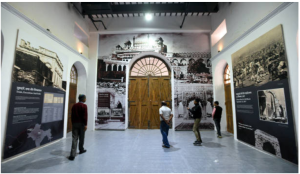
In 1951, the Government of India built a memorial at Jallianwala Bagh to honor the victims of the Jallianwala Bagh massacre. Later, in 2019, the Yaad-e-Jallian Museum was opened. These places serve as reminders of the sacrifices made by many Indians in the struggle for freedom. They not only honor those who lost their lives but also inspire future generations to value democracy, justice, and independence.
Are you preparing for UPSC 2025? Join IAShub’s UPSC coaching batches to boost your preparation. Enroll now!
Related Articles |
|
|---|---|
| List of Indian States And Their Capitals | Balika Samriddhi Yojana |
| PM Awas Yojana | Biosphere Reserves In India |
| Representation of People Act | National Judicial Appointments Commission |

The Jallianwala Bagh massacre was triggered by growing frustration over British repression, including the Rowlatt Act, and the violent response to a peaceful protest in Amritsar on April 13, 1919.
Official British reports claim 291 people were killed in the Jallianwala Bagh massacre, while Indian sources estimate over 500 deaths, with thousands more injured in the attack on the unarmed crowd.
Brigadier-General Reginald Dyer, the British officer in charge, ordered the troops to fire on the crowd without warning, leading to the Jallianwala Bagh massacre.
The Hunter Commission was set up by the British to investigate the Jallianwala Bagh massacre. However, its findings were a whitewash, and it exonerated General Dyer for his actions.


Refine your answer writing skills and elevate your UPSC preparation with personalized support and expert feedback.
Fill out the form to get started with the program or any other enquiries !



Are you dreaming of becoming an IAS officer? Then, IAShub can be your best guide. It is one of the Best IAS Coaching in Delhi. Many students who want to clear the UPSC exam join IAShub for learning. The institute gives both online and offline classes. Their teachers are experienced and helpful. They easily explain every topic. Students also get notes, tests, and tips to do well in the exam.
IAShub is in Delhi and is trusted by many UPSC students. It offers coaching for every part of the UPSC exam – Prelims, Mains, and Interview. The classes are simple and easy to understand. The teachers are experts and guide students in the right way. IAShub is also known for its helpful notes, test series, and answer-writing practice. IAShub is the best coaching in Delhi and also gives UPSC Online Classes. This helps students from any place in India to learn. The online classes are live and also recorded. So, students can watch them anytime. These classes cover the full UPSC syllabus.
Here are some important services provided by IAShub:
The UPSC Civil Services Exam has three parts:
This exam is tough, but with the right guidance, it becomes easy to manage. Students must study smart and stay regular.
IAShub supports students from the beginning to the end. It gives the right books, tests, and notes. The classes are easy to follow, and the teachers are always ready to help. Students get personal doubt sessions too. The test series and answer checking help students learn where they need to do better. Also, free study materials save time and money.
IAShub also guides students during the final stage – the interview. Experts take mock interviews and give useful tips. This full support makes IAShub one of the best IAS coaching in Delhi.

Join 50,000+ UPSC Aspirants! 🚀
Get Free UPSC/IAS Study Materials, Daily Current Affairs, Editorial Summaries & Exam Updates.
Join Telegram Channel