
















Celebrate Holi 2025 on March 13th & 14th! Explore the history, significance & vibrant celebrations of this joyful festival of colors, love, and unity worldwide.
 theIAShub | 13 Mar, 2025 | 2859 | 0 |

[wpdiscuz-feedback id=”uuto7pp6ff” question=”Please leave a feedback on this” opened=”0″][/wpdiscuz-feedback]
Holi, the festival of colors, is one of the most vibrant and widely celebrated festivals in India and among Indian communities worldwide. In 2025, Holi will once again bring people together to celebrate love, life, and the triumph of good over evil.
Holi is an old Hindu festival celebrated with a lot of excitement and joy. It marks the beginning of spring, a season that represents new starts, growth, and the victory of good over evil. The festival is also about celebrating the love between Radha and Krishna, and the colors used during Holi represent the different aspects of life. People gather together to throw colors at each other, dance, sing, and enjoy delicious foods, making it a fun and happy time for everyone.
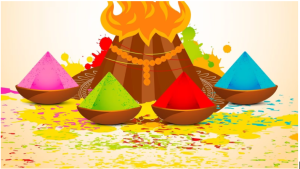
Holi typically lasts for two days. The first night is for Holika Dahan, a tradition where people light bonfires. The next day is the main celebration, called Rangwali Holi or Phagwah, when people throw colorful powders at each other in the streets and have a great time.
In 2025, Holi will be celebrated on March 13th and 14th. The festival spans two days, with Holika Dahan occurring on the night of March 13th, and the colorful celebrations taking place on March 14th.
The dates of Holi vary every year as they are determined by the lunar calendar. Holi is celebrated on the full moon day of the month of Phalguna, which typically falls between February and March.
The origins of Holi can be traced back to ancient Hindu texts and traditions. The earliest references to Holi can be found in the Puranas, specifically in texts like the Bhagavata Purana and Vishnu Purana, which narrate the story of Prahlad and his father Hiranyakashipu. Over time, the festival evolved and became a public celebration of spring’s arrival.
In the medieval period, Holi became a festival celebrated by royal families and courtiers, who would hold grand celebrations with dance, music, and color. The Mughal emperors, particularly Akbar, are known to have played a significant role in popularizing the celebration of Holi across the Indian subcontinent. The tradition of throwing colors was likely introduced during the Mughal era, with emperors and their courts indulging in the playful use of colors during festivities.
Holi also has cultural significance beyond Hinduism. It has influenced art, literature, and music, with references to the festival appearing in works by poets and writers throughout history. Today, Holi is celebrated by people of all faiths in India and around the world, transcending religious boundaries and becoming a global symbol of joy and unity.
The significance of Holika Dahan is deeply rooted in mythology. The event is symbolic of the victory of good over evil, as well as the end of winter and the welcoming of spring. On the night before Rangwali Holi, people gather around a large bonfire to perform Holika Dahan. This ritual represents the story of the demon king Hiranyakashipu and his son Prahlad.
According to Hindu mythology, Hiranyakashipu was a king who wanted everyone to worship him as a god. However, his son, Prahlad, was a devoted follower of Lord Vishnu. Angered by his son’s refusal to worship him, Hiranyakashipu ordered his sister, Holika, who had the power to remain unharmed in fire, to sit in a fire with Prahlad on her lap. Holika, in her arrogance, thought she could burn Prahlad, but due to her evil intentions, she perished in the flames, while Prahlad emerged unharmed. This story signifies the triumph of faith and righteousness over evil, which is celebrated every year during Holika Dahan.
On the night of Holika Dahan, people light bonfires and walk around them, singing songs and offering prayers for the well-being of their families. The next morning, the festival of Rangwali Holi begins, when people throw colored powders at each other in a joyful display of togetherness and celebration.
[metaslider id=”5575″]
Holi is celebrated for several reasons, each with its own unique significance.
Holi 2025 in India will be celebrated with much zeal across the country, though regional variations in the celebration will make each experience unique. In northern India, especially in states like Uttar Pradesh, Rajasthan, and Delhi, Rangwali Holi is marked by massive public celebrations. Streets and parks fill with people of all ages smeared in vibrant colors, dancing to the beats of traditional music. In cities, people gather to celebrate with family and friends, and the atmosphere is filled with laughter and music.
Holika Dahan is a ritual held on the night before Holi, symbolizing the victory of good over evil, where bonfires are lit to mark the burning away of evil.
Holi celebrates the arrival of spring, the victory of good over evil, and divine love, particularly the bond between Radha and Krishna, while fostering unity and joy.
Holi’s origins lie in Hindu mythology, particularly the story of Prahlad and Holika, symbolizing the victory of good over evil. The festival evolved over time and spread across India.
Holi is widely celebrated across India, especially in Uttar Pradesh, Delhi, Mathura, Vrindavan, Rajasthan, and Maharashtra, each with distinct traditions like Lathmar Holi and Rang Panchami.

Refine your answer writing skills and elevate your UPSC preparation with personalized support and expert feedback.
Fill out the form to get started with the program or any other enquiries !



Are you dreaming of becoming an IAS officer? Then, IAShub can be your best guide. It is one of the Best IAS Coaching in Delhi. Many students who want to clear the UPSC exam join IAShub for learning. The institute gives both online and offline classes. Their teachers are experienced and helpful. They easily explain every topic. Students also get notes, tests, and tips to do well in the exam.
IAShub is in Delhi and is trusted by many UPSC students. It offers coaching for every part of the UPSC exam – Prelims, Mains, and Interview. The classes are simple and easy to understand. The teachers are experts and guide students in the right way. IAShub is also known for its helpful notes, test series, and answer-writing practice. IAShub is the best coaching in Delhi and also gives UPSC Online Classes. This helps students from any place in India to learn. The online classes are live and also recorded. So, students can watch them anytime. These classes cover the full UPSC syllabus.
Here are some important services provided by IAShub:
The UPSC Civil Services Exam has three parts:
This exam is tough, but with the right guidance, it becomes easy to manage. Students must study smart and stay regular.
IAShub supports students from the beginning to the end. It gives the right books, tests, and notes. The classes are easy to follow, and the teachers are always ready to help. Students get personal doubt sessions too. The test series and answer checking help students learn where they need to do better. Also, free study materials save time and money.
IAShub also guides students during the final stage – the interview. Experts take mock interviews and give useful tips. This full support makes IAShub one of the best IAS coaching in Delhi.

Join 50,000+ UPSC Aspirants! 🚀
Get Free UPSC/IAS Study Materials, Daily Current Affairs, Editorial Summaries & Exam Updates.
Join Telegram Channel