


The Electoral Bond Scheme has been declared unconstitutional by the Supreme Court. This article discusses its limitations, implications, and proposed reforms.
 theIASHub | 12 May, 2025 | 3910
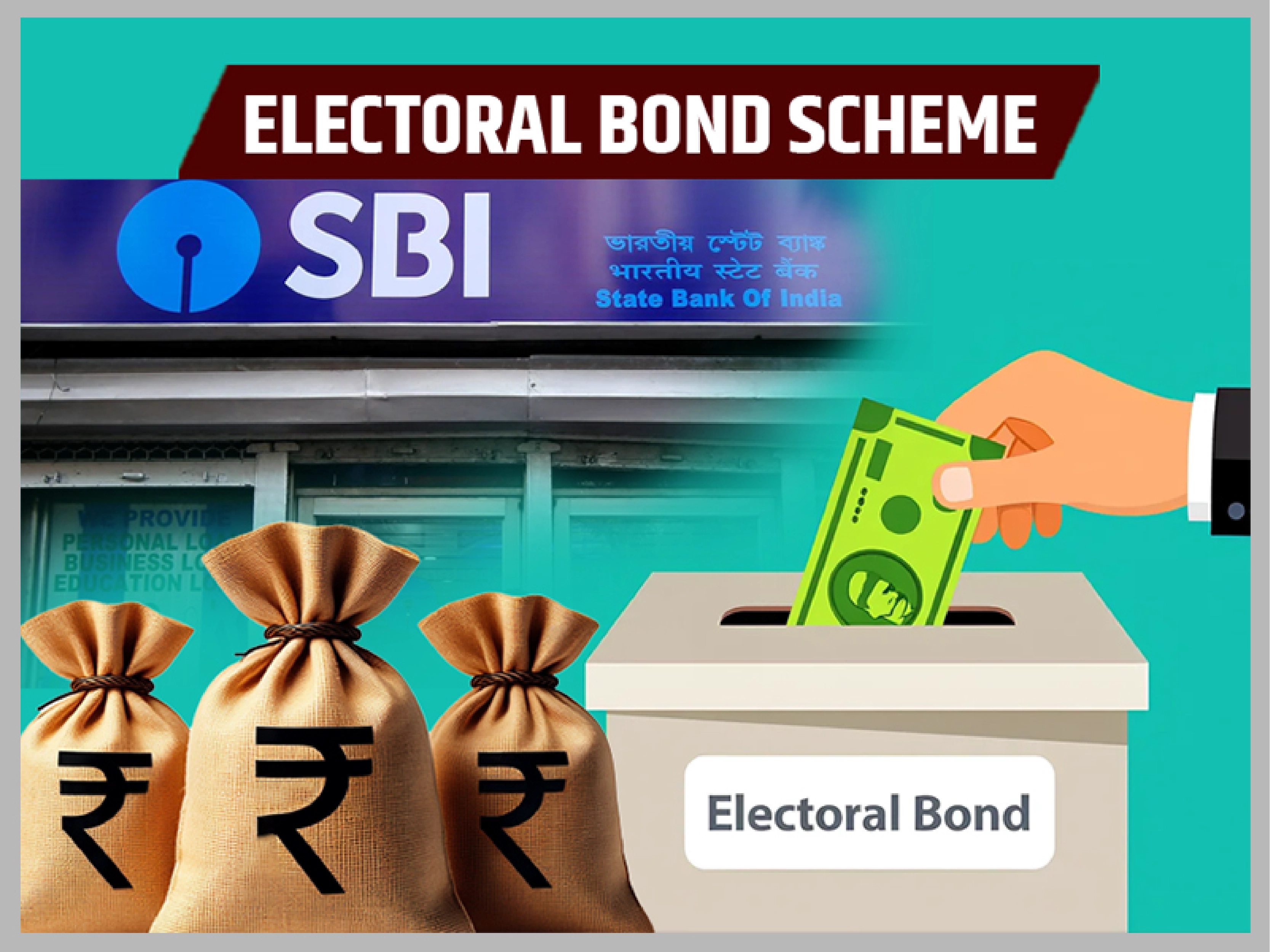

The Electoral Bond Scheme has been a topic of significant controversy in India, recently coming under scrutiny when the Supreme Court declared it unconstitutional for violating voters' right to information. This scheme, introduced in 2018, allows individuals and entities to anonymously donate money to political parties through electoral bonds. However, it has raised concerns regarding transparency, accountability, and its potential for fostering corruption.
One of the primary concerns with the Electoral Bond Scheme is the anonymity it grants to donors. This lack of transparency undermines the democratic process, as voters are unable to know who is financing political parties. The scheme removes the obligation for political parties to report the identity of donors, which deprives voters of crucial information.
The Electoral Bond Scheme allows individuals and corporations to donate large sums of money without revealing the source of funds. This absence of scrutiny from the Income Tax Department has led to fears that it facilitates money laundering, with black money entering the system and being converted into white money.
By eliminating the cap on corporate donations, the Electoral Bond Scheme strengthens the link between politics and corporate houses. It also opens the door for foreign companies to influence Indian politics through their subsidiaries, further complicating the democratic process.
The Electoral Bond Scheme bypasses the Election Commission of India (ECI) and the Reserve Bank of India (RBI), both of which are meant to regulate elections and currency respectively. Additionally, banks have access to sensitive information about donors and beneficiaries, which could be leaked, especially to parties in power.
The Supreme Court’s decision to declare the Electoral Bond Scheme unconstitutional was based on several factors:
The Court found that the Electoral Bond Scheme infringed on the right to information of voters. According to Article 19(1)(a) of the Constitution, voters have the right to know the sources of political donations, as it directly impacts their right to make an informed decision during elections.
The Electoral Bond Scheme has disproportionately benefited the ruling party. For example, in 2022-23, the ruling BJP received 54% of its total income through electoral bonds, a stark contrast to the Congress Party, which received much less. This disparity raises concerns about the potential for a money-politics nexus.
The Court criticized the removal of limits on corporate donations, arguing that it violates the principles of free and fair elections. The Finance Act, 2017, allowed unlimited corporate donations, undermining the integrity of the electoral process.
The Court noted that the Electoral Bond Scheme did not effectively tackle black money. By allowing anonymous donations, it fails to address the issue of illicit funding in elections.
To promote transparency, it is essential to disclose electoral donations above a certain threshold. For instance, in the UK, political parties are required to report donations above a set limit, with donors’ names and addresses published online by the Electoral Commission.
To curb the undue influence of corporations, the government should reintroduce the cap on corporate donations, limiting them to 7.5% of a company’s average net profit over the past three years.
The Electoral Bond Scheme and political party funding should be brought under the Right to Information (RTI) Act, enabling greater public scrutiny and accountability.
The Election Commission of India (ECI) should be given more powers to monitor electoral funding, including the authority to delay or cancel elections if evidence of money power is found.
India could explore alternatives to the Electoral Bond Scheme, such as state funding of elections or a National Electoral Fund, where donors can contribute without indicating support for any particular party.
The Electoral Bond Scheme has raised critical questions about transparency and accountability in political funding. The Supreme Court’s decision to declare it unconstitutional highlights the need for reforms to ensure a fairer, more transparent electoral process. Moving forward, it is crucial to implement stricter regulations on political donations and funding, empowering institutions like the Election Commission of India to maintain the integrity of India’s democratic process.


Refine your answer writing skills and elevate your UPSC preparation with personalized support and expert feedback.
Fill out the form to get started with the program or any other enquiries !

Are you dreaming of becoming an IAS officer? Then, IAShub can be your best guide. It is one of the Best IAS Coaching in Delhi. Many students who want to clear the UPSC exam join IAShub for learning. The institute gives both online and offline classes. Their teachers are experienced and helpful. They easily explain every topic. Students also get notes, tests, and tips to do well in the exam.
IAShub is in Delhi and is trusted by many UPSC students. It offers coaching for every part of the UPSC exam – Prelims, Mains, and Interview. The classes are simple and easy to understand. The teachers are experts and guide students in the right way. IAShub is also known for its helpful notes, test series, and answer-writing practice. IAShub is the best coaching in Delhi and also gives UPSC Online Classes. This helps students from any place in India to learn. The online classes are live and also recorded. So, students can watch them anytime. These classes cover the full UPSC syllabus.
Here are some important services provided by IAShub:
The UPSC Civil Services Exam has three parts:
This exam is tough, but with the right guidance, it becomes easy to manage. Students must study smart and stay regular.
IAShub supports students from the beginning to the end. It gives the right books, tests, and notes. The classes are easy to follow, and the teachers are always ready to help. Students get personal doubt sessions too. The test series and answer checking help students learn where they need to do better. Also, free study materials save time and money.
IAShub also guides students during the final stage – the interview. Experts take mock interviews and give useful tips. This full support makes IAShub one of the best IAS coaching in Delhi.
Join 39,000+ UPSC Aspirants! 🚀
Get Free UPSC/State PSC Study Materials, Daily Current Affairs Question & Exam Updates.
Join Telegram Channel
