
theIAShub
08 Aug, 2025

Key Terms
For Prelims
- Groundwater contamination India
- Central Ground Water Board (CGWB) 2024 report
- Public health emergencySkin lesions and cancers
- Joint pain and skeletal deformities
- Kidney damage and neurological issues
- Regulatory framework strengthening
- Rural drinking water dependence 85%
- Irrigation dependence 65%
- Nitrate contamination (>20% samples)
- Fluoride contamination (>9% samples)
- Arsenic in Punjab, Bihar, Gangetic belt
- Uranium contamination >100 ppb (Punjab, Andhra Pradesh, Rajasthan)
- Iron and heavy metals excess (>13% samples)Sustainable agriculture, organic farming, IPM
- Public awareness on groundwater protection
- Regular monitoring and research
- Community-led groundwater management
Table of Contents

Get an Instant Call Back from Our Expert Mentors!
Context
- India’s worsening groundwater contamination crisis has emerged as a major public health threat, with toxic pollutants linked to chronic illnesses across several states.
About
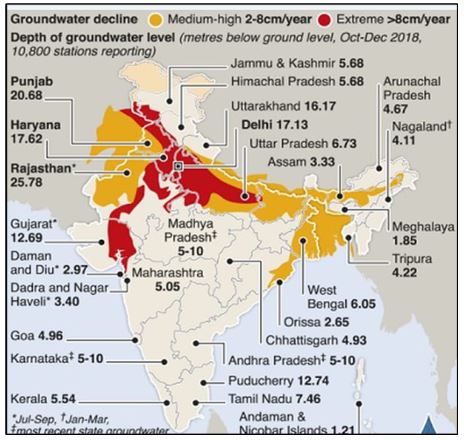
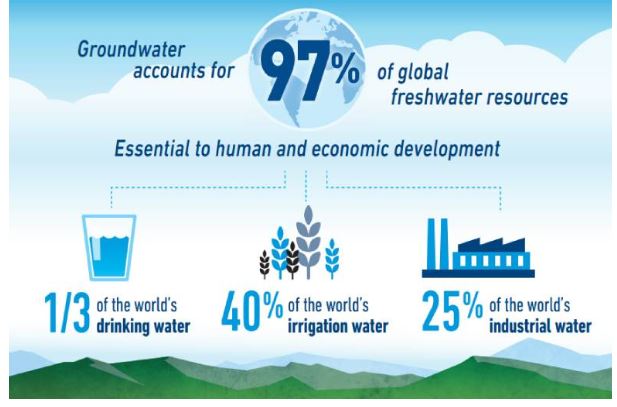
- Groundwater is the lifeline of India, meeting over 85% of rural drinking water and 65% of irrigation needs.
- Once considered pure, it is now increasingly tainted by nitrates, heavy metals, industrial pollutants, and pathogenic microbes.
- The 2024 Annual Groundwater Quality Report by the Central Ground Water Board (CGWB) has revealed alarming contamination levels across the country, underscoring the urgent need for systemic reform.
- This crisis is no longer limited to environmental concerns; it is a nationwide public health emergency.
Scale and Nature of Groundwater Contamination
Groundwater samples from over 440 districts show dangerous levels of contaminants
- Nitrates: Found in more than 20% of samples, mainly due to excessive fertiliser use and septic tank leakage.
- Fluoride: Excess levels in over 9% of samples, causing dental and skeletal fluorosis in states like Rajasthan, Andhra Pradesh, and Telangana.
- Arsenic: Detected at unsafe levels in parts of Punjab, Bihar, and the Gangetic belt, posing severe cancer and neurological risks.
- Uranium: Recorded above 100 ppb in districts of Punjab, Andhra Pradesh, and Rajasthan, linked to phosphate fertilisers and over-extraction.
- Iron and Heavy Metals: Over 13% of samples exceeded safe iron limits; lead, cadmium, and mercury have been traced to industrial discharges..
Causes of Groundwater Contamination
- Industrial Discharges: Rapid industrialisation has led to the unregulated disposal of hazardous waste into water bodies. Industries such as textiles, chemicals, and pharmaceuticals often release toxic substances seeping into groundwater.
- Agricultural Practices: The excessive use of fertilisers and pesticides in agriculture contributes significantly to groundwater contamination. Nutrients like nitrates and phosphates leach into the soil, eventually reaching the water table. Additionally, improper irrigation and over-extraction of water further exacerbate the issue.
- Urbanisation: The rapid growth of urban areas often results in inadequate waste management systems. Sewage and solid waste are frequently dumped untreated, leading to leachate contaminating groundwater.
- Deforestation and Land Use Changes: Deforestation and changes in land use disrupt the soil’s natural filtration processes. This can lead to increased runoff and the subsequent entry of pollutants into groundwater systems.
- Mining Activities: Mining operations can introduce heavy metals and other harmful substances into the environment. When these contaminants reach groundwater sources, they pose serious health risks.
Health Impacts
- Fluorosis: Affecting over 66 million people in 230 districts; leads to joint pain, deformities, and stunted growth in children.
- Arsenicosis: Causes skin lesions, cancers, gangrene, and respiratory illnesses; prevalent in West Bengal, Bihar, and Uttar Pradesh.
- Nitrate Poisoning: Responsible for “blue baby syndrome” in infants; 56% of districts exceed safe nitrate limits.
- Uranium Toxicity: Causes chronic organ damage and kidney disorders; children are particularly at risk.
- Waterborne Diseases: Outbreaks of cholera, dysentery, and hepatitis due to sewage infiltration into aquifers.
Solution to the Crisis
- Regulatory Framework: Strengthening laws and regulations related to industrial discharges, agricultural practices, and waste management is essential. Implementing stricter penalties for non-compliance can deter polluters.
- Sustainable Agricultural Practices: Promoting organic farming and integrated pest management can reduce the reliance on harmful chemicals. Training farmers in sustainable practices can help minimise the leaching of pollutants into groundwater.
- Public Awareness Campaigns: It is vital to educate communities about the importance of groundwater conservation and contamination prevention. Awareness programs can encourage responsible water use and pollution prevention practices.
- Research and Monitoring: Investing in research to understand the extent and nature of groundwater contamination can inform effective policy-making. Regular monitoring of groundwater quality can help in the early detection of contaminants and prompt remediation actions.
- Community Involvement: Engaging local communities in groundwater management can enhance the effectiveness of conservation efforts. Community-led initiatives can foster a sense of ownership and responsibility towards protecting water resources.
PYQs
Mains
Q. PRELIMS QUESTION 2013
Which of the following can be a source of groundwater contamination?
- Pesticide and fertiliser application in agriculture
- Industrial effluents
- Urban sewage
- Leachate from solid waste
A. 1, 2 and 3 only
B. 2 and 4 only
C. 1, 3 and 4 only
D. 1, 2, 3 and 4
Ans:
Q. MAINS GS PAPER 2, 2019
Discuss the challenges of ensuring safe drinking water in urban and rural areas of India and suggest suitable policy measures.
Ans:

2026-27 UPSC Mains English QEP Power Pages
View DetailsSubmit Your Details to Learn More



