
theIAShub
04 Aug, 2025

Table of Contents

Get an Instant Call Back from Our Expert Mentors!
Context
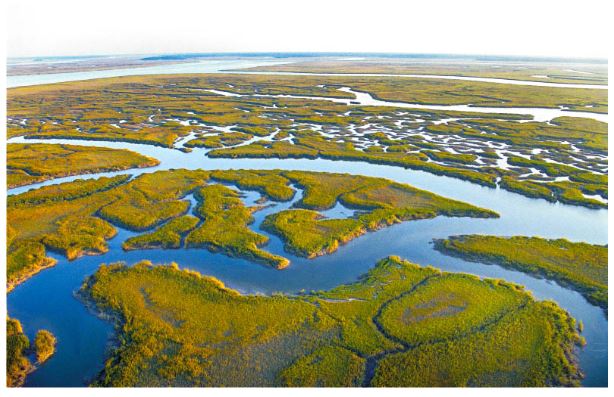
- The 15th Meeting of the Ramsar Convention (COP15), held in Victoria Falls, Zimbabwe, concluded with new resolutions on wetland restoration, protection of migratory birds and wetland species, and equitable governance.
Key Highlights and Outcomes of the Meeting
- Ramsar COP15 adopted 13 resolutions, presenting a global resolve to protect and restore wetlands.
- Some of the important resolutions include those on wetland restoration, protection of migratory birds through flyway conservation and the Global Waterbird Estimates Partnership among others.
- Parties also adopted the 5th Strategic Plan (2025-2034) with four goals and 18 targets. These goals are:
- Goal 1: Address and reverse wetland loss and degradation.
- Goal 2: Achieve the wise use of Wetlands through policy planning and inclusive participation.
- Goal 3: Conserve and Manage Wetlands of International Importance effectively.
- Goal 4: Enhance implementation of the Convention through scientific cooperation, capacity building, and raising money.
Other Outcomes
- A key outcome was the Victoria Falls Declaration, emphasizing political will, resource mobilisation, and investment in sustainable wetland management.
- Its Highlights include commitments to restore degraded freshwater ecosystems, protect migratory birds, and adopt clearer criteria for designating Wetlands of International Importance.
- A new strategic plan with four goals and 18 targets was approved, though a major breakthrough in long-term financing was not achieved.
- The core budget was increased by 4.1% to CHF 15.5 million for 2025–2027.
- Additional resolutions addressed equitable governance, urban wetlands, traditional knowledge, and youth engagement.
India’s Position
- India's resolution on "Promoting Sustainable Lifestyles for the Wise Use of Wetlands" was successfully adopted on receiving support from all 172 countries at Ramsar COP15.
- This resolution aligns with the ethos of India's Mission LiFE (Lifestyle for Environment) initiative, which was introduced by the Indian Prime Minister at COP26 in Glasgow in 2021. Mission LiFE promotes a lifestyle that is synchronous with nature and does not harm it.
About Ramsar Convention
- The Ramsar Convention on Wetlands (1971) is the only global environmental treaty dedicated to wetlands. Initially focused on migratory waterfowl habitats, it now covers all wetland types, recognizing their role in biodiversity, climate regulation, and human well-being.
Global Reach and Impact
- 2,544 sites covering 257 million hectares worldwide
- Core Mission: To ensure the conservation and wise use of wetlands through local, national, and international action
- Evolution of Wise Use: Now applies to all wetlands within a country, not just Ramsar Sites, aligning the treaty with sustainable development goals
About Wetlands
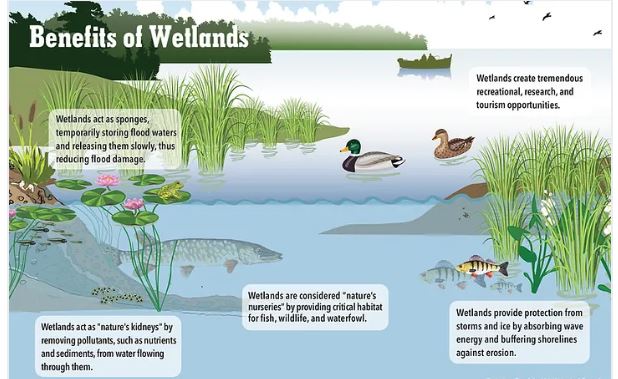
- Wetlands are areas where water is the primary factor controlling the environment and the associated plant and animal life. They occur where the water table is at or near the surface of the land, or where the land is covered by water.
- – Wetlands take many forms including rivers, marshes, bogs, mangroves, mudflats, ponds, swamps, billabongs, lagoons, lakes, and floodplains.
- Most large wetland areas often include a combination of different types of freshwater systems.
- Convention on Wetlands
- It is the intergovernmental treaty that provides the framework for the conservation and wise use of wetlands and their resources.
- It was adopted in the Iranian city of Ramsar in 1971 and came into force in 1975.
- Since then, almost 90% of UN member states, from all the world’s geographic regions, have acceded to become “Contracting Parties”
- India is one of the Contracting Parties to Ramsar Convention, signed in Ramsar, Iran, in 1971. India became a signatory to the convention on 1st February 1982.
Wetlands in India
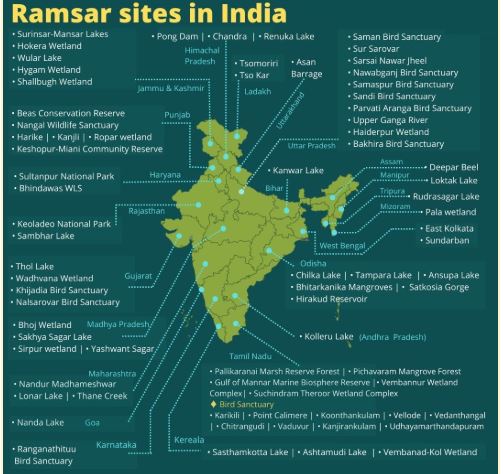
- In June 2025, two more wetlands from India were added to the list of Ramsar sites, taking the number of such sites in the country to 91.
- 1. The latest to join the list of Ramsar sites in India are Khichan in Phalodi and Menar in Udaipur, both in Rajasthan.
- – India is home to a rich diversity of wetlands, many of which hold cultural and religious significance.
- 1. These wetlands are protected under various national laws, including the Indian Forest Act (1927), the Forest (Conservation) Act (1980), and the Indian Wildlife (Protection) Act (1972).

2026-27 UPSC Mains English QEP Power Pages
View DetailsSubmit Your Details to Learn More



