India’s Role in a Shifting Geopolitical Order: Challenges and Strategic Path Ahead

Amid a fragmented global order marked by U.S. unilateralism, EU protectionism, and China's regional dominance, India faces trust deficits with partners. A proactive, multi-aligned foreign policy is crucial to secure its strategic and economic interests.

editorial-analysis
THEIASHUB
Get an Instant Call Back from Our Expert Mentors Now!
+91

Context

  • As global geopolitics undergoes a major reset marked by strategic realignments, trade protectionism, and regional instability, India finds itself at a crossroads. To sustain its economic and technological rise, the editorial argues that India must adopt proactive, assertive geopolitical stance aligned with its national interests. 

BACKGROUND

  • The world is witnessing geopolitical flux: U.S. unilateralism, EU protectionism, and China’s regional activism.
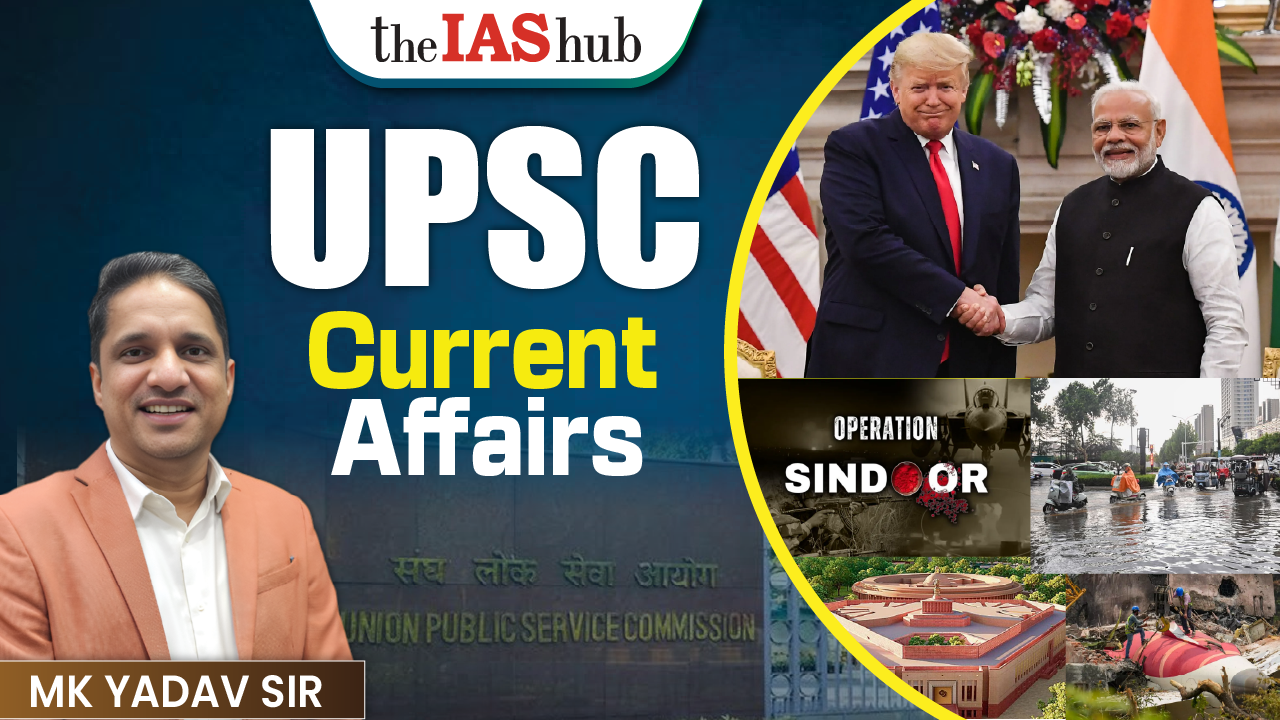
  • India’s Operation Sindoor and retaliatory actions after the Pahalgam terror attack exposed the lukewarm response of India’s strategic partners
  • Western double standards on counter-terrorism, trade, and energy security are becoming evident. 
  • India’s historically cautious stance on global conflicts is now being tested. 

Challenges Highlighted

  • Erosion of Trust with Strategic Partners: The U.S. downplayed India’s narrative on cross-border terrorism; Trump took credit for ceasefire efforts post-Operation Sindoor. EU’s sanctions on Indian refineries and carbon/digital trade barriers continue despite its own Russian energy imports. 
  • Unpredictable U.S. Policy Actions: Imposition of 25% tariffs on the day of the NISAR satellite launch. Threats over Russian oil imports, despite the U.S. itself trading in Russian uranium, fertilizers, and palladium
  • EU’s Hypocrisy and India’s Trade Deadlock: EU imports Russian LNG but criticizes India. Carbon border tax and digital barriers stall progress on the India-EU Broad-based Trade and Investment Agreement.
  • China’s Expanding Influence in South Asia: Trilateral groupings proposed with Pakistan and Bangladesh. Strategic investments near India’s Siliguri Corridor (e.g., Lalmonirhat airbase). Hydrological threats via a massive dam on the Brahmaputra (Yarlung Zangbo).
  • India’s Passive Foreign Policy Posture: Silence on Israel-Gaza, Israel-Iran conflicts, and American bombings. Neutrality on Ukraine interpreted as lack of geopolitical engagement. Marginal presence may undermine strategic autonomy and credibility.

Way Forward

  • Geopolitical Assertiveness: India must abandon passive neutrality and actively shape global conflict narratives where its interests are at stake
  • Realignment of Strategic Partnerships: Reduce dependency on any one bloc (U.S./EU/China); pursue multi-alignment, not non-alignment.
  • Trade and Technology Diplomacy: Conclude India-U.S. trade deal to prevent further erosion of trust and counterbalance Trump-era protectionism.
  •  Leverage Multilateral Platforms: Maximize presence in BRICS, SCO, East Asian forums to counteract exclusion from Western-dominated trade deals.
  • Recalibrate Neighborhood Engagement: Address China’s assertiveness by deepening ties with Bangladesh, Sri Lanka, and Myanmar through infrastructure, energy and security diplomacy. 
  • Proactive Energy & Supply Chain Security: Diversify critical imports (rare earths, APIs, tech components) to counter Chinese economic coercion.

Mains:

Q. MAINS PRACTICE QUESTION In a fragmenting global order, India’s geopolitical posture must evolve from cautious neutrality to strategic assertion. Examine this statement in the light of recent developments in India’s relations with the U.S., EU, China, and its immediate neighbourhood. (15 marks)

Ans:



UPSC QEP 2026 Batch 5 - English
Buy now View Details
Submit Your Details to Learn More
I agree to give my consent to receive updates through SMS/Email & WhatsApp*.

NEEV GS + CSAT Foundation 2026/27
Buy now View Details


Join theIAShub’s Mains Answer Writing Program

Refine your answer writing skills and elevate your UPSC preparation with personalized support and expert feedback.

Fill out the form to get started with the program or any other enquiries !

I agree to give my consent to receive updates through SMS/Email & WhatsApp*.

Best IAS Coaching In Delhi, UPSC Online & Offline Classes by IAShub

Are you dreaming of becoming an IAS officer? Then, IAShub can be your best guide. It is one of the Best IAS Coaching in Delhi. Many students who want to clear the UPSC exam join IAShub for learning. The institute gives both online and offline classes. Their teachers are experienced and helpful. They easily explain every topic. Students also get notes, tests, and tips to do well in the exam.

UPSC Online Classes by IAShub

IAShub is in Delhi and is trusted by many UPSC students. It offers coaching for every part of the UPSC exam – Prelims, Mains, and Interview. The classes are simple and easy to understand. The teachers are experts and guide students in the right way. IAShub is also known for its helpful notes, test series, and answer-writing practice. IAShub is the best coaching in Delhi and also gives UPSC Online Classes. This helps students from any place in India to learn. The online classes are live and also recorded. So, students can watch them anytime. These classes cover the full UPSC syllabus.

Key Offerings Provided by IAShub

Here are some important services provided by IAShub:

  • UPSC Prelims: IAShub teaches for Prelims with a focus on basics. It also gives daily current affairs and monthly magazines.
  • Classroom Courses: IAShub has classroom learning for students in Delhi. The environment is good and peaceful for study.
  • Live Classes: Students who live far can join live UPSC online classes. These classes are just like real classes.
  • QEP for Mains: The Quality Enrichment Program (QEP) is special for Mains preparation. It helps students write better and faster.
  • Answer Writing: Regular answer writing practice is given. Teachers also check answers and give tips to improve.
  • Free Resource: IAShub gives free notes by toppers and helpful Main Booster material.
  • Test Series: Test series are available for every subject. These help students know their weak points and improve.
  • Interview Guidance Session: IAShub also gives interview practice sessions with experts. These help students feel confident.

UPSC Exam Overview

The UPSC Civil Services Exam has three parts:

  • Prelims: It has two papers: General Studies and CSAT.
  • Mains: It has nine papers, including essays and optional subjects.
  • Interview: It tests the personality and confidence of the student.

This exam is tough, but with the right guidance, it becomes easy to manage. Students must study smart and stay regular.

How IAShub Helps in the UPSC Journey

IAShub supports students from the beginning to the end. It gives the right books, tests, and notes. The classes are easy to follow, and the teachers are always ready to help. Students get personal doubt sessions too. The test series and answer checking help students learn where they need to do better. Also, free study materials save time and money.
IAShub also guides students during the final stage – the interview. Experts take mock interviews and give useful tips. This full support makes IAShub one of the best IAS coaching in Delhi.

Best IAS Coaching In Delhi FAQs

Yes, IAShub offers live and recorded online classes. Students can attend from any part of India.

Classes are available in both English and Hindi, so students can choose the language they are comfortable with.

The classroom centre is located in Delhi. Students can visit and join offline batches there.

IAShub gives interview guidance sessions to help students prepare for the final round of UPSC.